The Story
Why it exists.
The beginning
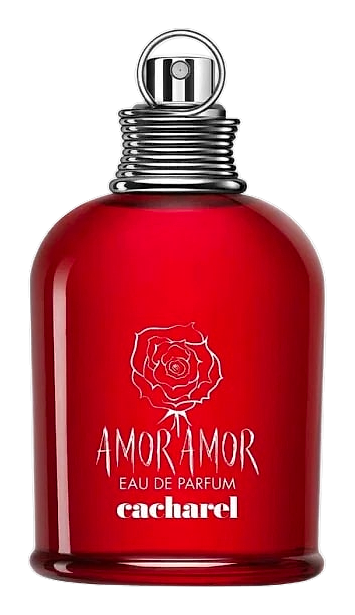
Amor Amor arrived in 2003, a love letter from a house that had always believed romance should feel effortless. Created by Laurent Bruyere and Dominique Ropion, the perfume was designed for young women chasing adventure, not ceremony. The name itself, doubled, repeats the word like a schoolyard whisper. The juice inside matches. Pink grapefruit and mandarin open with the brightness of an open window, a burst of cold fruit that hits the skin like sunlight through glass. Rose and jasmine flower in the middle like something growing in real time, sweet and slightly creamy, almost too alive to be perfume. Apricot threads through the florals, giving the heart a fleshy, sun-warmed softness that keeps it from turning stiff or sentimental.
What makes Amor Amor distinctive is its deliberate sweetness without weight. Together, Laurent Bruyere and Dominique Ropion built a floral fruity nectar where citrus, fruit, and white florals all stay in conversation rather than collapsing into a single sugary mass. The cassia in the opening adds a whisper of spice, the kind of detail that keeps the top from feeling like a generic fruit cocktail. In the heart, apricot lends a fleshy softness that keeps the rose and jasmine from feeling bridal or austere, lending them a softness more like skin than like a corsage.
The evolution
The first ten minutes are a riot of citrus and cassis. Blackcurrant, grapefruit, mandarin, orange, and a twist of bergamot all arrive at once, bright and slightly sharp, like the first sip of something cold. Cassia threads a quiet warmth underneath, barely noticeable but grounding, a small anchor in all that brightness. By the thirty-minute mark, the citrus softens and the heart begins. Rose and jasmine take the lead, but apricot keeps them from feeling too serious. Lily of the valley adds a green, almost dewy edge. The whole middle phase reads like a sunlit garden in fast-forward. After about two hours, the base takes over. Vanilla and tonka bean settle in together, creamy and slightly powdery, while white musk and amber keep the temperature warm. Cedarwood grounds everything with a faint woodiness that prevents the sweetness from going syrupy.
Cultural impact
Amor Amor arrived in 2003 and quickly became a familiar companion for the years when perfume still felt like an event. It wears close enough for daily life but bright enough to feel like a statement, which is why it became a go-to for first dates, first jobs, and the stretch of time when everything still feels new. Today it remains wearable and optimistic, the kind of bottle that gets pulled from a vanity on a random Tuesday because the weather asks for something sweet. Its appeal has never depended on trend cycles or reinvention. It simply smells like good news in liquid form, and that quality ages well.