The Story
Why it exists.
The beginning
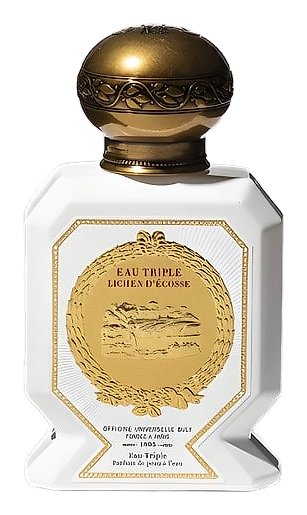
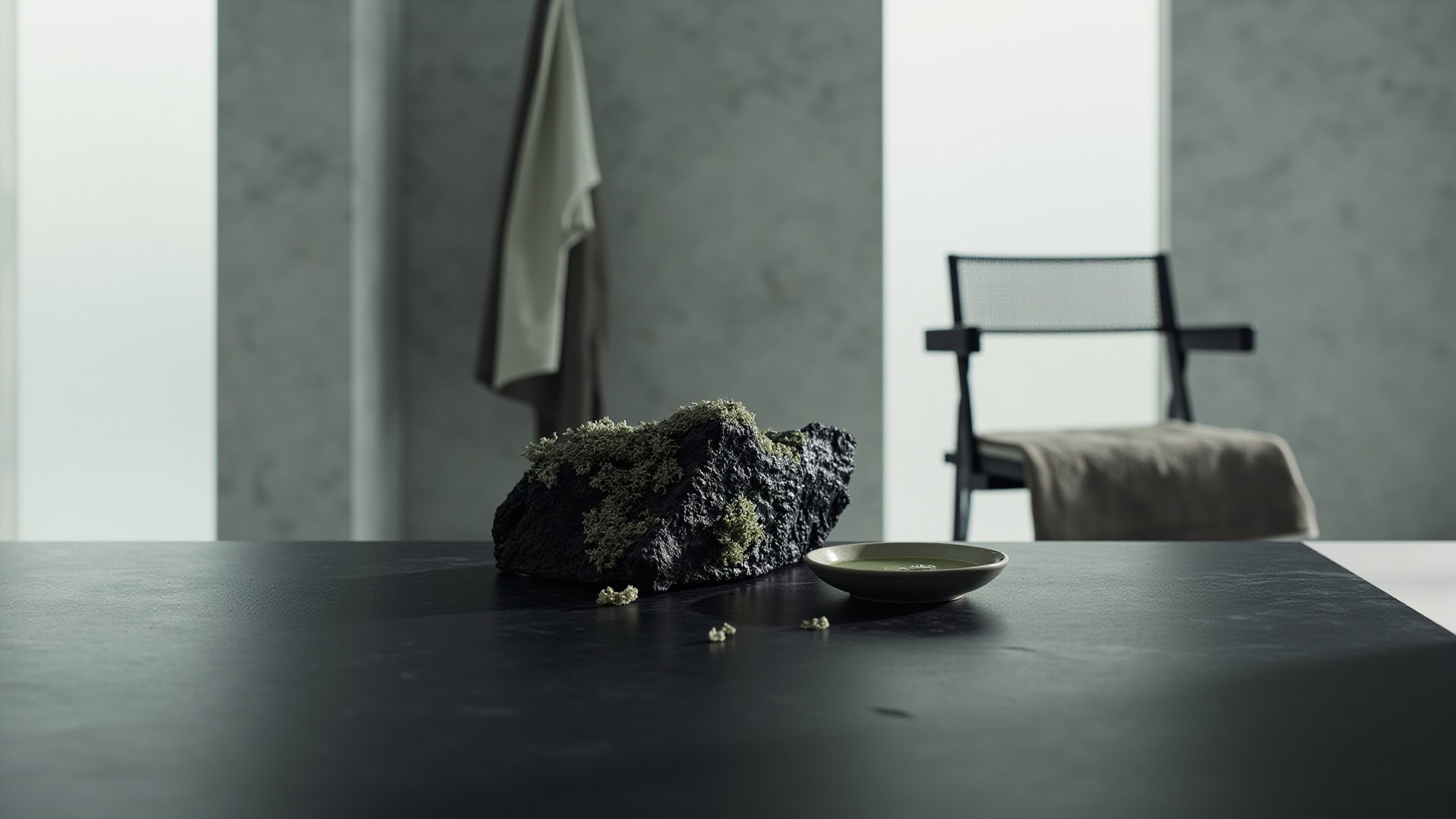
Eau Triple Lichen d'Ecosse draws its name from Scotland's high landscape, the stones of the Highlands furred with lichen and the air carrying sea salt from the Hebrides. Buly 1803, the Parisian house revived in 2014 by Ramdane Touhami and Victoire de Taillac from a lineage tracing to Jean-Vincent Bully's 1803 workshop on rue Saint-Honoré, builds its fragrances as geographic portraits. Names describe places and materials, not moods. Lichen d'Ecosse is a portrait of cold rock, salt wind, and the green that grows where nothing should.
What's unusual here is the format itself. The Eau Triple concentration is water-based and alcohol-free, which changes everything about how the composition sits on skin. There's no alcohol lift to fling the top notes forward, so the moss and galbanum arrive soft, almost as mineral impressions rather than sharp green statements. The lichen, the wet stone, the rain accord, they register as atmosphere instead of perfume. It's a quieter architecture than most modern fragrances attempt.
The evolution
Born from the windswept moors of Scotland, Eau Triple Lichen d'Ecosse captures the quiet poetry of stone, mist, and slow-growing flora. The scent opens with the crisp, mineral coolness of damp lichen clinging to ancient basalt, then warms into a brooding heart of oakmoss, vetiver, and smoked tea. Hours into the wear, a soft, dry ambergris accord rises like sea fog retreating from the shore, leaving a hushed, mineral afterglow on skin.
Cultural impact
Wearers reach for Lichen d'Ecosse when they want green without performance anxiety. It sits in the company of classic chypres and modern mineral fragrances, the kind of scent that rewards proximity over projection. The water-based format makes it a quiet statement, closer to an apothecary preparation than a modern eau de parfum. People who love it tend to layer it with the matching body oil to push the 3-4 hour longevity further.