The Story
Why it exists.
The beginning
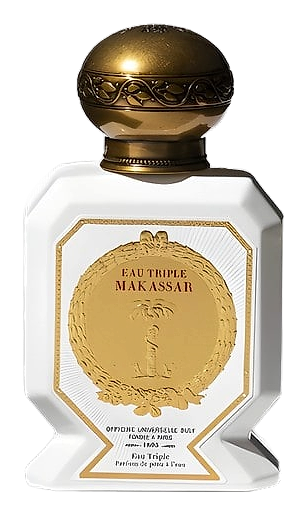
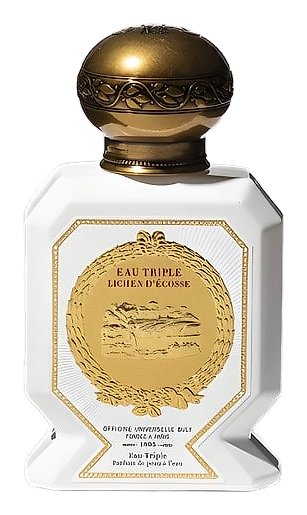
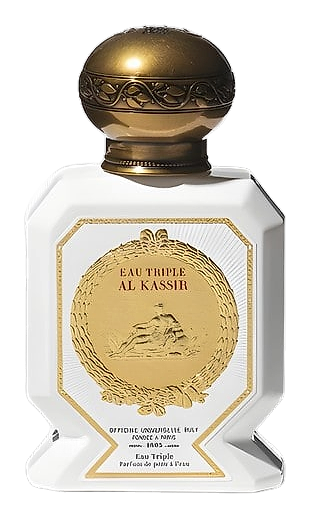
Al Kassir takes its name from the Arabic word for merchant, the figure who carried precious cargo along ancient trade routes, threading together civilizations through scent. The fragrance was conceived as a olfactory map: a tangled web of fragrances at the confines of cultures, where sandalwood from the east met spices from the south and floral notes from Mediterranean gardens. Buly 1803 released it in 2014 as part of the Eau Triple collection, each scent named for its defining material or geographic origin rather than an emotional concept. Al Kassir is water-based and alcohol-free, a format the house treats as historical reconstruction, the kind of fragrance that might have been dispensed from an apothecary shelf a century ago, when perfume was medicine and luxury both.
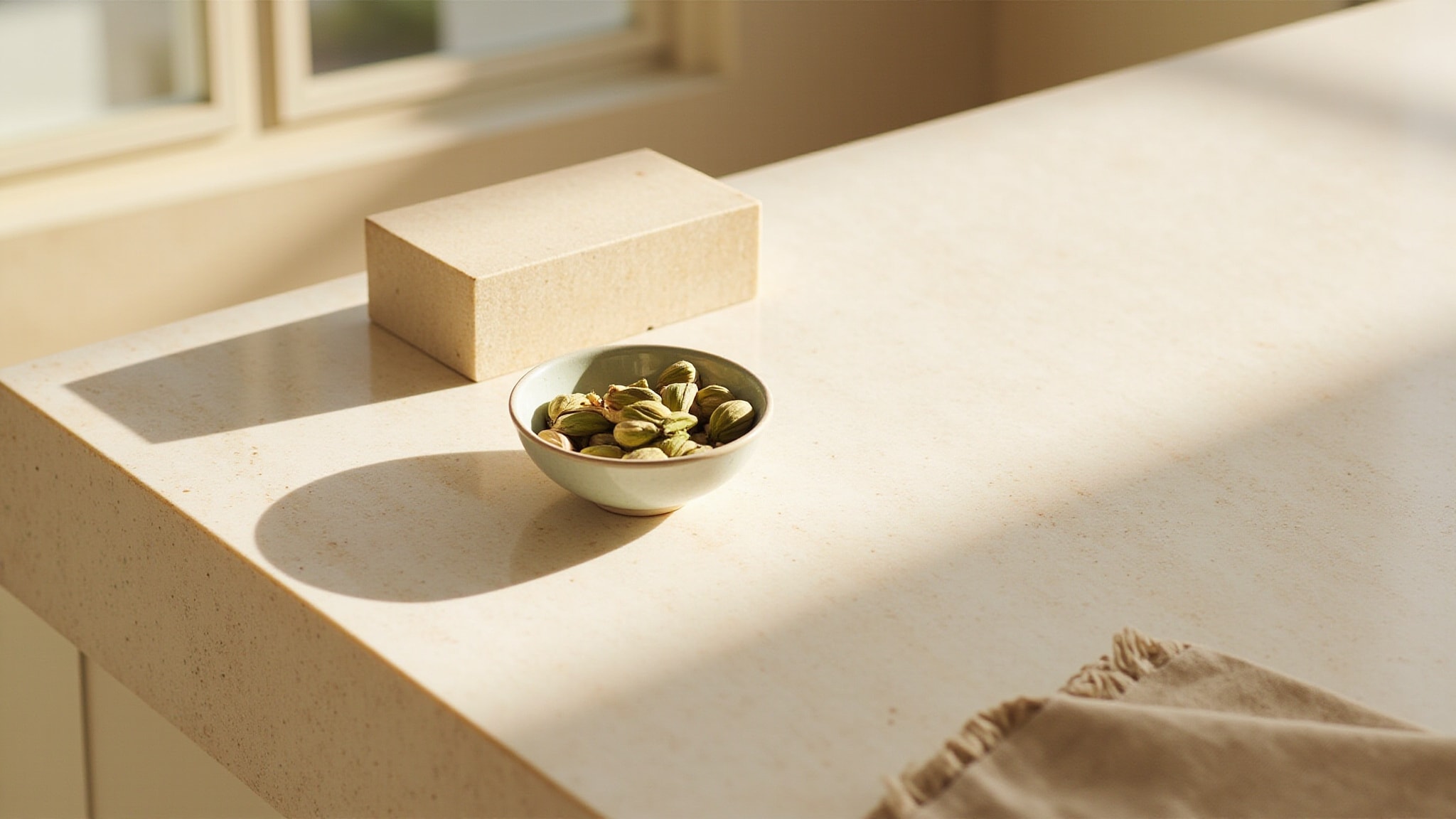
What makes Al Kassir unusual is its structure. Most fragrances announce themselves with a bright, attention-grabbing top and build toward depth. Here, the opening doesn't assault, it invites. Cardamom's silvery spice arrives first, clean and almost mineral, before sandalwood's creaminess begins to dominate. The geranium keeps everything grounded, its fresh-rose quality preventing the composition from becoming heavy. But the real interest is how the water base changes the game: without alcohol's quick evaporation, the scent evolves slowly, almost imperceptibly, like heat building under a silk veil rather than a fire igniting.
The evolution
The opening is cardamom first, that bright, almost mentholated spice that reads as clean rather than hot. Geranium arrives within minutes, adding a green-rose freshness that tempers the warmth. Then the sandalwood begins to show itself, not as a sudden reveal but as a slow accumulation, like steam building behind glass. By the heart, the three pillars, sandalwood, cardamom, geranium, are in conversation, each supporting the others. The benzoin and labdanum add a subtle resinous warmth underneath. The drydown is where this fragrance earns its name: the sandalwood becomes a warm, intimate presence that stays close to the skin for hours. Patchouli adds an earthy counterpoint that keeps the sweetness honest. What surprises is the staying power on fabric, the milky residue in the bottle apparently carries onto clothing, lingering into the next day.
Cultural impact
Buly 1803 occupies a unique position in modern perfumery as both a historical reconstruction and a living craft practice. The house traces to Jean-Vincent Buly, a 19th-century Parisian pharmacist who pioneered individualized scent creation long before niche fragrance existed as a category. After lying dormant for over a century, the brand was revived in 2014 by Ramdane Touhami and Victoire de Taillac, who restored original recipes using period-appropriate techniques including cold-process maceration and hand-blending. Al Kassir exemplifies their philosophy: a fragrance that rejects the commercial fragrance industry's emphasis on immediate impact and instead asks the wearer to engage slowly.