The Story
Why it exists.
The beginning
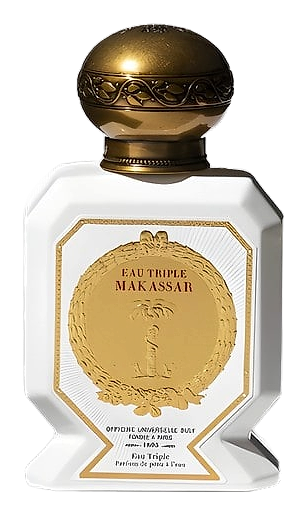
Makassar takes its name from the port city on the Indonesian island of Sulawesi, the gateway to forests thick with lianas, python country, and trees that bleed red sap when cut. The 2014 release draws from the brand's documented approach of naming compositions after ingredients and origins rather than emotional promises. Here, the jungle and the heat converge in liquid form, where hot winds carry powder from distant dunes and settle it over the canopy at sunset. Resinous woods and warm tobacco anchor the composition, while mineral dust and smoky incense lift into the air like the last light filtering through leaves. This is a fragrance that captures a place rather than an emotion, a geographic specificity rendered through material.
Water-based and alcohol-free, the Eau Triple format offers a different approach to scent development. The opening arrives soft and warm, almost sticky, the way resin feels on skin. The powder note, contributing iris and a mineral warmth, doesn't compete with the tobacco and wood. It surrounds them. This slower development means the fragrance rewards patience. What might read as subdued in the first spray reveals itself over hours, the way a forest reveals its layers only as your eyes adjust to the dark.
The evolution
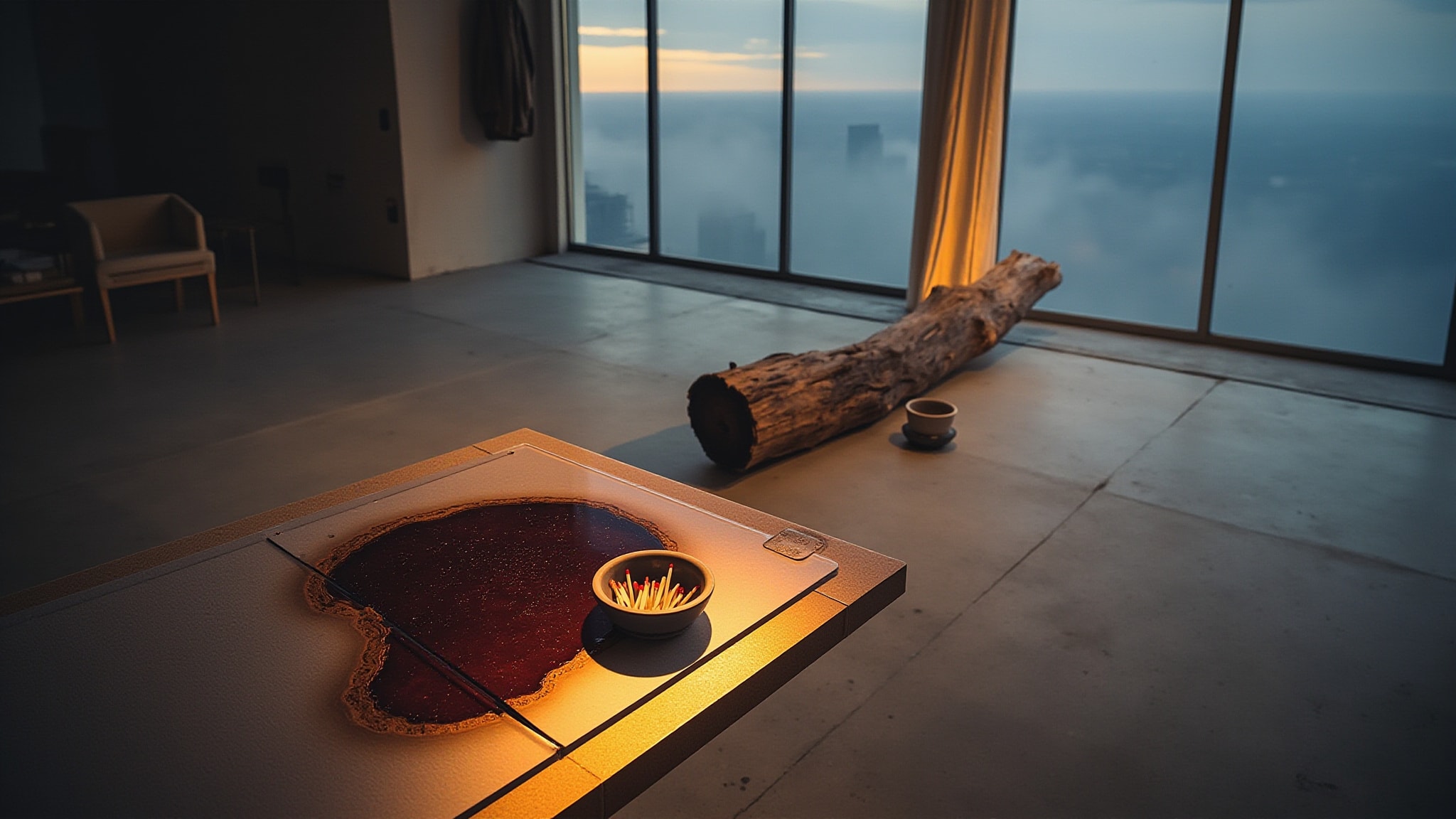
The first part of the wear belongs to the wood resin and tobacco, amber warming the opening like late afternoon light through a canopy. A parang just cut through the trunk, red sap pooling, the forest floor exhaling. Then the powder arrives. Incense deepens. Sand surfaces, mineral and warm, as if the hot winds have shifted. The haze settles blue over everything: tobacco smoke, burned incense, the last of the daylight. The drydown brings cedar forward, familiar but quieter. The powder lingers on skin long after the rest has settled, warm and intimate. As the hours pass, the resinous base fades into a soft embrace, leaving traces of tobacco and cedar on fabric.
Cultural impact
The tobacco-Sichuan pepper pairing draws parallels to Amouage Journey Man, though Makassar's powder-forward drydown sets it apart. The powder-to-smoke arc offers something distinctive in the woody-tobacco space. Wearers who prioritize geographic specificity find resonance here, where the composition maps a specific landscape rather than an abstract emotion. The water-based format appeals to collectors interested in historical perfume formats and their modern interpretation.