Wood Resin
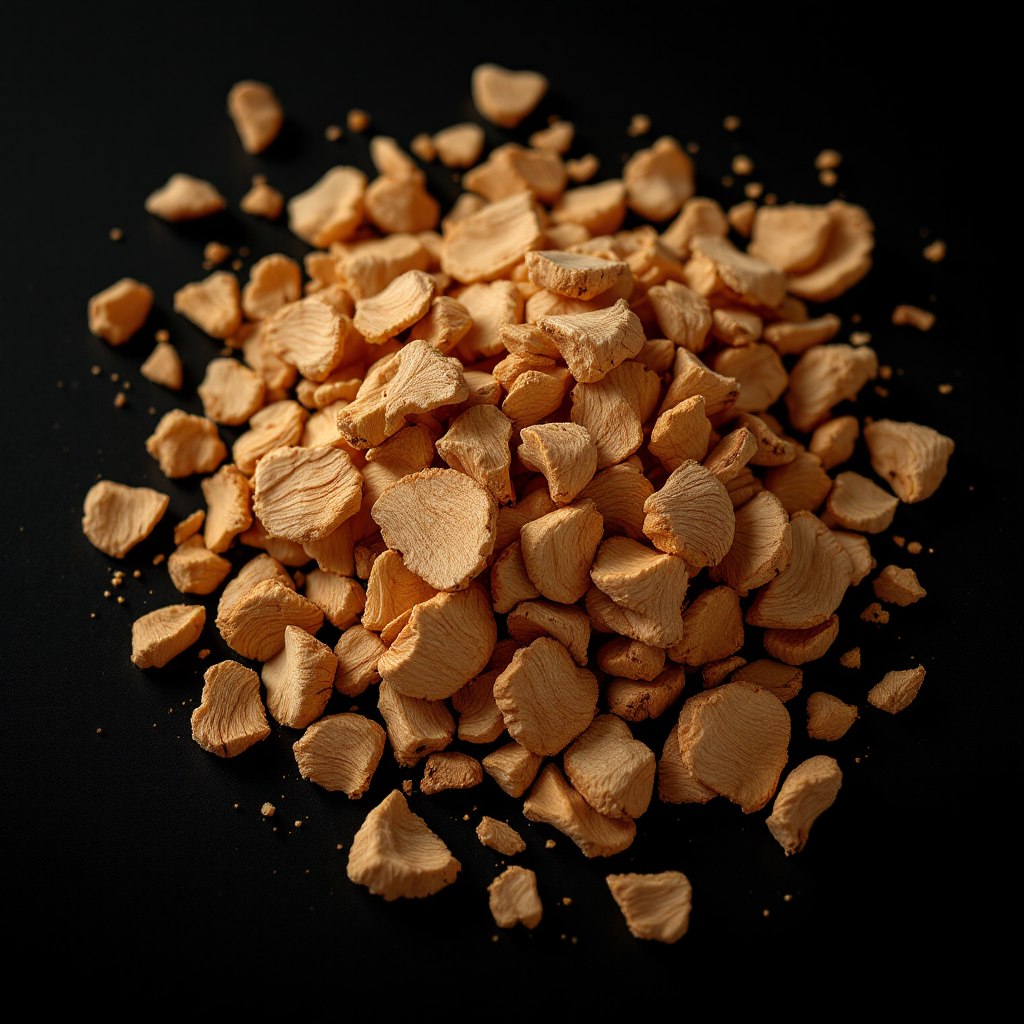
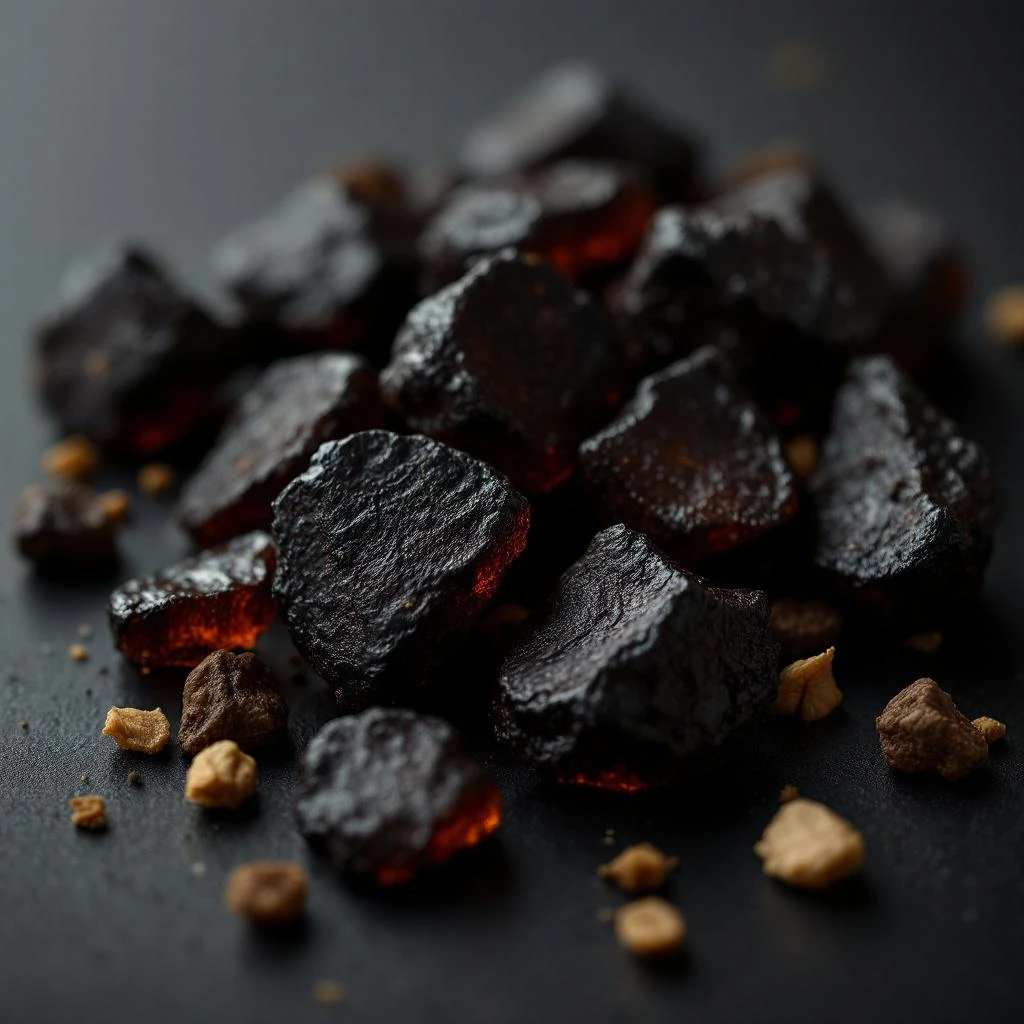
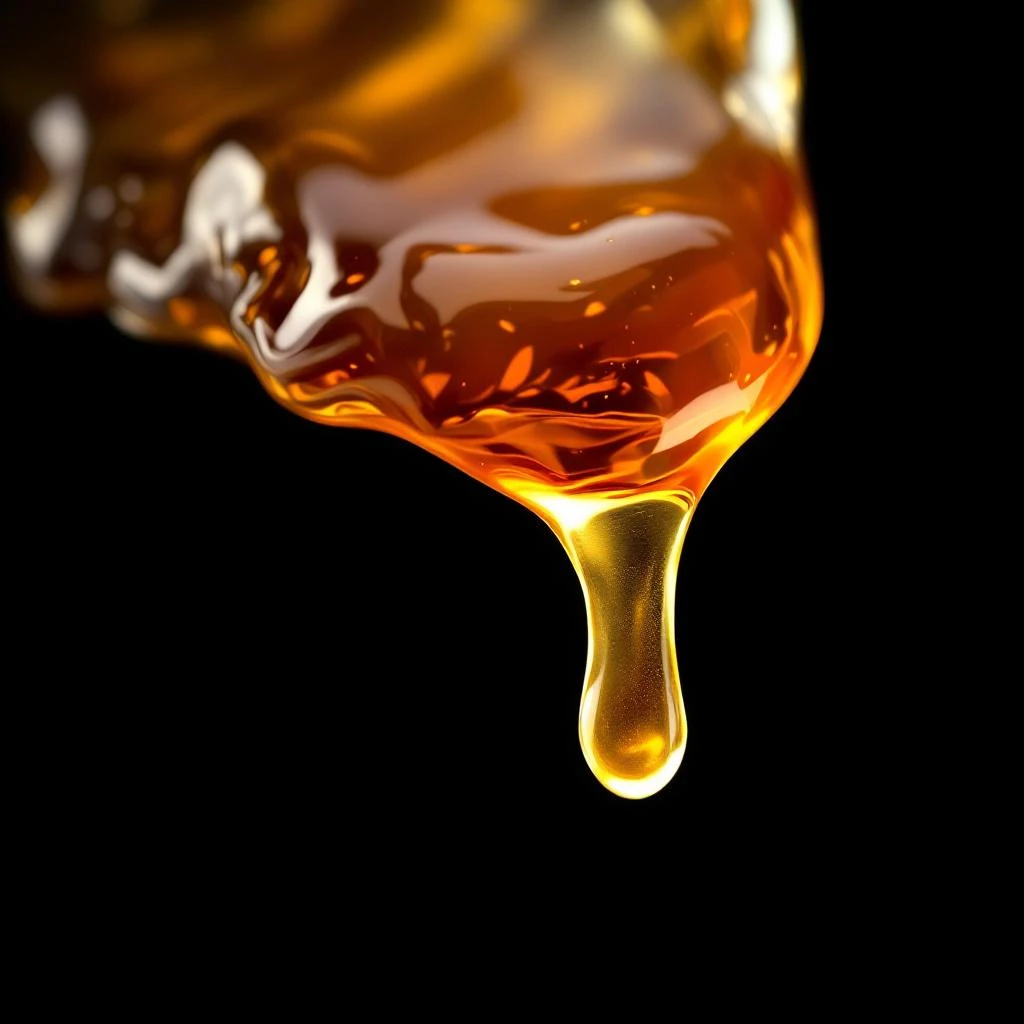
Wood resin captures the deep, amber glow of ancient trees, delivering a rich, balsamic core that anchors modern fragrances. Its viscous texture and long‑lasting scent profile make it a prized fixative in perfumery, bridging past and present.
Character
How it smells
Amber depth from the heart of the forest.
A single kilogram of agarwood yields roughly one milliliter of precious oud resin, making it one of the most expensive natural perfume ingredients.





Origin
India
Ancient Mesopotamians burned resin from trees to honor deities, creating the first recorded perfume around 4000 BC. Archaeologists have uncovered incense burners stamped with frankincense and myrrh residues in royal tombs, confirming their ritual importance. By the first millennium AD, trade caravans carried agarwood from the Indian subcontinent to the Arabian Peninsula, where it earned the name “oud” and fetched high tribute.
Medieval European alchemists experimented with powdered resin to mask unpleasant odors in churches and courts. The 19th‑century rise of modern perfumery in Paris introduced refined extraction techniques, allowing perfumers to isolate resinous notes and blend them with emerging synthetic aromatics. Today, wood resin remains a bridge between heritage and innovation, valued for its ability to anchor volatile top notes and extend fragrance longevity.
Its story reflects centuries of cultural exchange, botanical curiosity, and the human desire to capture the scent of the forest.
Wears it best
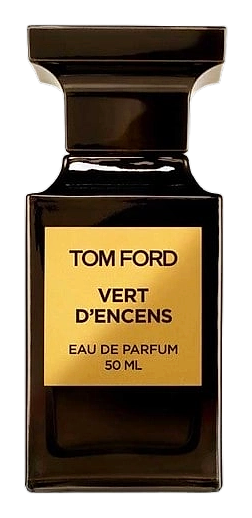
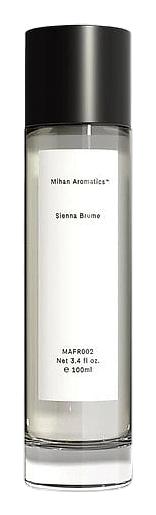
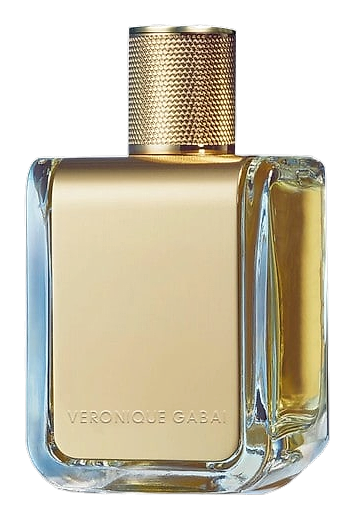
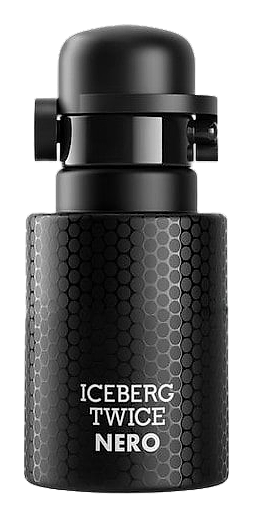
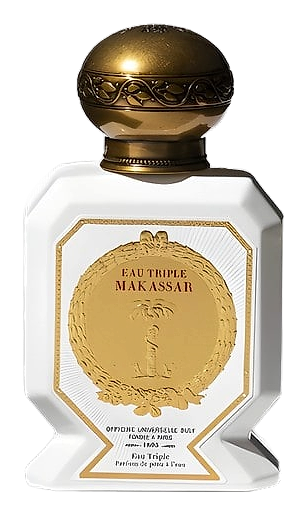
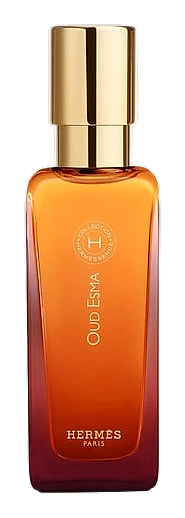
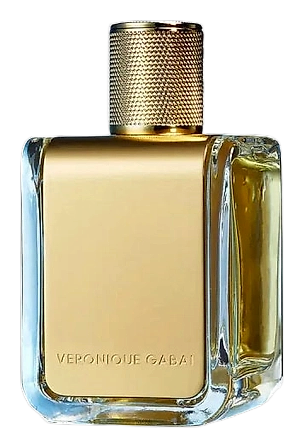
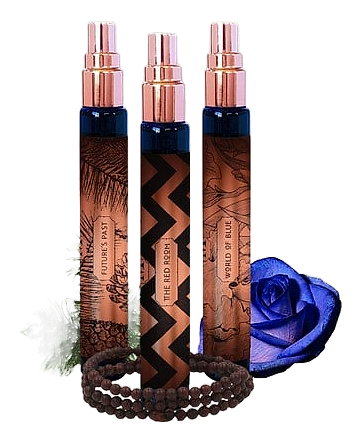
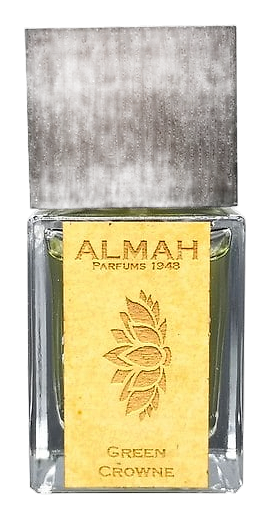
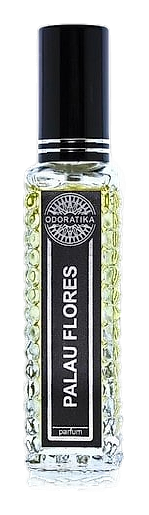
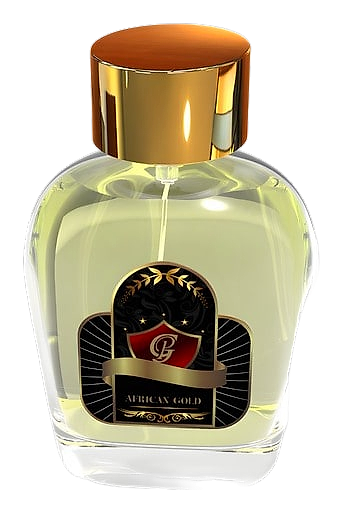
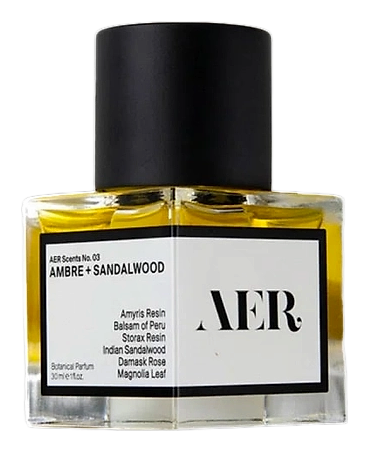
Fragrances featuring Wood Resin
Brands
Brands known for Wood Resin
Good to know
Questions, answered
The essentials on Wood Resin in perfumery: how it smells, where it comes from, and how it behaves on skin.
What role does wood resin play in a perfume composition?
Wood resin acts as a fixative and base note, extending scent longevity and adding depth. A 2019 study measured a 30 % increase in evaporation time when 5 % agarwood resin blended into a citrus accord. Perfumers rely on this property to keep volatile accords audible throughout the day.
How is wood resin extracted from the source tree?
Extractors use supercritical CO₂, steam distillation, or ethanol to pull aromatic compounds from dried heartwood. For agarwood, a 2021 industry report recorded a yield of 0.1 % resin by weight using CO₂ at 300 bar. The process runs for 8 hours, allowing the solvent to dissolve both volatile oils and heavier sesquiterpenes.
Which tree species provide the most prized wood resin?
Agarwood (Aquilaria malaccensis) produces the most valued resin, followed by sandalwood (Santalum album) and frankincense (Boswellia sacra). In 2020, agarwood accounted for 45 % of global resin trade volume. Its rarity stems from the fungal infection required to trigger resin formation, which occurs in only 2‑3 % of wild trees.
Is wood resin always natural or are there synthetic alternatives?
Both exist; natural resin derives from trees, while labs synthesize analogues that mimic its scent profile. Synthetic “oud” molecules, introduced in the 1990s, reduced market price by up to 70 % compared with pure agarwood. Manufacturers blend these synthetics with a small percentage of natural oud to achieve depth while keeping costs manageable.
Can wood resin trigger allergic reactions on skin?
Some individuals experience sensitization to resinous compounds, especially when concentration exceeds 2 % in a formula. Patch‑test data from 2018 recorded a 3.2 % positive reaction rate among 1,200 volunteers. Dermatologists advise limiting resin content in leave‑on products to reduce the risk of contact dermatitis.
How long does the scent of wood resin linger on the skin?
Wood resin can persist for 8‑12 hours, outlasting many floral top notes. Laboratory evaporation tests in 2022 showed a half‑life of 9 hours for a 4 % agarwood blend on synthetic skin. Consumers notice the lingering woody nuance even after the brighter accords fade, providing a stable foundation for the fragrance.
What typical concentration of wood resin is used in commercial perfumes?
Perfumes usually contain 1‑5 % wood resin, balancing intensity with wearability. A flagship niche fragrance released in 2021 listed 3 % oud absolute in its ingredient disclosure. Formulators adjust this range to match the desired projection, ensuring the resin supports but does not dominate the overall scent architecture.
Which country supplies the majority of natural wood resin today?
India leads global production, especially of agarwood resin, contributing roughly 35 % of the market in 2023. Export records from the Ministry of Commerce confirm this share. Regional farms in Assam and Karnataka dominate the supply chain, employing traditional inoculation techniques to stimulate resin formation.