Granite
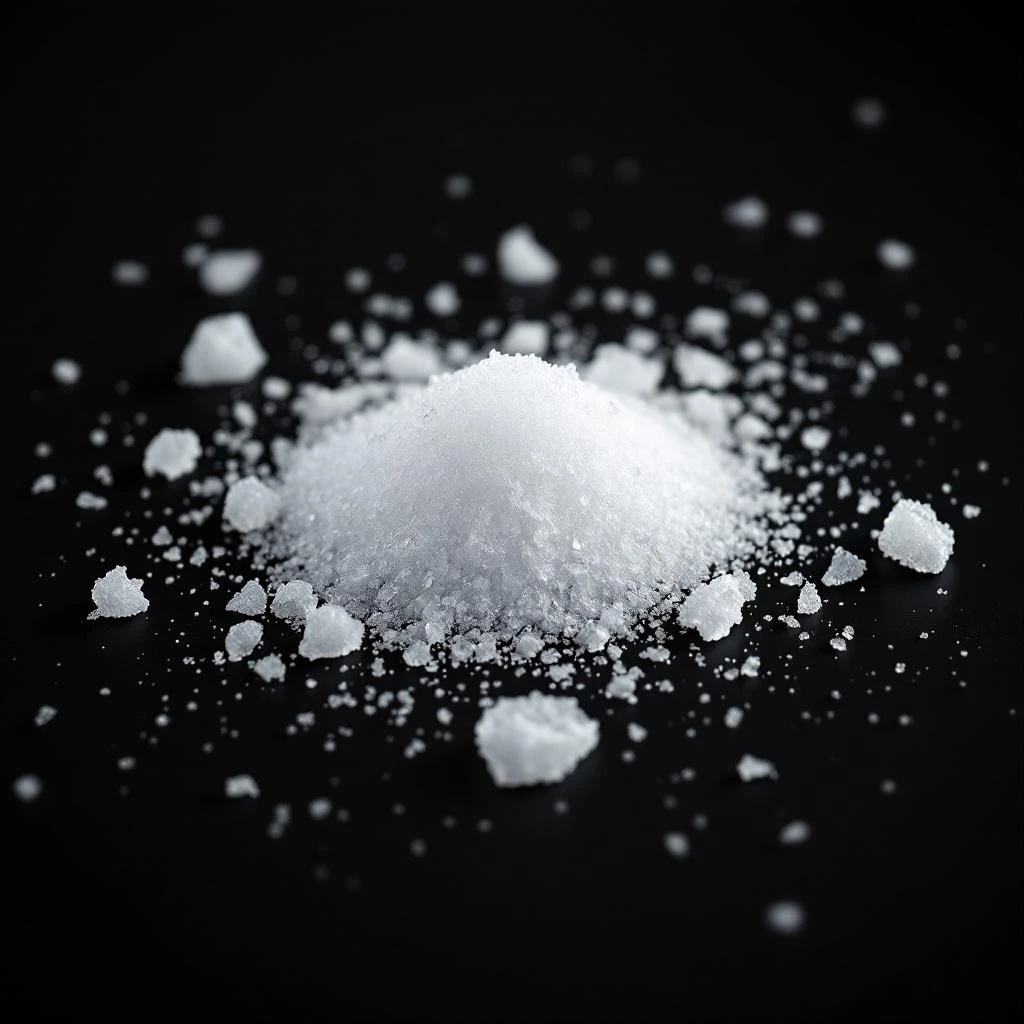
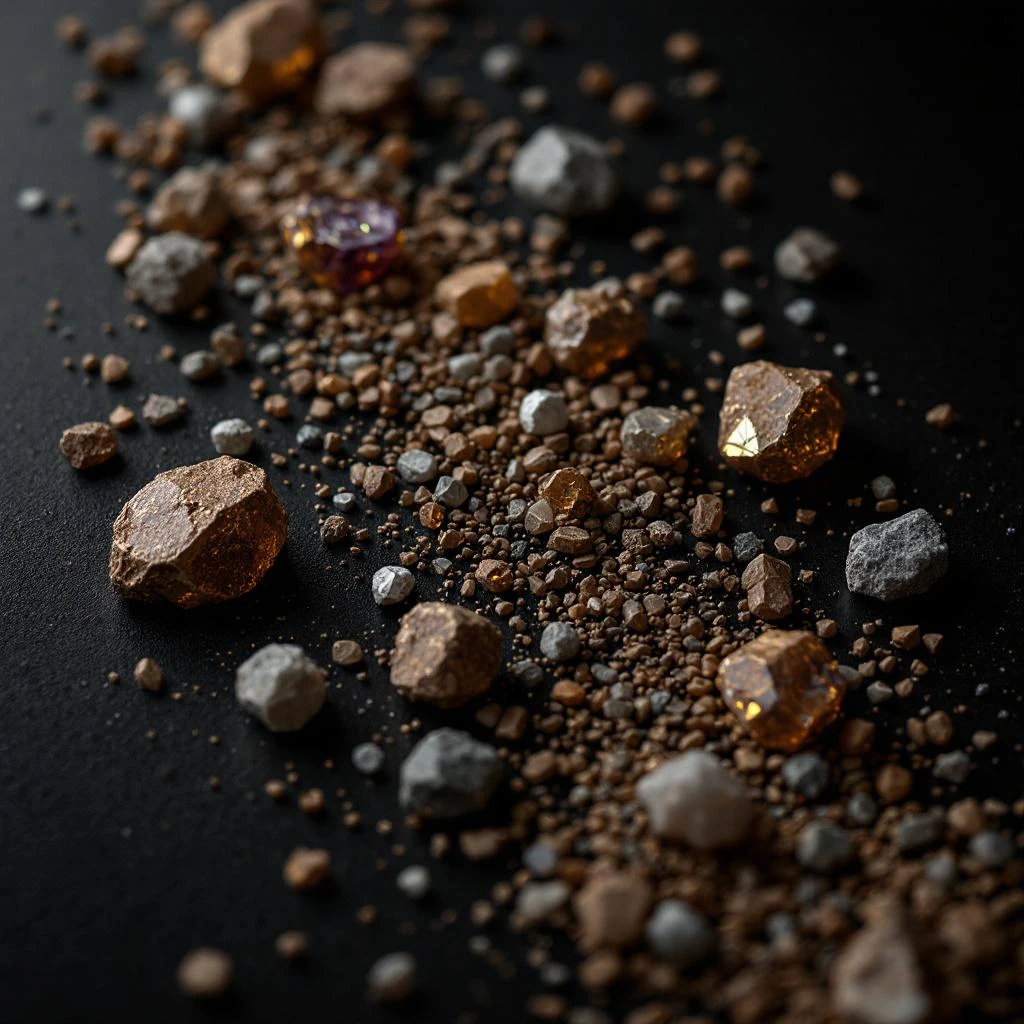
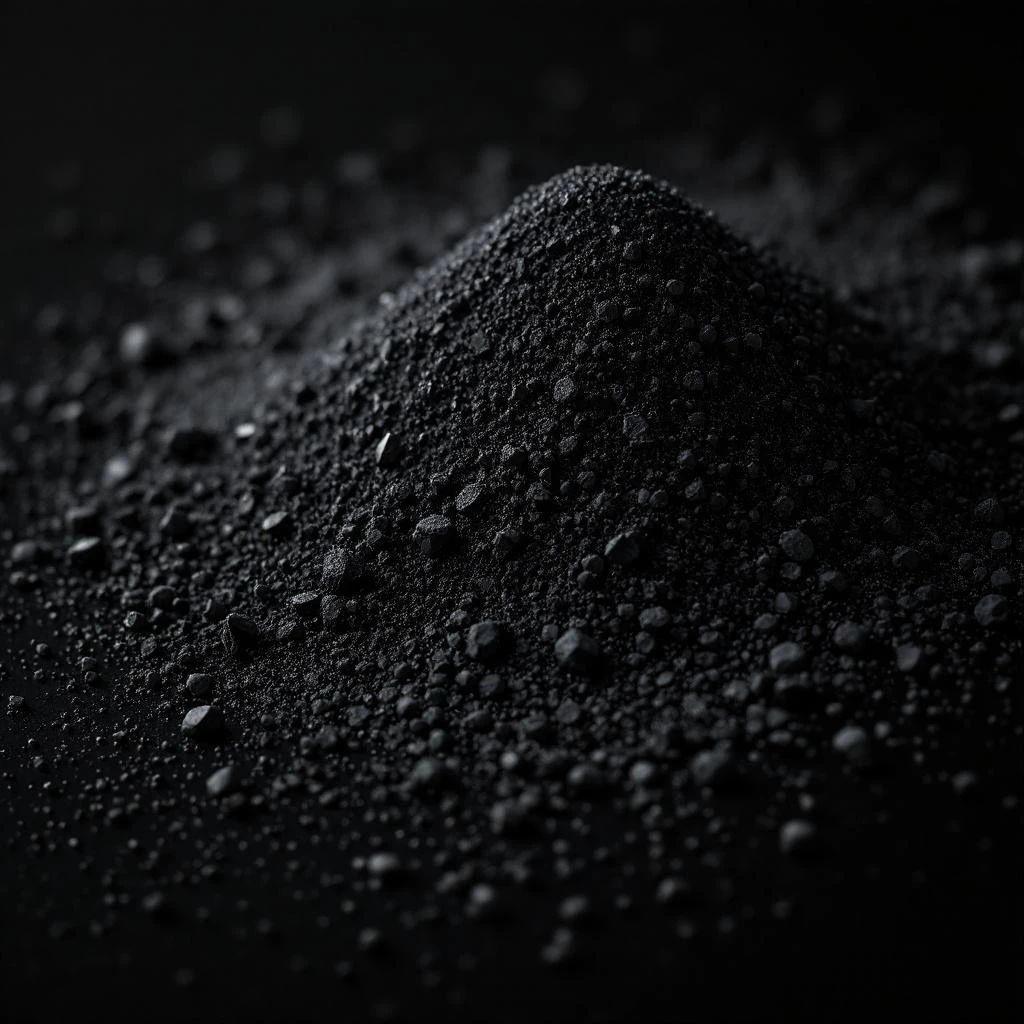
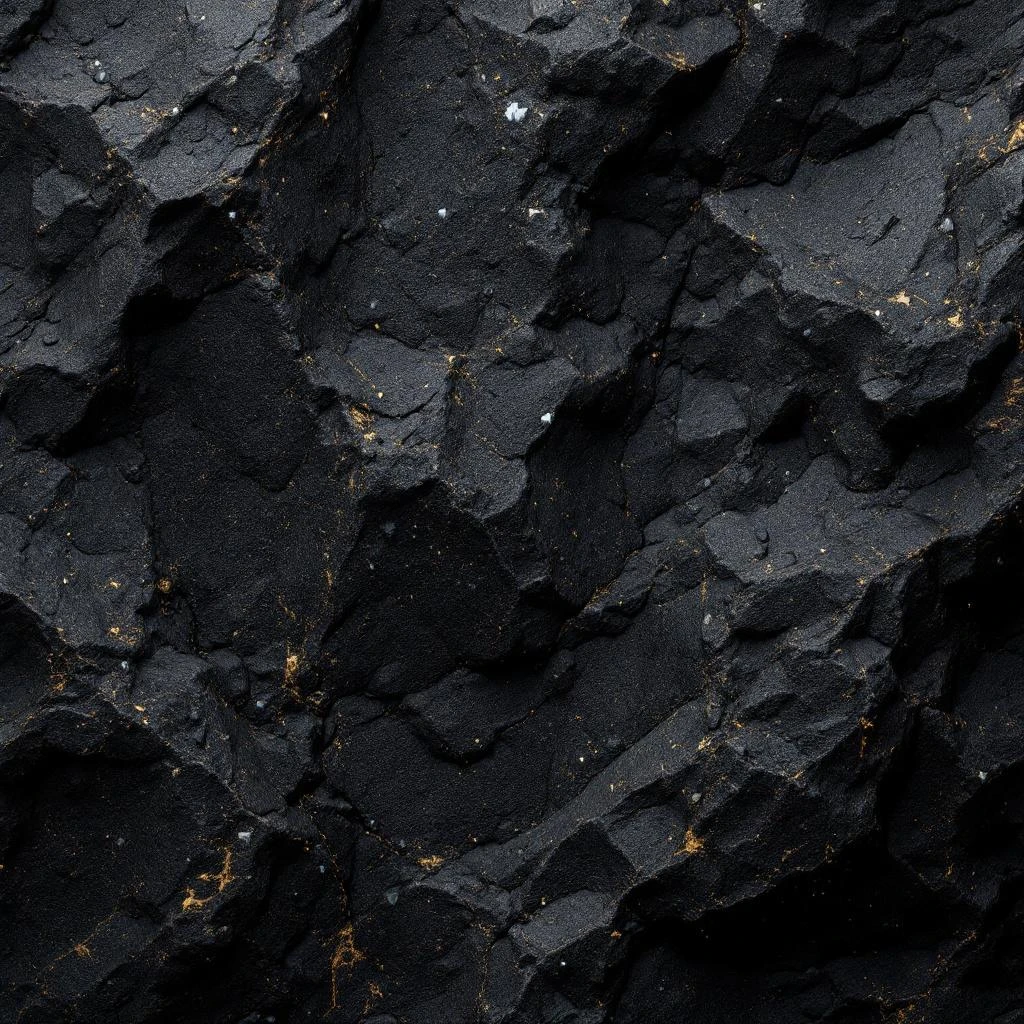
Granite is a mineralogical fragrance accord, not a natural extract. It captures the cool, stony, mineral quality of weathered rock through synthetic aroma chemicals that evoke stone, dust, and cold mineral surfaces.
Character
How it smells
Stone-cold minerality, bottled.
Granite as a 'note' is a 21st-century perfumery invention. No essential oil or absolute has ever been distilled from actual stone. The accord is built in a lab.
Pairs beautifully with


Origin
France
Mineral and stony accords have no ancient lineage because they cannot be distilled from plants or animals. The concept of 'granite' or 'stone' as a fragrance note belongs firmly to modern perfumery, emerging alongside the synthetic chemistry revolution that began in Paris around 1889.
Early synthetic aroma chemicals, including aldehydes developed during the late 19th and early 20th centuries, gave perfumers access to mineral and metallic effects that nature never offered directly. The specific 'granite' label, evoking cold, clean stone, gained traction in niche and avant-garde perfumery during the early 2000s as fragrance creators began exploring non-biological, geological, and atmospheric concepts.
This represented a philosophical break from perfumery's 4,000-year history of botanical and animalic sourcing. Today, mineral accords sit within a broader trend of conceptual perfumery that treats scent as abstraction rather than literal representation of natural objects.
Wears it best
Fragrances featuring Granite
Brands
Brands known for Granite
Good to know
Questions, answered
The essentials on Granite in perfumery: how it smells, where it comes from, and how it behaves on skin.
Is granite a real fragrance ingredient?
No. Granite is a conceptual accord built in the laboratory from synthetic aroma chemicals. No natural extraction method, including steam distillation or solvent extraction, can produce a usable oil from stone.
What does granite actually smell like in a perfume?
Granite accords typically evoke cool, dry, mineral impressions: wet stone after rain, quarry dust, cold slate, and petrichor. The effect relies on molecules such as geosmin combined with metallic and ozonic synthetics.
When did mineral notes first appear in perfumery?
Mineral and metallic effects entered perfumery through synthetic aldehydes developed during the late 19th and early 20th centuries in Paris. The specific 'granite' concept gained prominence in niche perfumery during the early 2000s.
Can you extract essential oil from granite rock?
No. Rocks contain no volatile oils, resins, or aromatic compounds that respond to distillation or solvent extraction. Any 'granite' note in a fragrance is necessarily synthetic or compositionally constructed.
Which aroma chemicals create a granite effect?
Perfumers commonly combine geosmin, metallic aldehydes, and cool or ozonic molecules. Some formulas incorporate trace amounts of ambergris tincture or oakmoss absolute to reinforce the wet-stone impression.
Where does the granite note concept come from?
The concept emerged from modern avant-garde perfumery in France. It reflects a 21st-century trend toward abstract, non-biological scent concepts that move beyond traditional botanical and animalic raw materials.
Is granite safe to wear on skin?
Yes, when formulated properly. Because granite accords consist of standard synthetic aroma chemicals at typical perfumery concentrations, they present no unusual skin-safety concerns beyond normal fragrance allergen considerations.
Why include a non-natural note like granite in a fragrance?
Perfumers use granite accords to evoke specific atmospheres: cold architecture, mountain air, rain on stone, or geological stillness. The note adds textural contrast to floral, woody, or oriental compositions.