The Story
Why it exists.
The beginning
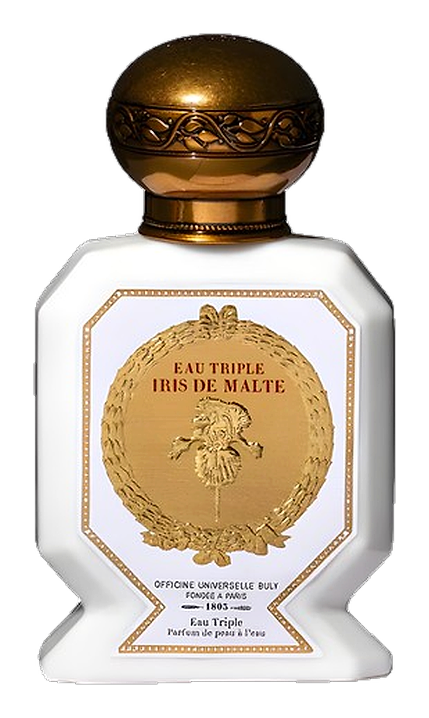
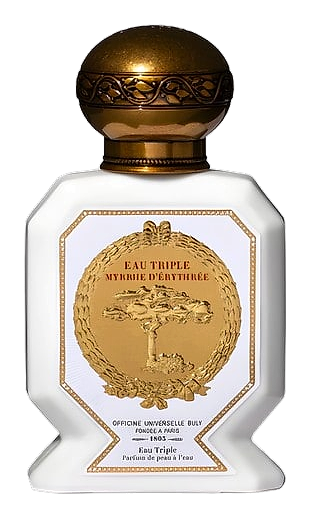
Érythrée, Eritrea, sits on the Horn of Africa along routes that have carried myrrh since antiquity. Buly 1803 didn't invent this connection. They just followed it. The fragrance takes its name from the region's historic trade corridors and the material that made them famous, translating geographic specificity into olfactory fact. No abstraction. No metaphor. Myrrh meeting the white florals the formula demanded. The myrrh adds a dark, resinous quality that anchors the lighter floral notes, creating a sophisticated balance between sweetness and earthiness. This interplay reflects the region's complex aromatic heritage, where diverse scents converge in a timeless olfactory conversation.
What makes this composition unusual isn't the ingredients, tuberose, jasmine, and myrrh have shared space before. It's the format. The Eau Triple concentration is water-based, alcohol-free. That changes how the florals land. Without alcohol's immediate lift and burn, magnolia and bergamot arrive slower, rounder, closer to how you might encounter them in a garden than a bottle. The myrrh doesn't compete with sparkle. It waits for it to quiet down. The texture feels different, more like mist than spray, settling on skin with a quiet deliberation that invites patience.
The evolution
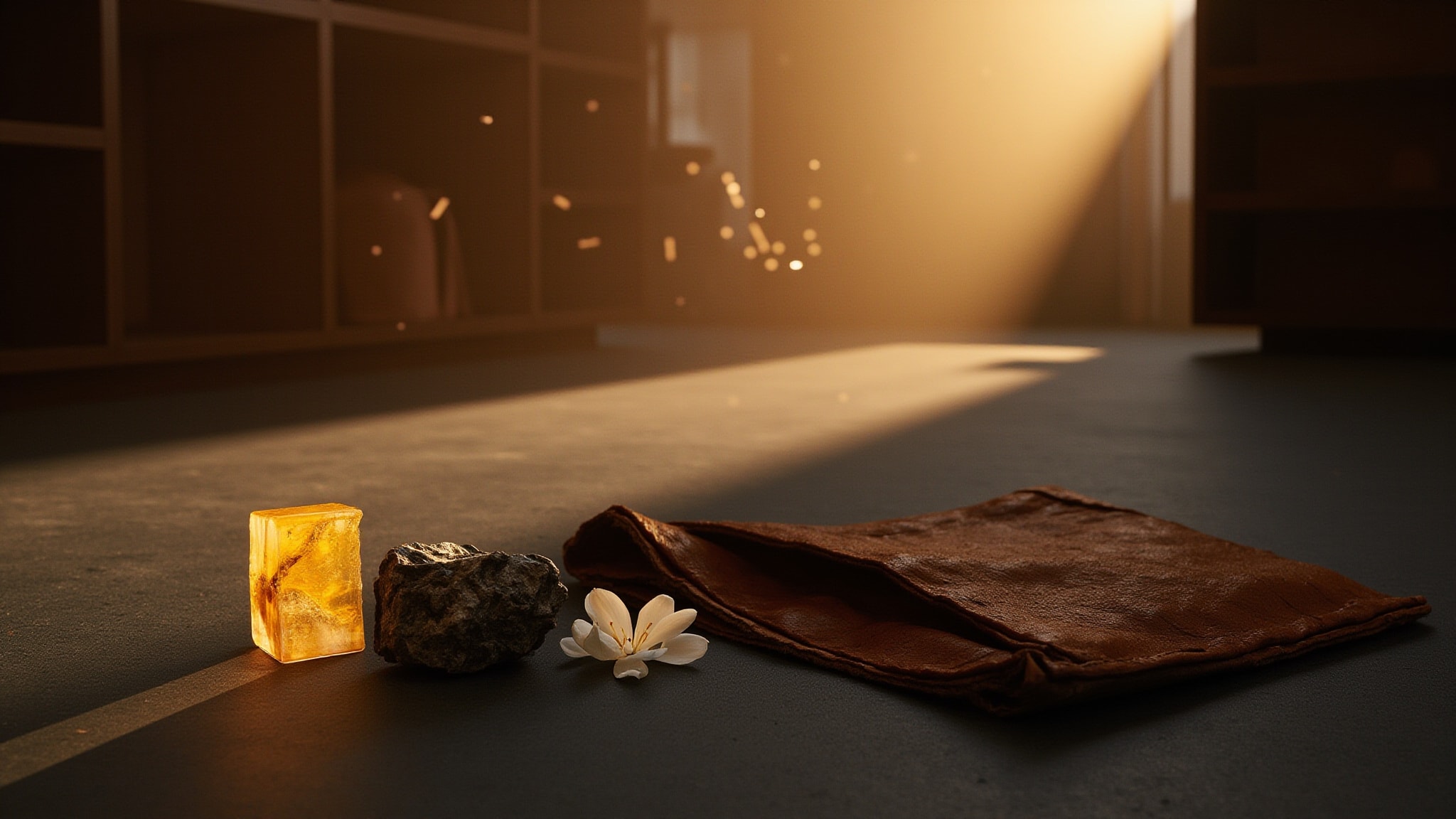
The opening arrives soft. Bergamot and magnolia don't burst, they diffuse, like light through window glass. Within twenty minutes the florals deepen. Tuberose pushes through, not indolic exactly but present, stemmy, with that green-bitter edge that makes it interesting instead of pretty. Jasmine arrives mid-drydown, sweeter, rounder. Then the myrrh. It doesn't replace the florals. It underpins them, like stone beneath cathedral floors. The whole composition settles into something warm and resinous, quieter than it started but never disappears. The drydown lingers close to the skin, a subtle presence that develops gradually without demanding attention.
Cultural impact
Eau Triple Myrrhe D'Erythree arrived in 2023 as part of Buly 1803's broader revival of archival perfumery. The brand's 2014 resurrection by Ramdane Touhami and Victoire de Taillac emphasized slow, artisanal production. The Eau Triple line introduced water-based, alcohol-free formulations to this framework. This technical choice signals a commitment to ingredient purity over performance projection. The fragrance opens with bergamot and magnolia, their citrus brightness softened by the water-based medium. As the scent develops, tuberose emerges with its characteristic green-bitter nuance, followed by jasmine's sweeter, rounder presence.