The Story
Why it exists.
The beginning
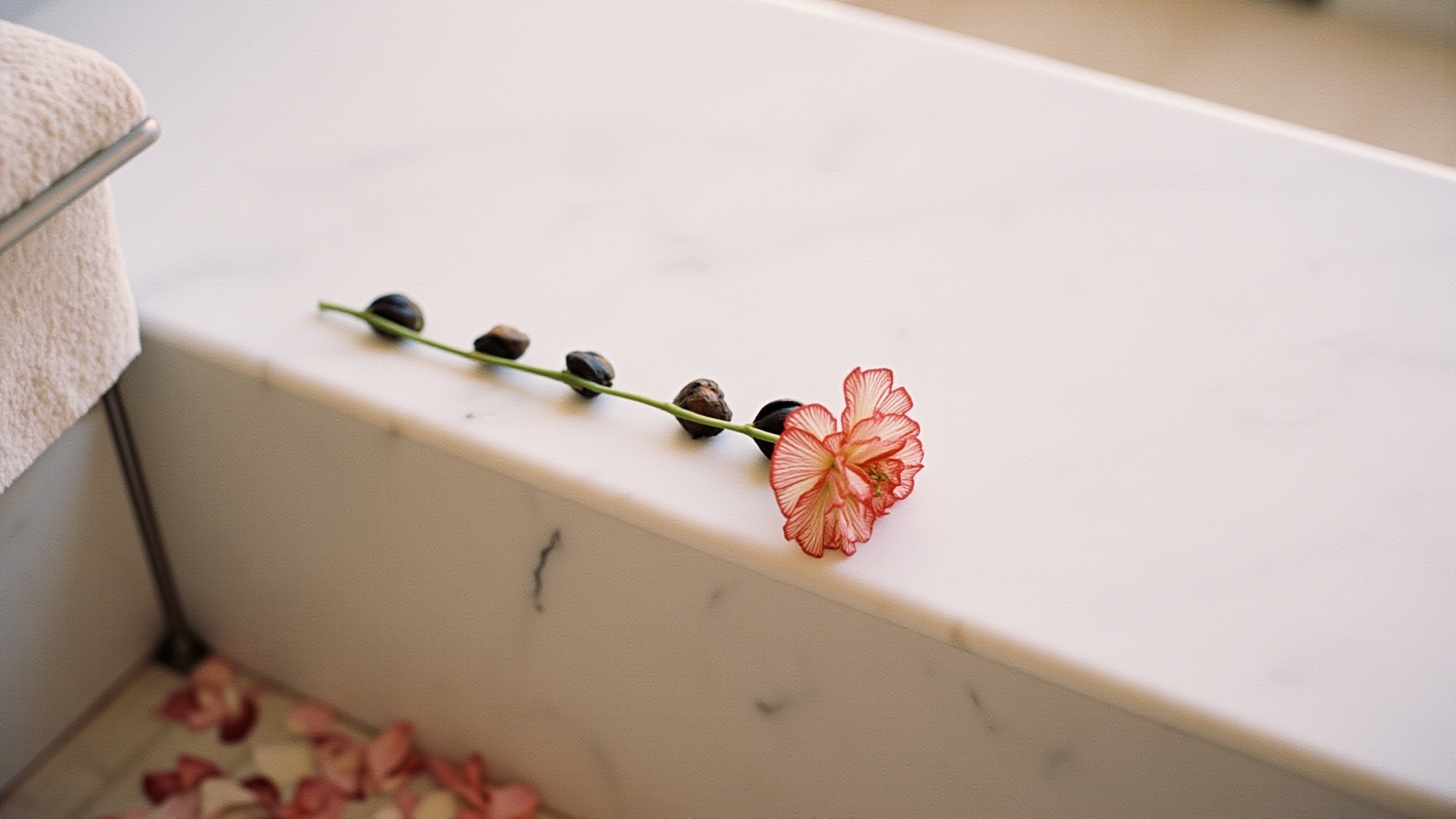
Released in 1930 by Borsari, Garofano wears its name without apology. The fragrance arrives as an unapologetic single-flower study, built around the carnation and letting it lead the opening rather than burying the bloom beneath more common floral scaffolding. There's a directness to the composition, a refusal to dilute the central note with concessions to crowd-pleasing sweetness. The carnation here is sharp-cloved, unmistakable, and given room to speak. The composition trusts the wearer to follow it rather than smoothing the edges for easy approval. Garofano doesn't perform friendliness; it states its case. Whoever built this fragrance understood that carnation, handled honestly, doesn't need rescuing. It needs space.
What makes Garofano structurally interesting is the base. Clove, black pepper, and coriander anchor the florals from underneath, which is unusual for a 1930 women's composition that might have leaned on musk or amber instead. That peppery-coriander spine means the carnation never reads as a single-note soliflore. It stays grounded, slightly savory, with a dry aromatic warmth that lingers well after the jasmine and rose have faded. It's a composition that trusts spice to do structural work that florals alone usually can't carry.
The evolution
On skin, Garofano opens with a sharp carnation, the clove facet cutting through any sweetness the bloom might offer. Within 15 minutes, jasmine arrives and softens the edges, bringing a creamy sweetness that rounds the spice into something more wearable. The heart, somewhere in the 30 to 90 minute window, settles into a gentle rose and lily of the valley accord, powdery and clean, with the carnation still threading through like a remembered thread. Then the base takes over, and this is where Garofano earns its keep. Clove and black pepper warm back up, the coriander adds a savory, almost herbal lift, and the musk underneath gives everything a skin-close intimacy. By hour three or four, most of the white florals have receded, and what's left is a warm, spiced, slightly dusty drydown that smells closer to old paper and dried petals than to anything alive.
Cultural impact
Garofano is a 1930 composition that rewards patience and a tolerance for old-school spice. It's the kind of fragrance that wears well on someone who already knows what carnation perfume is supposed to smell like, and who doesn't need the modern sweetness of a mainstream floral to enjoy a bloom. Worn in cooler months, close-quarters, it reads as quietly distinctive rather than loud, with the spice doing much of the heavy lifting throughout the drydown. The fragrance asks for a particular kind of attention, the sort you give to a composition that doesn't explain itself or apologize for its edges.