The Story
Why it exists.
The beginning
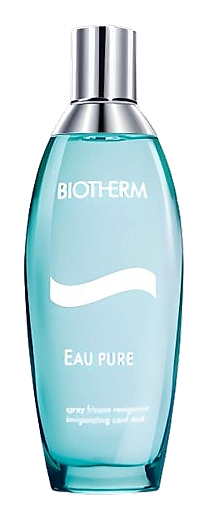
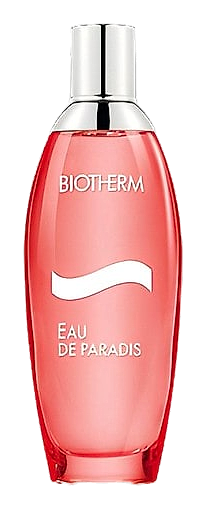
Eau de Paradis arrived in 2010, and the name does most of the conceptual heavy lifting. Paradis, not plage, not jardin. Paradise as a feeling, not a postcard. The fragrance came from Bernard Ellena, co-credited alongside Symrise, and the purple flacon released alongside bath and body lotion, treating fragrance as an extension of skincare rather than an accessory. The composition itself leans into fruit in a way that feels deliberate, almost indulgent, pulling closer to skin than to spectacle. Where many fresh fragrances stay safely aquatic, this one commits to berries and warmth, a choice that reads as confident rather than careless. The bottle design holds that same restraint. Purple glass, curved, substantial, built to live on a bathroom shelf rather than a vanity tray.
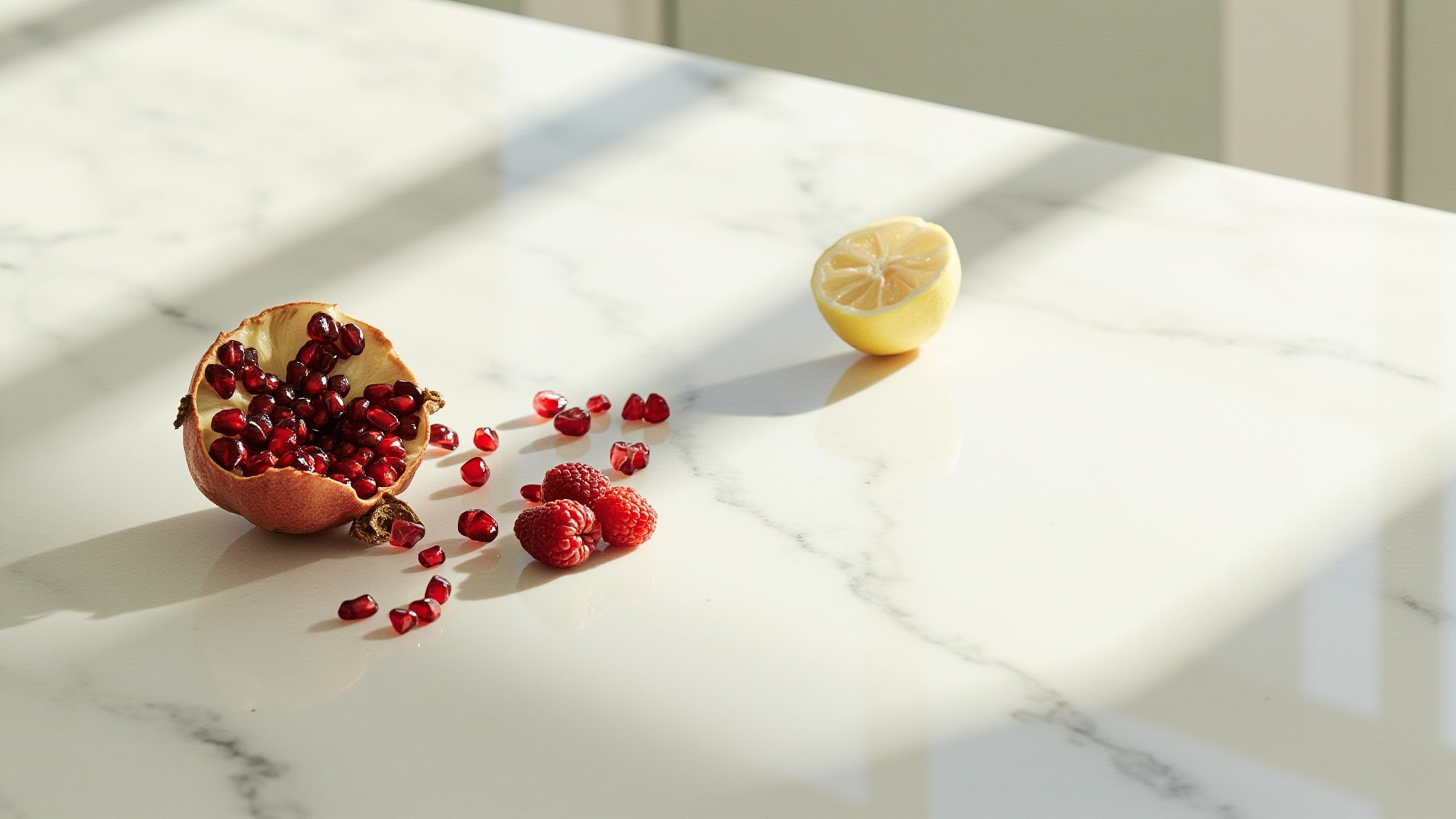
The structure here does something most fruity compositions skip. It builds around freesia as a quiet anchor, and that single decision changes everything about how the berries read. The top opens with a dense fruit accord, pomegranate, raspberry, blueberry, red berries, black currant, all of it layered together with the Amalfi lemon threading through to keep the sweetness from collapsing. On paper that's a lot of sugar.
The evolution
The opening belongs to the fruit, immediate and unapologetic. Pomegranate leads with that tart, slightly mineral edge, the kind of sharpness that wakes the whole composition up. Raspberry follows close behind, sweet but tempered, and the Amalfi lemon cuts across both with a brightness that reads as zest rather than juice, aromatic rather than sour. The first moments are dense, layered, almost jammy if you're not paying attention, but the citrus keeps lifting it. As the minutes pass, the berries start to soften, losing their crisp edges and bleeding into the florals underneath. The freesia arrives next, smelling like linen left on a line in warm air, that clean green character that gives the fruit somewhere to land. Rose threads in quietly, faint and powdery, more texture than statement. The transition into the base takes time, and it happens gradually rather than all at once.
Cultural impact
Eau de Paradis sits comfortably in the early-2010s fruity-floral category, the kind of scent that made summer feel accessible without demanding attention. It occupies a specific niche between the clean chill of an aquatic and the heavy sweetness of a gourmand, offering fruit that stays bright, florals that stay soft, and a base that grounds everything in warmth. The fragrance pairs naturally with warm-weather daily wear, with casual outings, with the kind of relaxed moments where you want to feel fresh without overthinking it.
The House
BiothermBiotherm sits at the intersection of skincare science and fragrance artistry, rooted in the belief that water holds transformative power for skin. The brand emerged from a biochemical discovery and has since built a portfolio that spans skincare treatments, body care, and a distinctive collection of eaux that translate aquatic freshness into wearable scents. Operating under the L'Oréal umbrella, Biotherm channels decades of dermatological research into products designed to work with the skin's natural biology. Their fragrances tend toward clean, aquatic, and energizing profiles, often incorporating thermal water derivatives and marine-inspired accords that evoke the brand's spring-fed origins.
The Creator
Bernard EllenaTrained at Roure Bertrand Dupont and shaped by decades at Symrise, Ellena brings a rare quality-control perspective to composition, developed across both fine fragrance and functional consumer scent work. This dual experience allows him to operate comfortably at every price po…