The Story
Why it exists.
The beginning
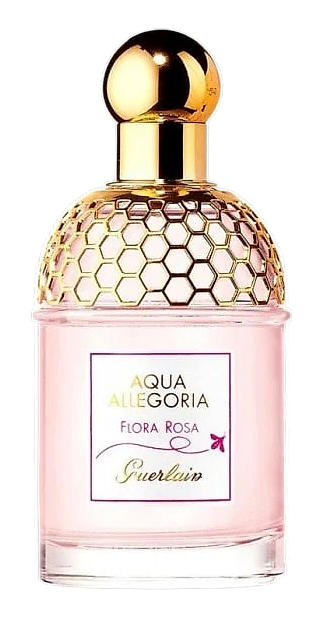
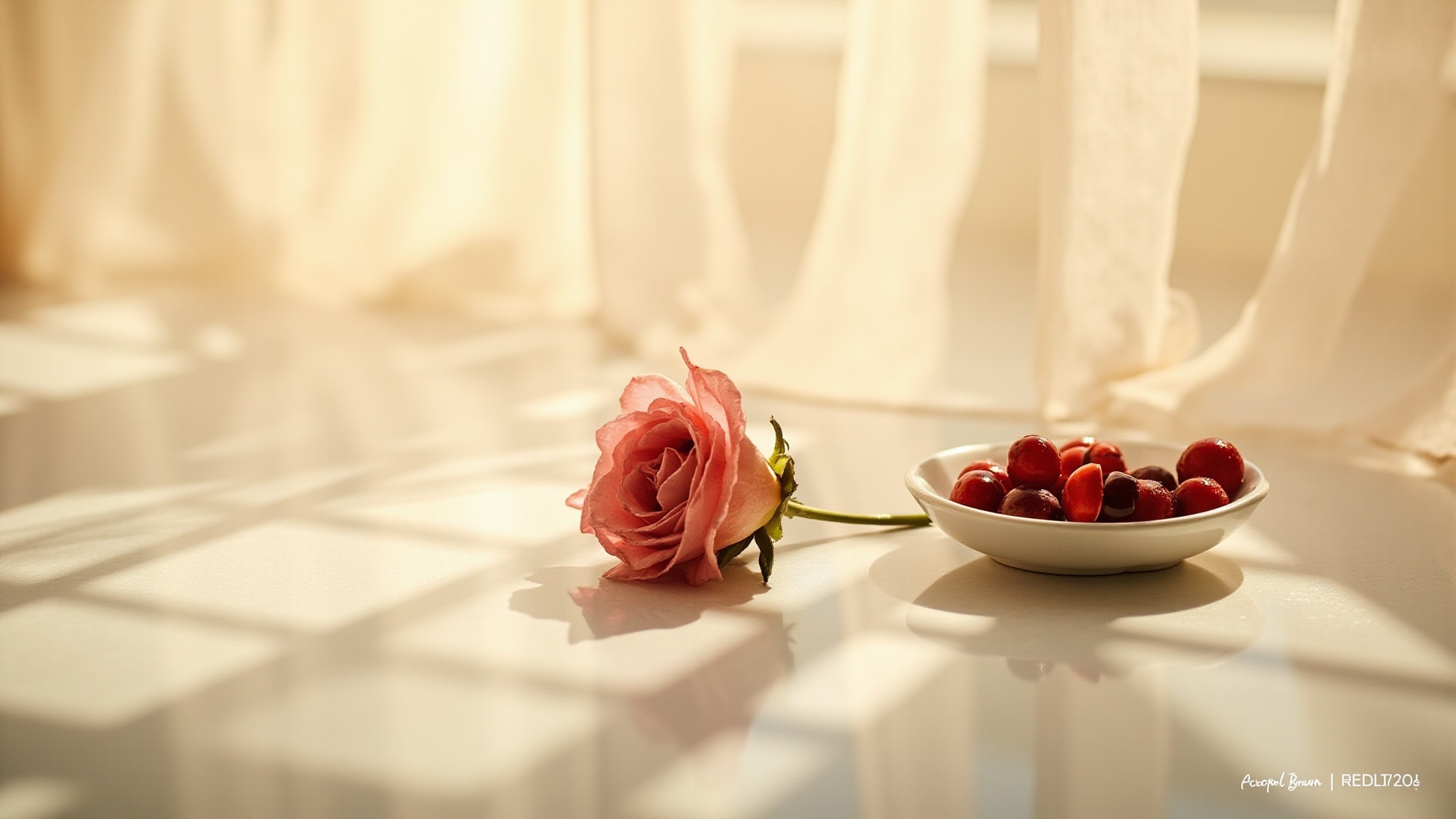
Flora Rosa arrived in 2013, composed by house perfumer Thierry Wasser, and it does what the Aqua Allegoria collection does best: take one flower and give it somewhere honest to breathe. Here, the flower is rose. Wasser built the composition around a red-fruit sparkle over a powdery rose heart, grounded in clean musk. The opening is quick and lively, almost like biting into a cluster of ripe currants, with that tart edge keeping things from tipping into anything syrupy. The rose that follows isn't shy. It carries a slightly retro feel, the kind of pink, lipstick-tinged quality you don't find in every modern floral. Iris moves in just behind it, adding a soft powdery haze that cools the fruit's brightness and gives the whole thing a polished, almost dressed-up finish.
What makes Flora Rosa structurally interesting is the restraint in its architecture. The red berries function as a brightening agent rather than a gourmand note, lifting the rose out of any expectation of jammy sweetness. There's no syrup, no honey, no sticky fruit compote trying to compete with the floral. The berries do their job and step back. The iris in the heart adds the powdery lift that makes the whole thing read as elegant rather than girlish, that subtle coolness that keeps the rose from feeling too lush or overblown.
The evolution
The first five minutes are where Flora Rosa earns its name. Red berries give a quick tart brightness, almost like crushed currants against the tongue. It's brief, almost impatient, the way a cold morning smells when you step outside. Then the rose arrives within minutes, and it doesn't tiptoe. It's a pink, lipstick-tinged rose, with iris adding a cool powdery haze just behind it. The combination reads clean and a little nostalgic, a slightly retro feel that's polished without feeling dated. The rose holds for a while, neither rushing to fade nor clinging too hard. As the hours pass, the fruit is gone, and the rose has softened into something rounder, warmer. What remains is a creamy musk that sits close to the skin, close enough that you have to lean in to catch it properly. This is where Flora Rosa becomes a different fragrance. It's no longer sparkling. It's not even floral, exactly.
Cultural impact
Flora Rosa sits in the Aqua Allegoria collection, a Guerlain sub-line that focuses on lighter, more casual fragrance compositions. The collection is sold primarily through duty-free channels, which has shaped how the fragrance reaches people and how it's often used. Many wearers buy it specifically for travel, tucking a bottle into a carry-on for a trip or reaching for it as a refreshing option between destinations. It's a fragrance that lends itself to layering with other scents too, light enough to sit beneath something heavier without competing. Its appeal tends to be intimate and personal.
The House
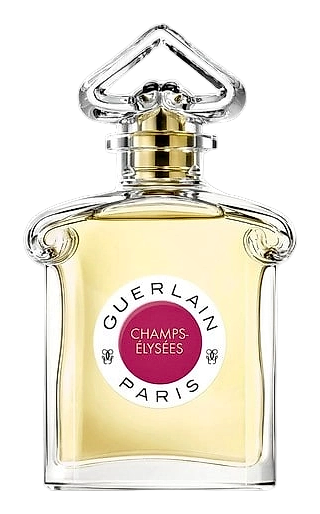
GuerlainGuerlain stands as one of the oldest and most revered perfume houses in the world, founded in Paris in 1828 by Pierre-François-Pascal Guerlain. What began as a boutique on rue de Rivoli quickly became the preferred destination for Parisian society, attracting dandies and elegant women who sought custom-crafted fragrances. The house's influence grew to such heights that Guerlain earned the title of Official Perfumer to Napoleon III after presenting Eau de Cologne Impériale to Empress Eugénie as a wedding gift in 1853. This royal patronage marked the beginning of Guerlain's enduring association with European aristocracy, as the house went on to create fragrances for Queen Victoria and Queen Isabella II of Spain. Today, under the creative direction of Thierry Wasser, the fifth-generation perfumer, Guerlain continues to shape the landscape of fine fragrance with a portfolio spanning over 1,100 olfactory creations. The house remains headquartered at its legendary Champs-Élysées mansion, a historic monument that anchors Guerlain's position at the intersection of heritage and contemporary luxury.
The Creator
Thierry WasserWasser gravitates toward green, crispy notes and the bold florals Guerlain is known for. Bulgarian rose appears repeatedly in his work, and he travels annually to oversee the harvest in Kazanlak.