The Story
Why it exists.
The beginning
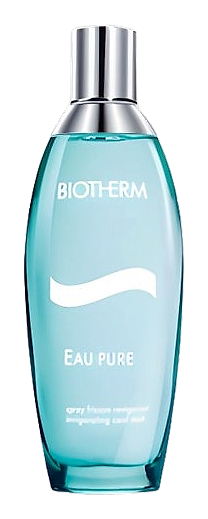
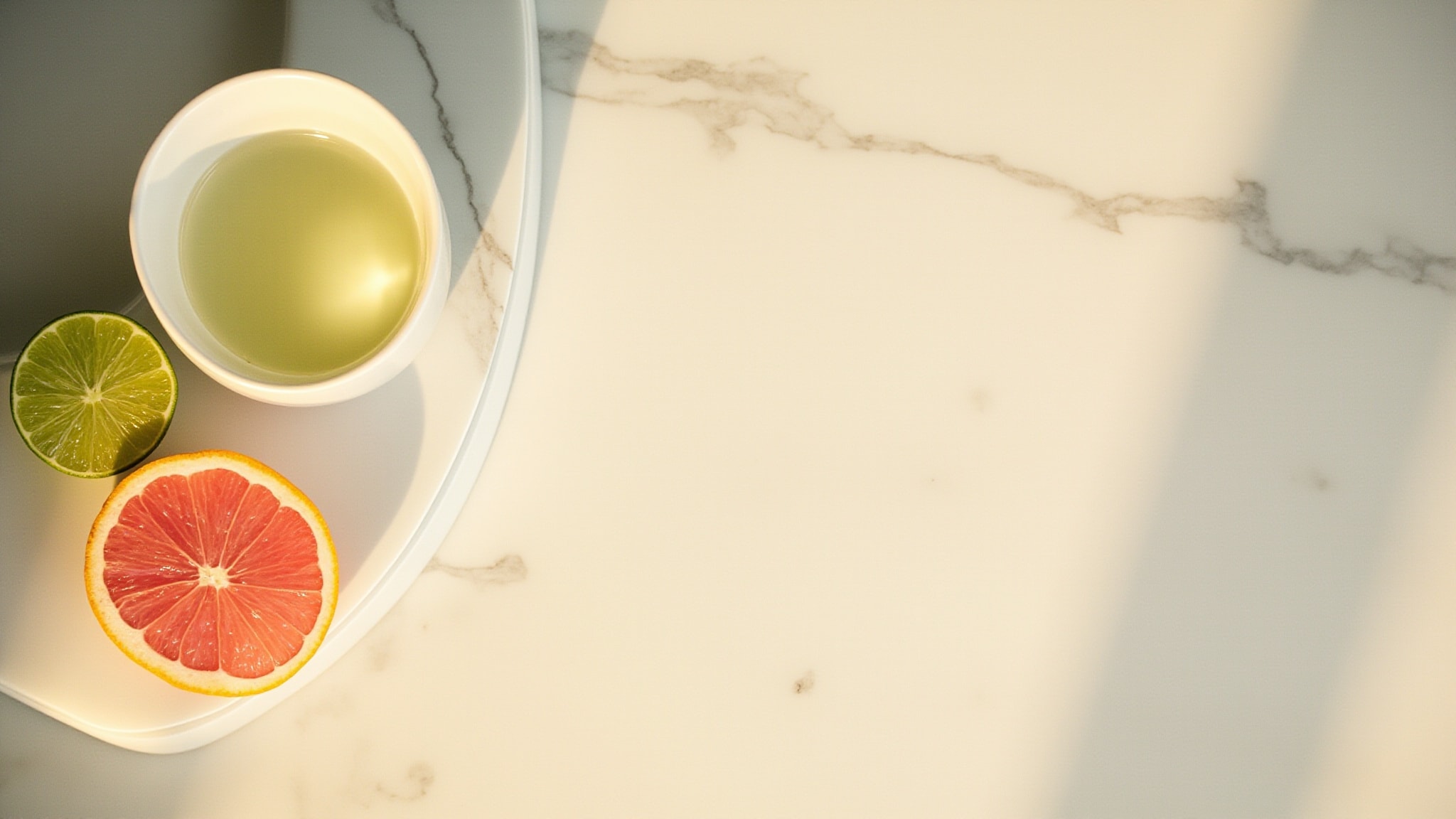
Eau Pure arrived with a quiet ambition: make a fragrance that worked like skincare. Biotherm had spent decades proving that water held transformative power for skin, thermal water from Alpine springs, biochemically sourced, biologically effective. The idea was to take that same logic and apply it to scent. Not a perfume that sat on the skin. Something that became part of it. The concept was purity, lemon essence, kiwi, green tea, ingredients that felt less composed and more encountered. Like finding something clean rather than buying it. The composition draws on the brand's expertise with mineral-rich waters, translating that sense of purity into a scent that feels closer to a natural state than a pronounced one. There is no attempt to announce itself.
What makes Eau Pure unusual isn't any single ingredient, kiwi and rhubarb appear in plenty of fresh compositions. It's the restraint. Five top notes that could easily crowd each other instead take turns. Lime steps back as grapefruit steps in. Kiwi bridges the citrus to something softer. The heart adds green tea and lotus not for complexity but for breath, spaces where the composition doesn't try. Even the base, patchouli and oakmoss, stays close enough to smell like skin rather than perfume.
The evolution
The first fifteen minutes belong to citrus. Lime hits first, sharp and immediate, then grapefruit softens it, and suddenly lemon arrives to remind you this is still a citrus fragrance. Underneath, kiwi holds its own, tart, slightly sweet, green in a way that feels harvested not composed. By the thirty-minute mark, green tea takes over. Not as a note so much as a shift in temperature, the scent becomes cooler, more aqueous. Lotus adds a hint of something almost aquatic, almost floral. The drydown arrives gradually: white musk close to the skin, patchouli that barely registers, oakmoss that reads as clean rather than green. The composition settles into itself over time, the initial brightness giving way to something more diffuse and intimate. What remains in the final stages smells like skin, and by then, the fragrance has become less a scent you wear and more a quality you carry.
Cultural impact
Eau Pure arrived during a period when fresh and aquatic fragrances held significant appeal in women's scent. Compositions like this one prioritized clarity over presence, avoiding the heavier orientals and ambers that had dominated earlier years. The fragrance doesn't try to fill a room, its moderate sillage keeps it intimate, which suits those who prefer something that stays close rather than announcing itself. For wearers who want something that smells like healthy skin rather than a pronounced signature, this remains a quiet option.