The Story
Why it exists.
The beginning
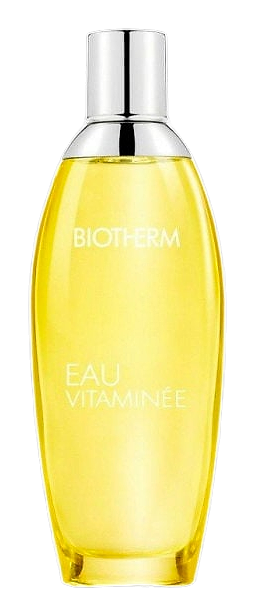
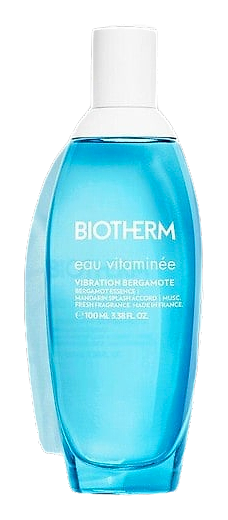
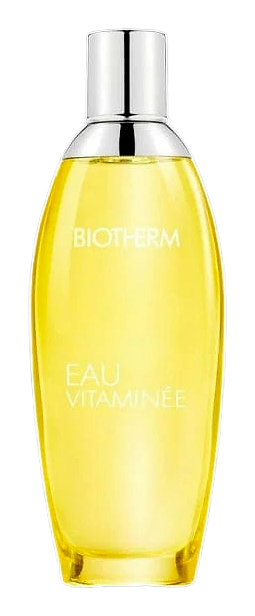
Eau Vitaminee arrived as a vitamin shot in eau de toilette form, citrus-forward and unapologetically simple. Jean-Pierre Béthouart was the right hand for the job, a perfumer whose signature was minimalism rather than maximalism. The brief was straightforward. No base notes doing the heavy lifting. No honeyed drydown waiting to seduce. Just a bright pour of orange, grapefruit, and lemon that does what vitamin C does on skin, only through scent. The name Vitaminee wasn't a metaphor. It was the promise. This was fragrance as a shot glass, not a slow dinner. The composition reads like a manifesto written in citrus zest, every drop pulling its weight in the opening minutes, every accord accountable for its presence.
The trick is in the layering: orange and pink grapefruit do the opening brightness, petitgrain and mint pull the green stem note into territory that reads herbal rather than synthetic, then jasmine and white lily show up surprisingly early to give the citrus a floral spine before it has time to collapse. By the time patchouli and crystallised moss arrive at the base, the composition has already built its own architecture. The result is a citrus fragrance with actual structure underneath, which is rarer than it should be. What looks like a simple pour turns out to be a carefully staged stack.
The evolution
The first ten minutes are all citrus and very little else. Orange, lemon, grapefruit hit at once, bright enough to register before the bottle cap comes off the table. This is the loudest the fragrance will ever get, and it knows it. There's a green thread running underneath, the petitgrain and citrus leaf pushing up from beneath, giving the whole opening a slight herbal snap rather than candy sweetness. Mint shows up quietly at the edges, like a cold draft from a cracked window. By the twenty-minute mark, the citrus starts pulling back and the florals step forward. Freesia comes in first, then jasmine, then white lily, and the composition suddenly wears like a clean laundry detergent in the best possible way. Fresh, but with a faint floral pulse underneath. The shift from sharp to soft happens fast, almost without warning. The drydown is where Eau Vitaminee reveals its real ambition.
Cultural impact
Eau Vitaminee wears like a member of the clean-cosmetic generation before that phrase existed. It arrived in 1997, a citrus-forward eau de toilette from a brand better known for skincare, and offered something genuinely distinct from the heavy orientals and gourmand sweetness that dominated the late nineties fragrance market. Wearers tend to describe it the way they'd describe a feeling rather than a perfume, which says something about the composition that numbers never could. The scent doesn't compete for attention, and the citrus-forward structure gives it a transparency that feels modern even decades later.
The House
BiothermBiotherm sits at the intersection of skincare science and fragrance artistry, rooted in the belief that water holds transformative power for skin. The brand emerged from a biochemical discovery and has since built a portfolio that spans skincare treatments, body care, and a distinctive collection of eaux that translate aquatic freshness into wearable scents. Operating under the L'Oréal umbrella, Biotherm channels decades of dermatological research into products designed to work with the skin's natural biology. Their fragrances tend toward clean, aquatic, and energizing profiles, often incorporating thermal water derivatives and marine-inspired accords that evoke the brand's spring-fed origins.
The Creator
Jean-Pierre BéthouartBéthouart's work tends toward warm, enveloping textures that linger close to the skin. He is particularly adept with contrasts between crisp top notes and creamy, almost powdery bases, a tension that gives his creations their characteristic push and pull.