The Story
Why it exists.
The beginning
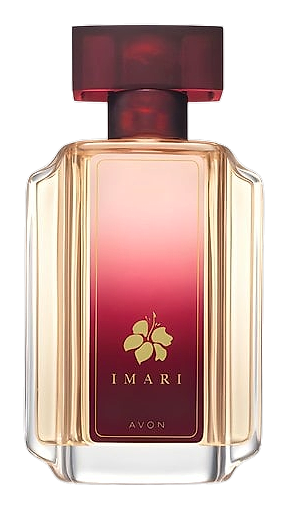
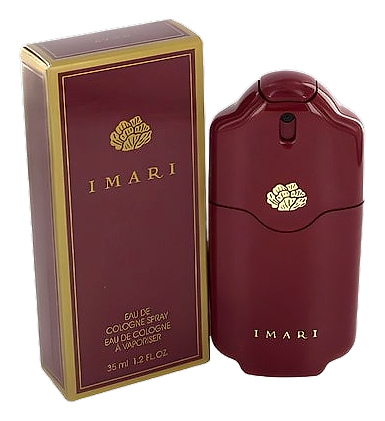
Imari landed in 1985, when Avon was still the fragrance conversation happening in living rooms across America. The brand had built its identity on accessibility, real fragrances at real prices, sold door-to-door by neighbors who'd tried them and believed in them. Imari fit that mold perfectly: a floral aldehyde with enough character to be interesting and enough warmth to be wearable. The name suggested something exotic, though the scent itself stayed grounded in the aldehydic tradition that had defined luxury perfumery for decades. Aldehydes gave the opening that classic bright, almost powdery rush, something talc-like and immediately present, while the florals underneath kept things soft and approachable.
The aldehydic structure is what sets Imari apart from countless mid-tier florals of its era. Aldehydes create that lift, the sparkling, slightly soapy brightness that makes the top notes feel like they're reaching toward you rather than sitting on skin. Here, they're paired with galbanum for green sharpness and bergamot for citrus clarity. But the real interest lives in the heart: orris root provides that powdery, violet-adjacent elegance that gives Imari its distinctive character. Tuberose brings richness without going heady. Ylang-ylang threads creaminess through the florals. Lily of the valley adds that fresh, almost dewy quality that keeps the composition from feeling heavy.
The evolution
The opening is aldehyde all the way. Talc and brightness, a rush that announces itself without apologizing. That initial burst carries before the composition shifts, the timing varying from wear to wear. The heart notes arrive gradually, orris root asserting itself first, bringing that powdery elegance that defines the middle act. Tuberose opens slowly, its creamy richness emerging as the aldehydes recede. Ylang-ylang weaves through, adding tropical sweetness without tipping into sunscreen territory. Lily of the valley keeps things green and fresh beneath the richer florals. By the later hours, the drydown takes over. Sandalwood provides warmth and softness. Musk keeps the composition close to skin, intimate rather than projecting. Cedar adds subtle woody depth without sharpness. Vanilla and amber create a gentle warmth that lingers.
Cultural impact
The aldehydic-floral genre had been established by French houses for decades, a tradition rooted in the classic perfumery that came before. Avon brought a different approach to scent, selling directly to customers rather than through traditional retail. Imari fit into this model, a fragrance with aldehydic brightness and rich florals that could find its way into everyday life through personal recommendations and direct conversation. The aldehydic opening provided that initial talc-like brightness, while the powdery heart and warm woody base gave it staying power that kept wearers coming back.