The Story
Why it exists.
The beginning
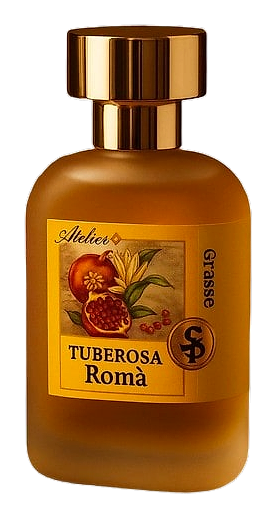
Tzivia Segall built Tubereuse Romã in 2016 as part of a catalogue where each formula reads like a short story, not a product. The premise is straightforward on paper and bold in practice: let tuberose dominate, then frame it with fruit and jasmine until the whole thing hums. Romã, the Portuguese word for pomegranate, sets the tone. Sweetness with structure, not sweetness that begs. Each formula was treated as a cast of characters with clear roles, and Romã leans into that narrative approach from the first spray. The tuberose leads, but the supporting notes, fruit up top, white florals in the middle, something warm underneath, are positioned with intention rather than left to chance. Nothing competes with the star. Everything else exists to make the tuberose more itself.
The interesting move here is restraint around what's usually left to run wild. Tuberose absolute has a reputation for going loud, almost indolic, but Romã keeps it on a leash with ylang-ylang and jasmine sambac in the heart. The fruit at the top doesn't just brighten the entry, it slices into the cream of the florals before they can get too heavy. Tonka bean and musk at the base add a warm, almost edible shell, though some readings of the composition read only vetiver in the deepest layer. Either way, the result reads as a white floral with backbone. There's fruit, but it never goes candy.
The evolution
The opening reads bright and almost fizzy. Citrus hits first, green and pithy, carrying a thread of cold water over stone. Quickly the fruit steps back, and the tuberose starts to surface, a raw and slightly camphoraceous cream. The transition is brief, and then the jasmine sambac takes the lead, fuller and more indolic than the opening suggested. Ylang-ylang adds a banana-skin warmth at this point, and a sweetness tucked into the heart begins to soften everything, though depending on the reading, that thread reads as vanilla or chamomile, two very different kinds of softness. By the time the composition settles, it lands in a golden tuberose warmth. The base notes show up here, gentle and slightly almond-like if tonka is present, or greener and earthier if vetiver is carrying the weight.
Cultural impact
Tubereuse Romã sits in a small category of fragrances where tuberose stays front and center instead of being blended into a supporting role. Romã makes it the protagonist, then arms it with enough citrus and fruit to keep the composition from sliding into the heavy territory that turns some wearers off white florals entirely. It's a take on the tuberose classic written by a perfumer who treats the formula as narrative, and the result is a composition that respects the flower's reputation without being defined by it. For anyone curious about what tuberose can be when it's given the lead, this is one of the more accessible entry points.