The Story
Why it exists.
The beginning
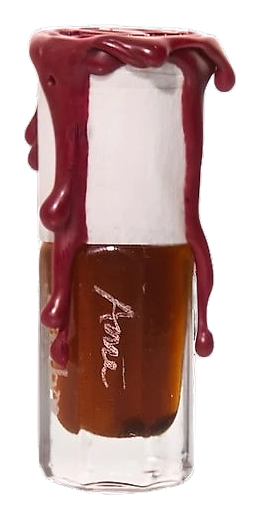
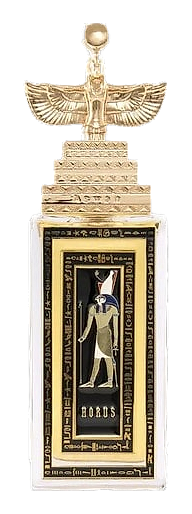
Horus is the falcon-headed god of kingship, protection, and the sky. In Aswan's telling, that means translating celestial authority into something a person can wear on their neck. The 2025 release was composed by Ibrahim Al-Zoubi, the perfumer with Syrian roots behind the house, and it draws from the well of Egyptian mythology that runs through the collection. Horus sits at the top: sky god, heir to Osiris, the one whose eyes were the sun and moon. Building that mythology into a bottle means moving from bright openings to ritualistic warmth, so the composition opens on grapefruit and rosemary before tipping headfirst into spice.
What makes Horus distinctive is how many spice notes are loaded into the top and how they're handled. Cardamom, nutmeg, and cinnamon don't just announce themselves and leave. They set the table for a frankincense-lavender heart that reads almost meditative, like an altar after the candles are lit. Then the base piles on cyperus esculentus (yellow nutsedge), Haitian vetiver, sandalwood, patchouli, licorice, and amber. That kind of density gives the fragrance a gravity that lighter compositions can't reach. The cyperus is especially unusual.
The evolution
The first 30 minutes are bright and abrasive in the best way. Grapefruit gives a sharp cold edge, rosemary snaps green and herbal behind it, then the whole wave of spice (cardamom, cinnamon, nutmeg) hits before the apple softens the corners. Within an hour, the incense has pulled everything toward a smoky center where lavender cools the heat and clove adds depth. This is the phase that smells the most like what the brand was after: something weighty, almost ceremonial. By hour three, the base has fully taken over. The cyperus gives a toasted, almost grain-like warmth that sits beneath vetiver and sandalwood, while licorice adds a faint sweetness that keeps the amber from going dry. By hour six or seven, you're in quiet territory. It's close-skin amber and wood with a trail of patchouli and faint smoke. The next morning, what's left is a woody-amber ghost on the underside of your wrist. The sillage tapers significantly past hour five, so plan to reapply for the second half of a long evening.
Cultural impact
Aswan is a quiet presence in the niche conversation. The house operates at a smaller scale than the bigger names in the Swedish-adjacent niche world, and its audience tends to come looking for the concept first, the mythology, the figure on the label, and only then the fragrance itself. Horus fits naturally into that mode of discovery because it leans heavily into its source material. The falcon-headed god of kingship, protection, and the sky is one of the most recognizable figures in the Egyptian pantheon, and that recognition does some of the heavy lifting when the fragrance reaches a new wearer.
The House
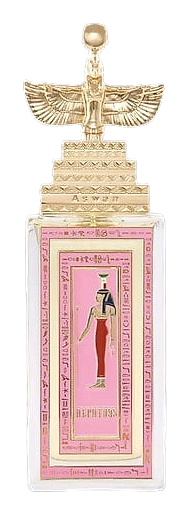
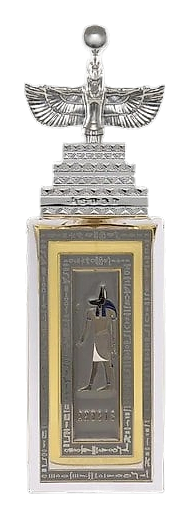
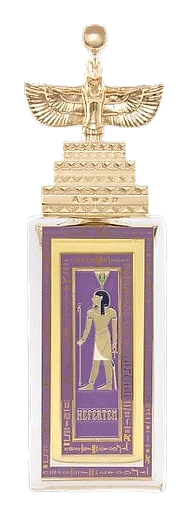
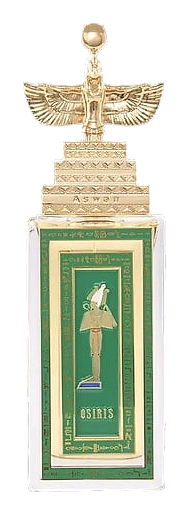
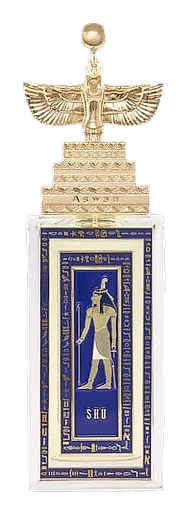
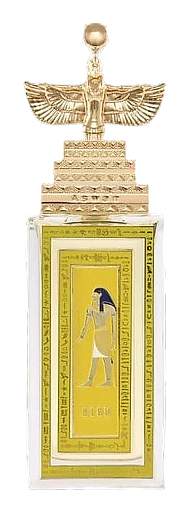
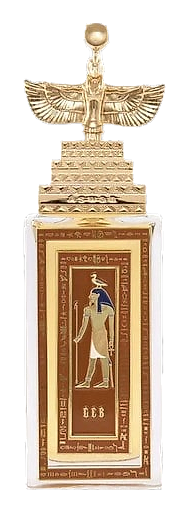
AswanAswan is a Swedish niche fragrance house that channels ancient Egyptian mythology into liquid form. Each scent takes its name from a deity, distilling the elemental forces of creation, air, earth, water, fire, and sky into highly concentrated extrait de parfums. The brand operates from Emmaboda, Sweden, under PANA DORA SWEDEN, and crafts fragrances that function as olfactory portals to antiquity.
The Creator
Ibrahim Al-ZoubiAl‑Zoubi favors natural extracts that retain their original character. He often begins with a base of oud, ambergris, or sandalwood, then layers bright citrus or herbal notes to create contrast.