Cyperus esculentus
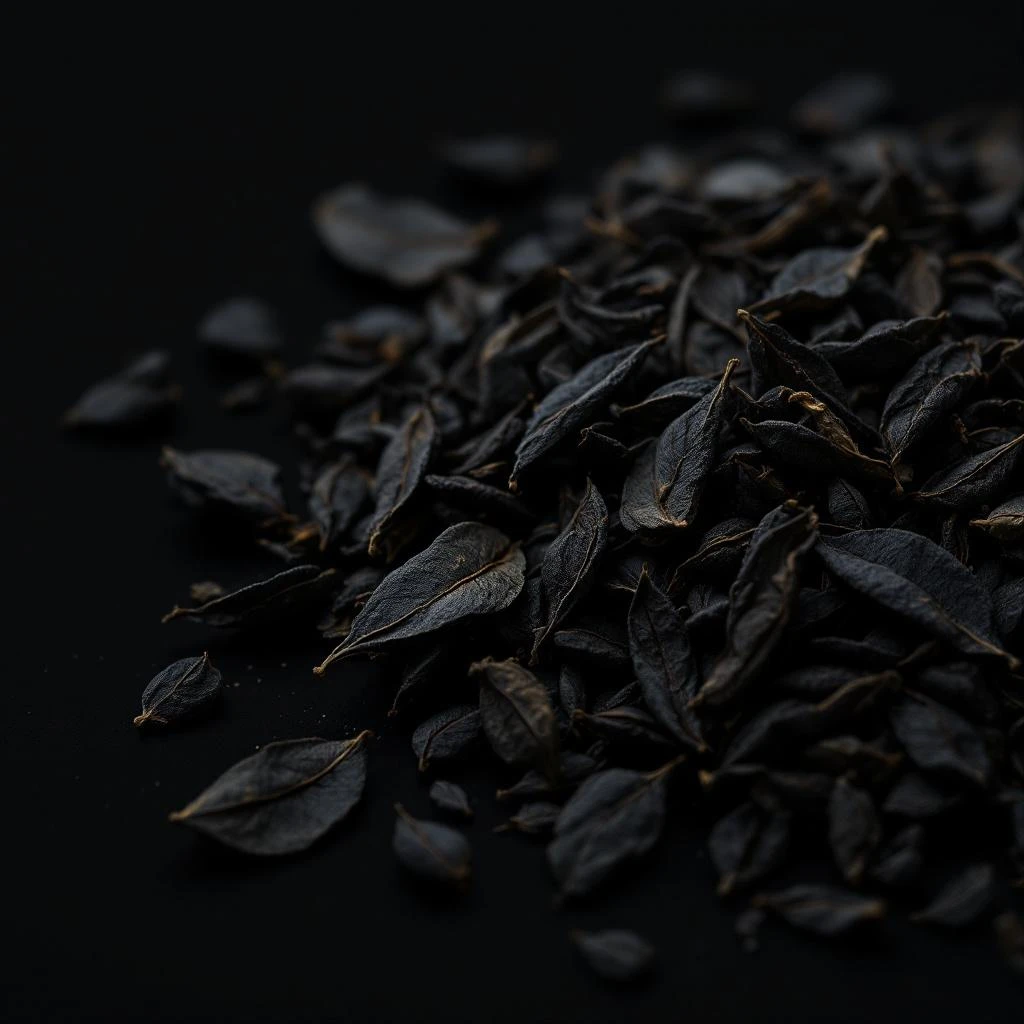
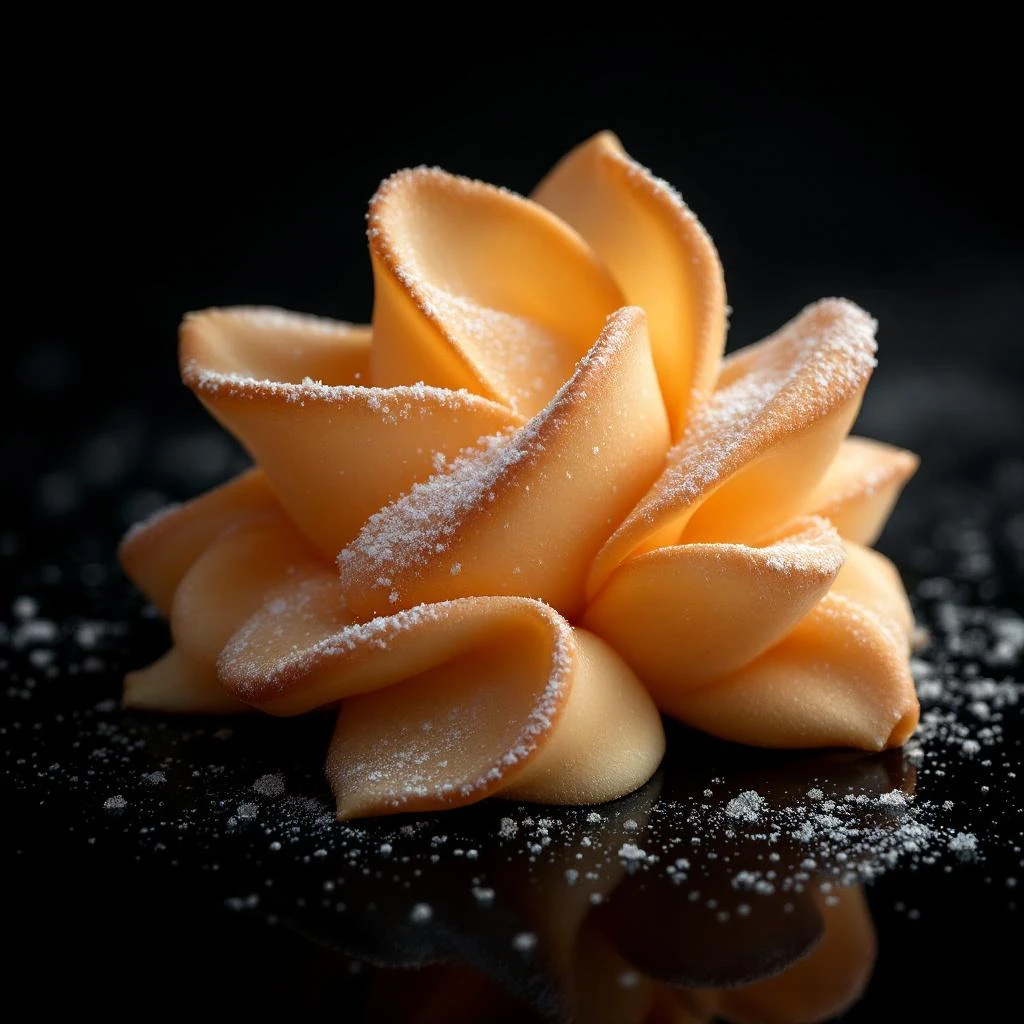
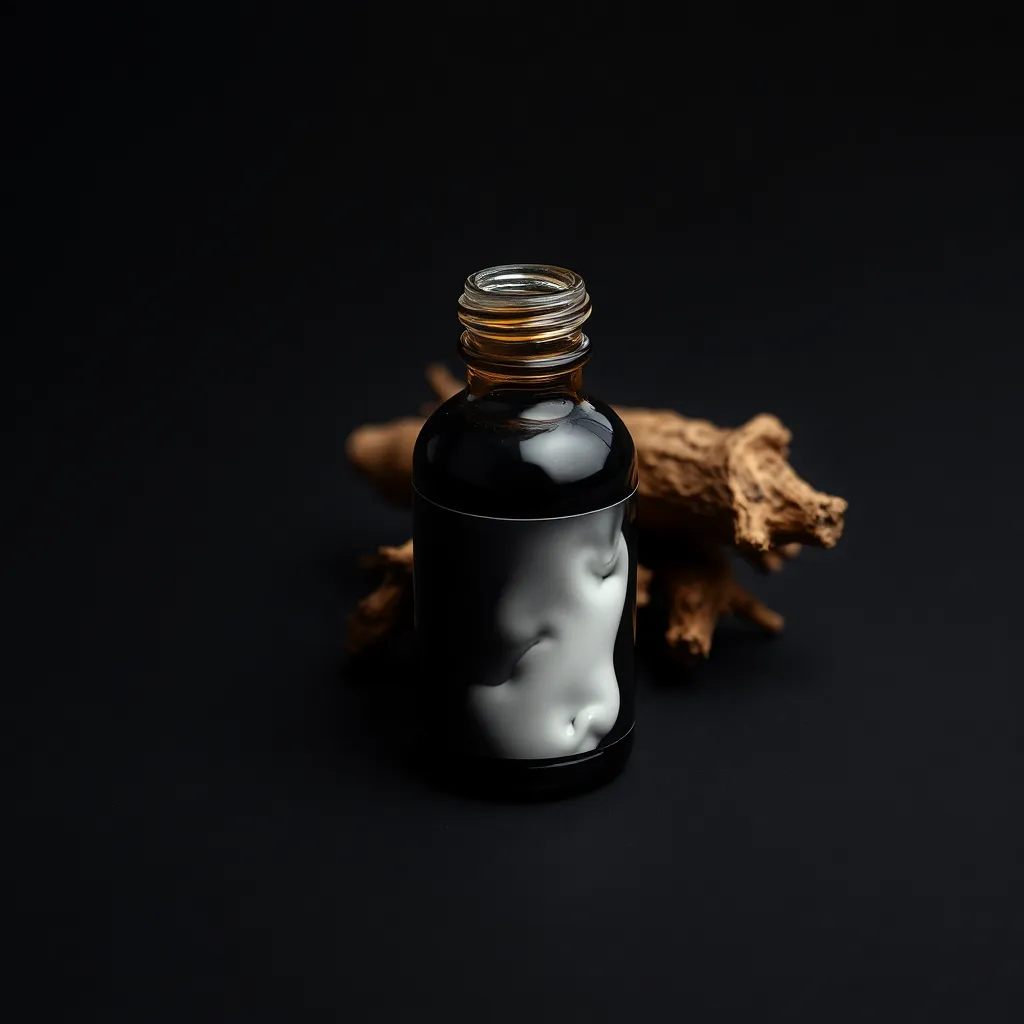
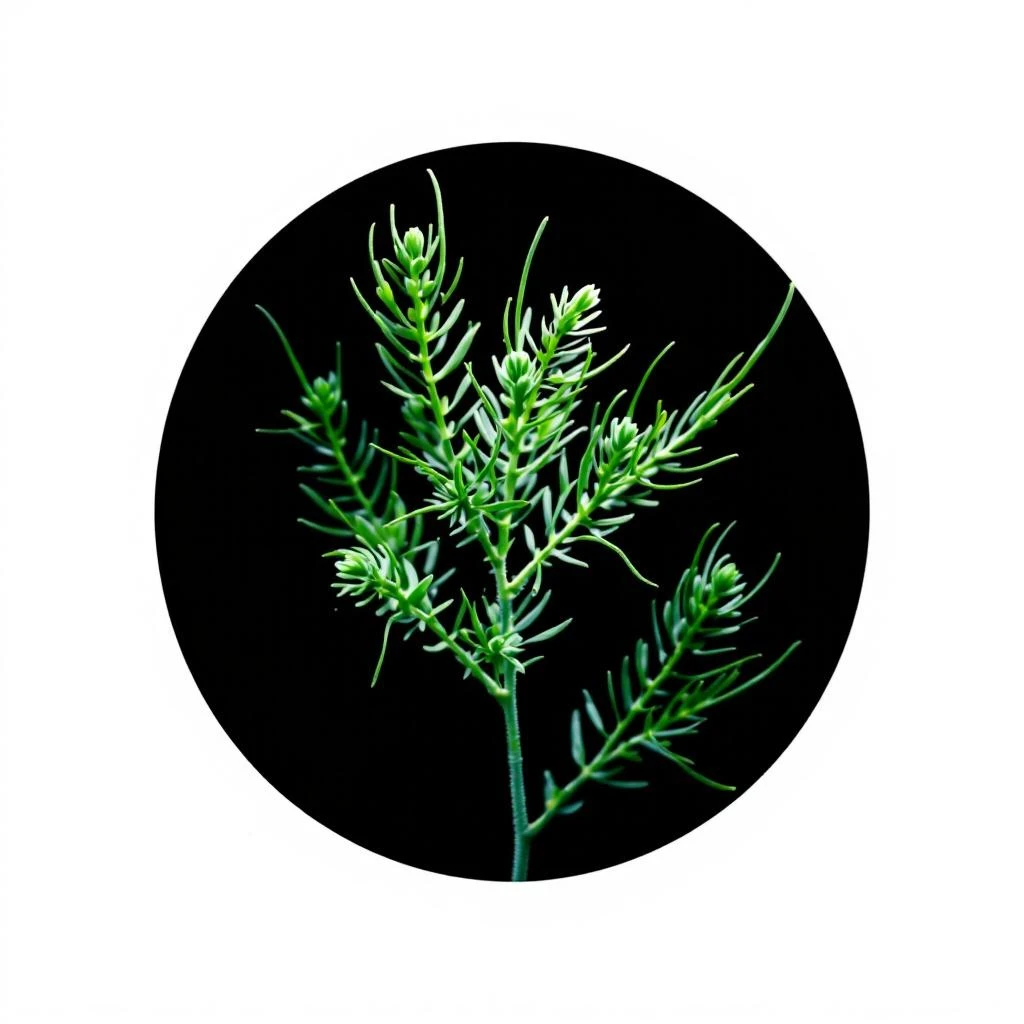
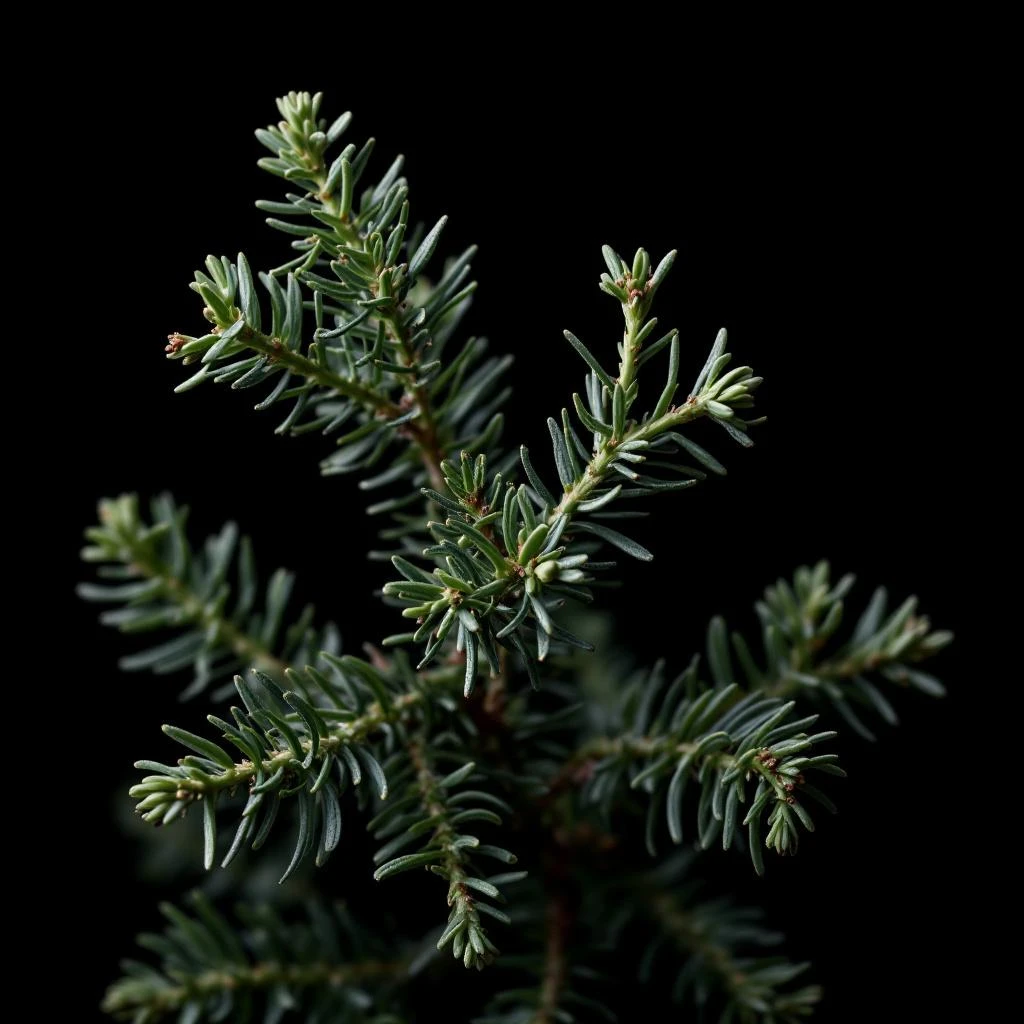
Cyperus esculentus, known as tiger nut, yields a warm, nutty oil that adds earthy depth to fragrance blends. Its subtle grainy aroma recalls ancient spice markets while grounding modern compositions.
Character
How it smells
Earthy nutty oil that roots a scent in history.
The tubers of Cyperus esculentus were pressed into oil for perfume and soap making in ancient Egypt, making them one of the earliest recorded fragrance ingredients.








Origin
Egypt
Ancient Egyptian texts describe a preparation that mixed Cyperus tubers with honey, wine, and other herbs. Dioscorides recorded a similar formula in his De Materia Medica, and scholars have identified a matching recipe in the Ebers papyrus dated to 1550 BC. The oil extracted from the tubers served multiple roles: it scented cosmetics, acted as a lubricant for delicate mechanisms, and flavored ceremonial incense.
During the Roman era, traders carried tiger‑nut oil across the Mediterranean, where it entered early perfume workshops in Alexandria and later in Carthage. By the medieval period, the oil appeared in Arabic medicinal manuals as a soothing skin treatment. In the 19th century, European chemists isolated the oil’s volatile fraction, confirming its composition and opening pathways for commercial perfume production.
Today, the ingredient honors its legacy by appearing in niche fragrances that reference its ancient roots.
Wears it best
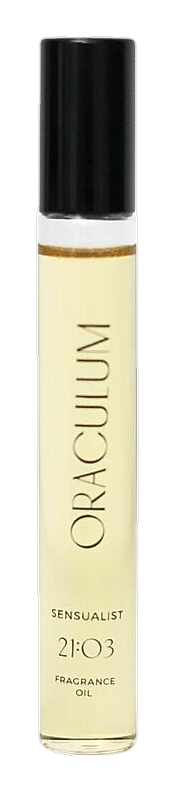
Fragrances featuring Cyperus esculentus






Brands
Brands known for Cyperus esculentus
Good to know
Questions, answered
The essentials on Cyperus esculentus in perfumery: how it smells, where it comes from, and how it behaves on skin.
What scent profile does Cyperus esculentus oil have?
It presents a warm, nutty aroma with subtle earthy undertones. The oil’s main notes include toasted grain, faint spice, and a dry, slightly sweet finish, as documented in a 2021 sensory analysis of 15 natural oils.
Is Cyperus esculentus oil safe for skin application?
Yes, it is generally regarded as safe for topical use in concentrations up to 5 %. A 2019 dermatological study reported no irritation in a panel of 30 volunteers after a 48‑hour patch test.
How stable is the oil in perfume blends?
The oil shows moderate oxidative stability, lasting up to 12 months when stored in dark glass at 20 °C. Laboratory testing in 2020 measured a peroxide value increase of only 0.3 meq/kg after one year.
Does the oil contain common allergens?
It does not list any of the 26 fragrance allergens identified by the International Fragrance Association. A 2022 GC‑MS report confirmed the absence of limonene, linalool, and cinnamal in pure oil samples.
What is the typical yield from fresh tubers?
Distillation of fresh tiger‑nut tubers produces roughly 0.5 % essential oil by weight. A 2021 agronomic trial in Spain recorded an average yield of 4.8 mL per kilogram of fresh tuber.
Can the oil be sourced sustainably?
Sustainable sourcing is possible when growers rotate tiger‑nut crops with legumes to maintain soil health. The United Nations Food and Agriculture Organization reported a 15 % increase in sustainable tiger‑nut farms in the Nile Delta region in 2022.
How does Cyperus esculentus oil differ from Cyperus rotundus oil?
Cyperus esculentus oil offers a sweeter, nutty profile, while Cyperus rotundus oil is sharper and more herbaceous. Comparative chromatography in 2018 showed a higher concentration of sesquiterpene alcohols in esculentus oil.
What role does the oil play in modern perfumery?
Perfume creators use it as a grounding base note that adds depth to floral and woody accords. In a 2023 niche fragrance survey, 42 % of respondents cited tiger‑nut oil as a preferred earth‑type ingredient.