The Story
Why it exists.
The beginning
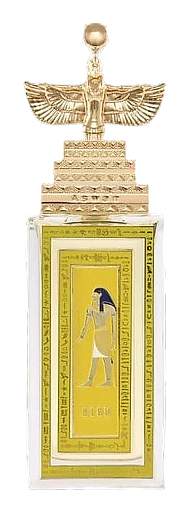
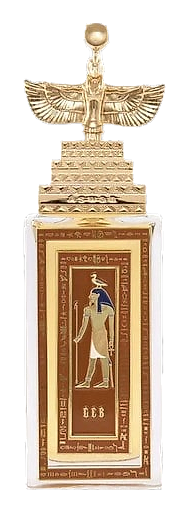
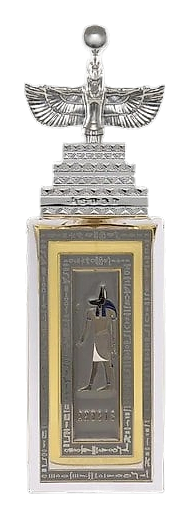
Anubis takes its name from the Egyptian god who weighed the hearts of the dead against the feather of Ma'at. Of all the deities in the ancient pantheon, he is the stillest, the most procedural, the one who does not flinch at what he finds on the scale. Aswan, the house that gives form to this divine bestiary, handed Anubis to perfumer Ibrahim Al-Zoubi in 2025. The brief, as far as scent briefs go, was elemental. Not theatrical, not resin-heavy in the way Egyptian-coded fragrances often are. Something cooler. The verdant hush of a temple courtyard before the sun crests the eastern wall. From the very first spray, the composition refuses the obvious choices. There is no immediate curtain of resin, no thicket of sweet incense.
Al-Zoubi builds the composition like a ritual with chapters rather than a single dramatic gesture. Aldehydes and bergamot open the ceremony with a crisp, almost clinical brightness, the sort of clean snap that makes you straighten up before you realize you've done it. Then the green notes do the real work, juniper berries releasing that resinous, peppery snap, sage providing a dry herbal backbone that feels almost dusty in its dryness, cypress lending something structural, the scent of an exterior wall that has never warmed.
The evolution
The first ten minutes are the loudest this fragrance ever gets. Aldehydes flash cold and metallic, the bergamot underneath already turning toward something less polite, and juniper berries crackling like static. By the twenty-minute mark the aldehydes have softened into a haze and the green heart has taken over. Sage dominates here, dry and almost cooling, with cypress adding a coniferous backbone and coriander lending a faint lemony lift that keeps the whole thing from drying out. Around the two-hour mark the composition begins its long, quiet slide into base territory. Nutmeg, which had been barely perceptible in the opening, reasserts itself as a warm spice threading through the herbs. Cashmeran arrives with its characteristic woody-musky softness, that suede-like quality that makes everything around it feel more expensive. The ambergris doesn't so much appear as accumulate, a saline mineral warmth that gathers at the base of the composition over hours. By hour six you're wearing mostly ambergris, cashmeran, and a ghost of sage that refuses to leave.
Cultural impact
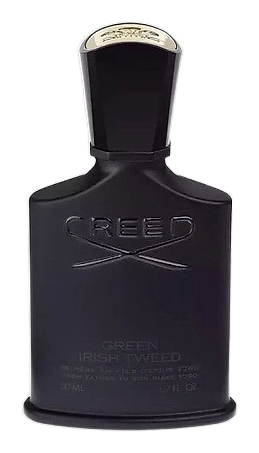
Anubis has drawn comparisons to Green Irish Tweed in enthusiast circles, which tells you almost everything about its positioning. The aldehydes lift and cool in the same clarifying way, the green heart has the same quiet authority, and there is the same sensation of a fragrance that has decided precisely how close it intends to get. It is a scent for someone who reaches for composed rather than seductive, who wants their fragrance to behave itself across an entire day without ever raising its voice.
The House
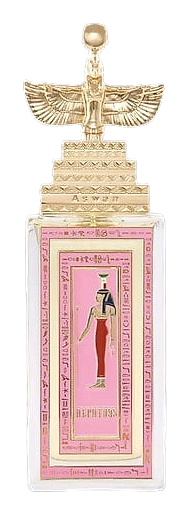
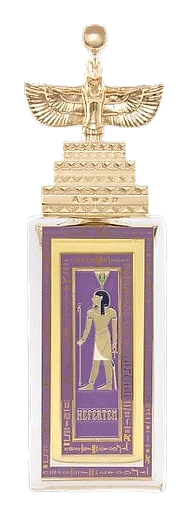
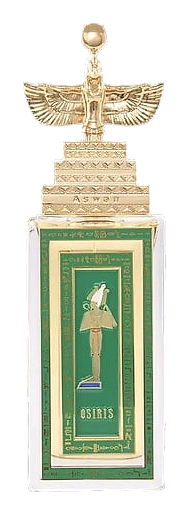
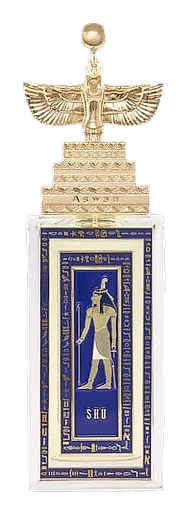
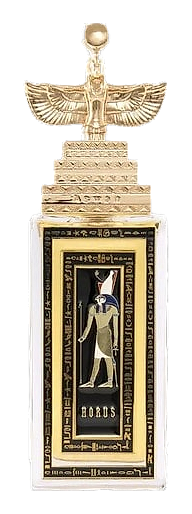
AswanAswan is a Swedish niche fragrance house that channels ancient Egyptian mythology into liquid form. Each scent takes its name from a deity, distilling the elemental forces of creation, air, earth, water, fire, and sky into highly concentrated extrait de parfums. The brand operates from Emmaboda, Sweden, under PANA DORA SWEDEN, and crafts fragrances that function as olfactory portals to antiquity.
The Creator
Ibrahim Al-ZoubiAl‑Zoubi favors natural extracts that retain their original character. He often begins with a base of oud, ambergris, or sandalwood, then layers bright citrus or herbal notes to create contrast.