The Story
Why it exists.
The beginning
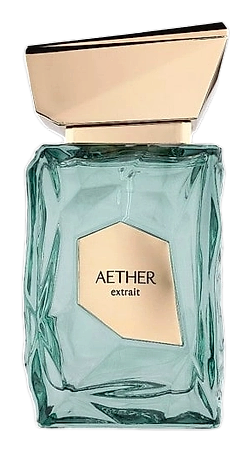
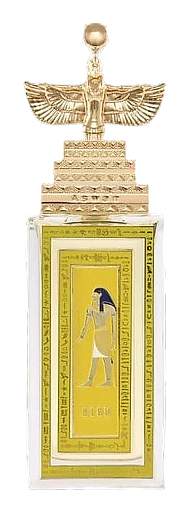
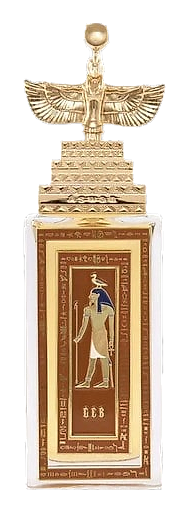
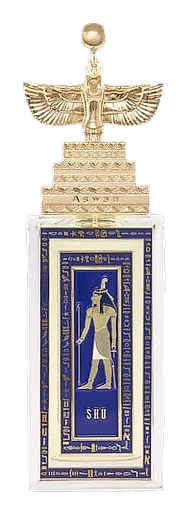
Shu takes its name from the ancient Egyptian god of air and sunlight, one of the nine deities of the Heliopolis cosmogony. Created by Atum, the self-created god, Shu was conjured from spittle and tasked with holding up the sky, separating Nut from Geb so the world as we know it could exist. He is air itself, warm and dry, the space between heaven and earth. This is the elemental force Aswan chose to translate for their 2025 release. Not the fire of Ra, not the flood of Hapi, but the invisible medium surrounding everything else. Perfumer Ibrahim Al-Zoubi composed Shu with a concentration that lets the composition carry itself: ozonic facets open the composition with a blast of cold, mineral brightness, almost like the charged air that follows a thunderstorm.
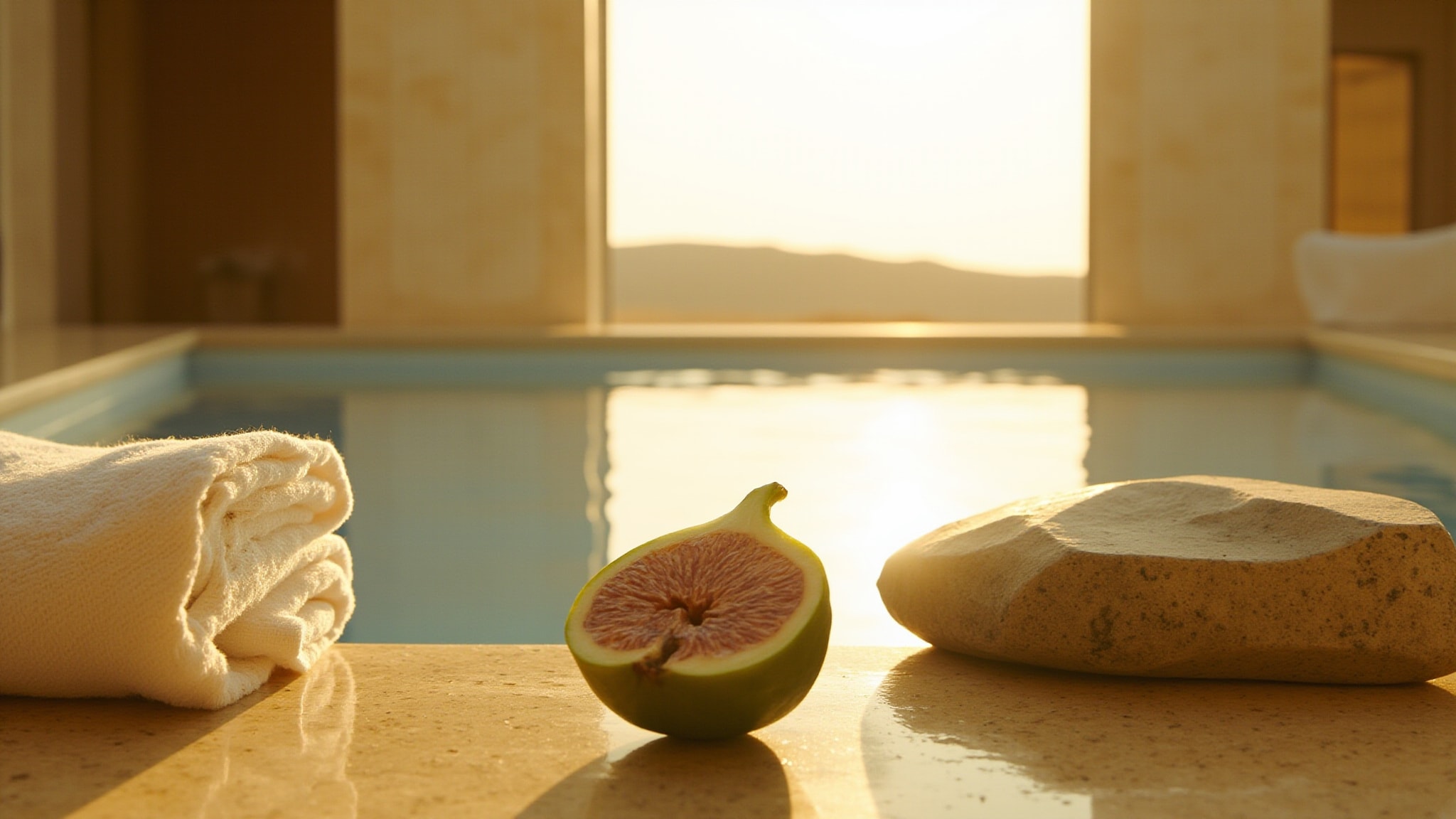
What makes Shu interesting technically is the friction between its airy top and its warm, resinous base. Ozonic notes and bergamot do the cool, mineral lift. Fig brings a green sweetness that reads almost vegetal, not jammy. Then sea notes arrive alongside solar facets, and the composition does something unusual: it gets brighter as it warms, not darker. Most aquatic-leaning fragrances pull cool and synthetic. Shu pulls warm and sunlit because the base is doing serious work. Amberwood, ambroxan, and labdanum anchor the drydown with a resinous, slightly ambergris-like warmth that gives the airy top something to settle into.
The evolution
The opening is the loudest Shu ever gets. Ozonic notes blast open with bergamot and petitgrain, creating this wide, mineral-cold rush that smells almost like ionized air after a storm. Clean, sharp, almost metallic. Anyone standing nearby in the early phase will catch it, present but not aggressive, the kind of sillage that fills a small room without announcing itself across a hallway. As the cold starts lifting, fig moves in, green and soft, and the sea notes surface alongside solar nuances that warm everything up. The ozonic opening doesn't vanish, it thins and recedes behind the fruit and the light. This is the phase where Shu smells most like itself: not aquatic, not gourmand, just bright and alive in a way that feels geological rather than synthetic.
Cultural impact
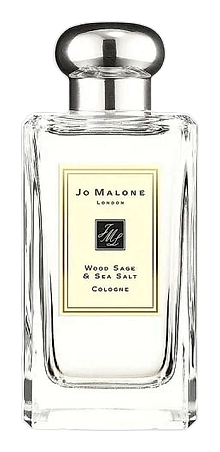
Shu sits in a crowded category of aquatic-aerospace fragrances, but its fig heart and solar warmth separate it from the usual cold-water crowd. Wearers compare it to Jo Malone's Wood Sage & Sea Salt for its herbal-fresh character, though the amberwood base gives Shu more staying power and a warmer arc. It reads less as a clean skin scent and more as weather, the kind of fragrance that smells like a specific quality of light rather than a specific moment.
The House
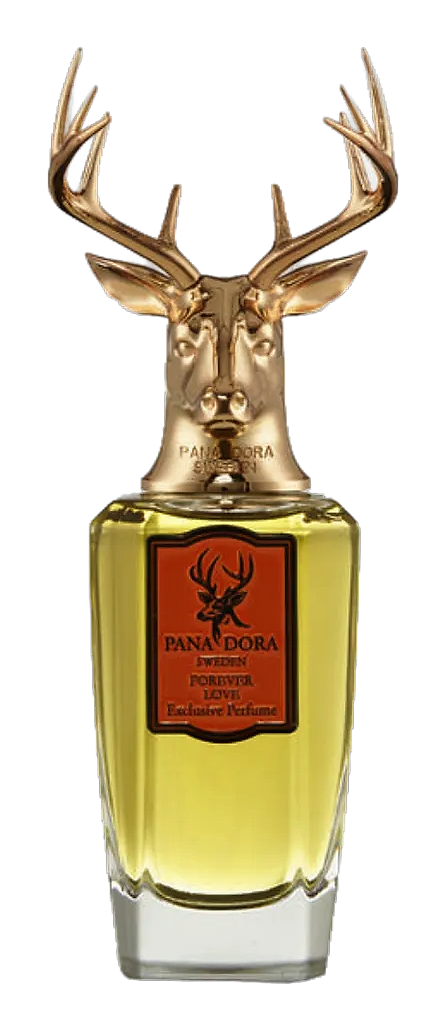
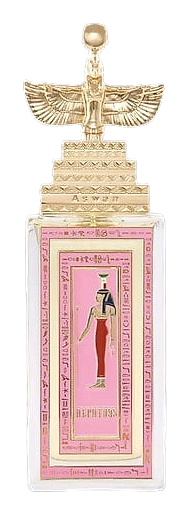
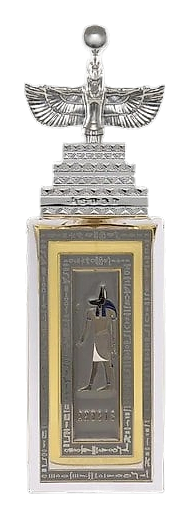
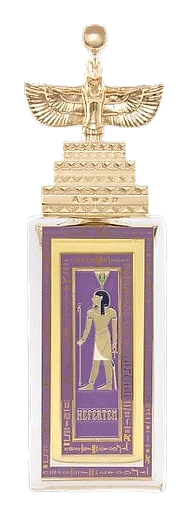
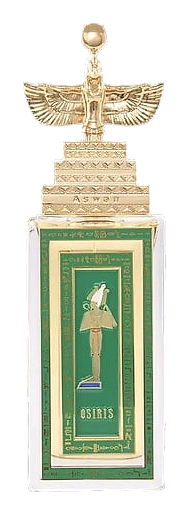
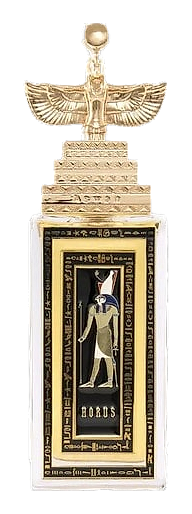
AswanAswan is a Swedish niche fragrance house that channels ancient Egyptian mythology into liquid form. Each scent takes its name from a deity, distilling the elemental forces of creation, air, earth, water, fire, and sky into highly concentrated extrait de parfums. The brand operates from Emmaboda, Sweden, under PANA DORA SWEDEN, and crafts fragrances that function as olfactory portals to antiquity.
The Creator
Ibrahim Al-ZoubiAl‑Zoubi favors natural extracts that retain their original character. He often begins with a base of oud, ambergris, or sandalwood, then layers bright citrus or herbal notes to create contrast.