The Story
Why it exists.
The beginning
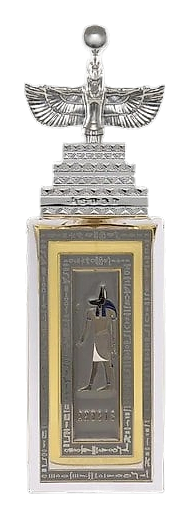
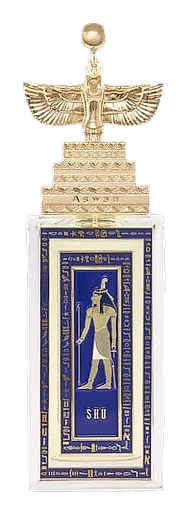
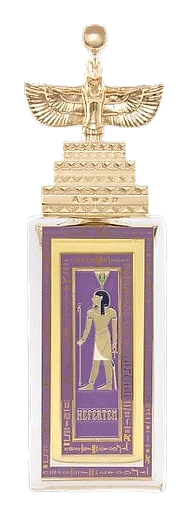
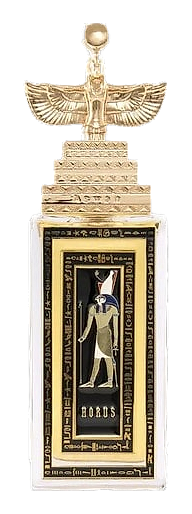
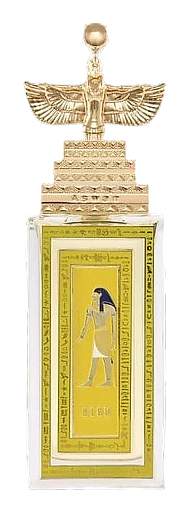
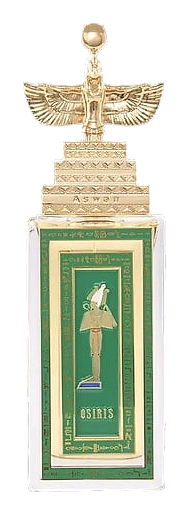
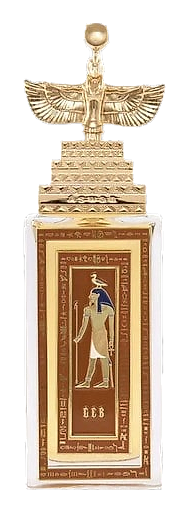
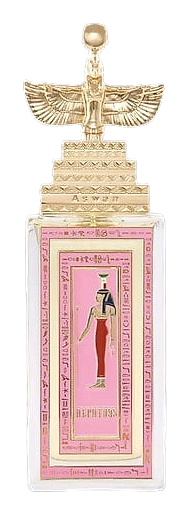
Nephthys is a 2025 composition from Aswan, the Swedish niche house that draws on the deities of ancient Egypt. The scent takes its name from Nephthys, a member of the Great Ennead of Heliopolis. She stood for death and rebirth, the sister who helped Isis piece Osiris back together. Guardian of the threshold between the living and the gone. Aswan's collection draws on figures from that pantheon, and Nephthys joins siblings like Anubis, Shu, Aset, Tefnut, Nefertem, Horus, Atum, Osiris, Set, Geb, and Nut in the line. The perfumer behind Nephthys is Ibrahim Al-Zoubi, who composed this as a powdery floral exploration of the goddess's quieter nature. The opening lifts with a bright, almost bitter grapefruit peel, dusted in iris and violet leaf, a cool shimmer that reads more like air than fruit.
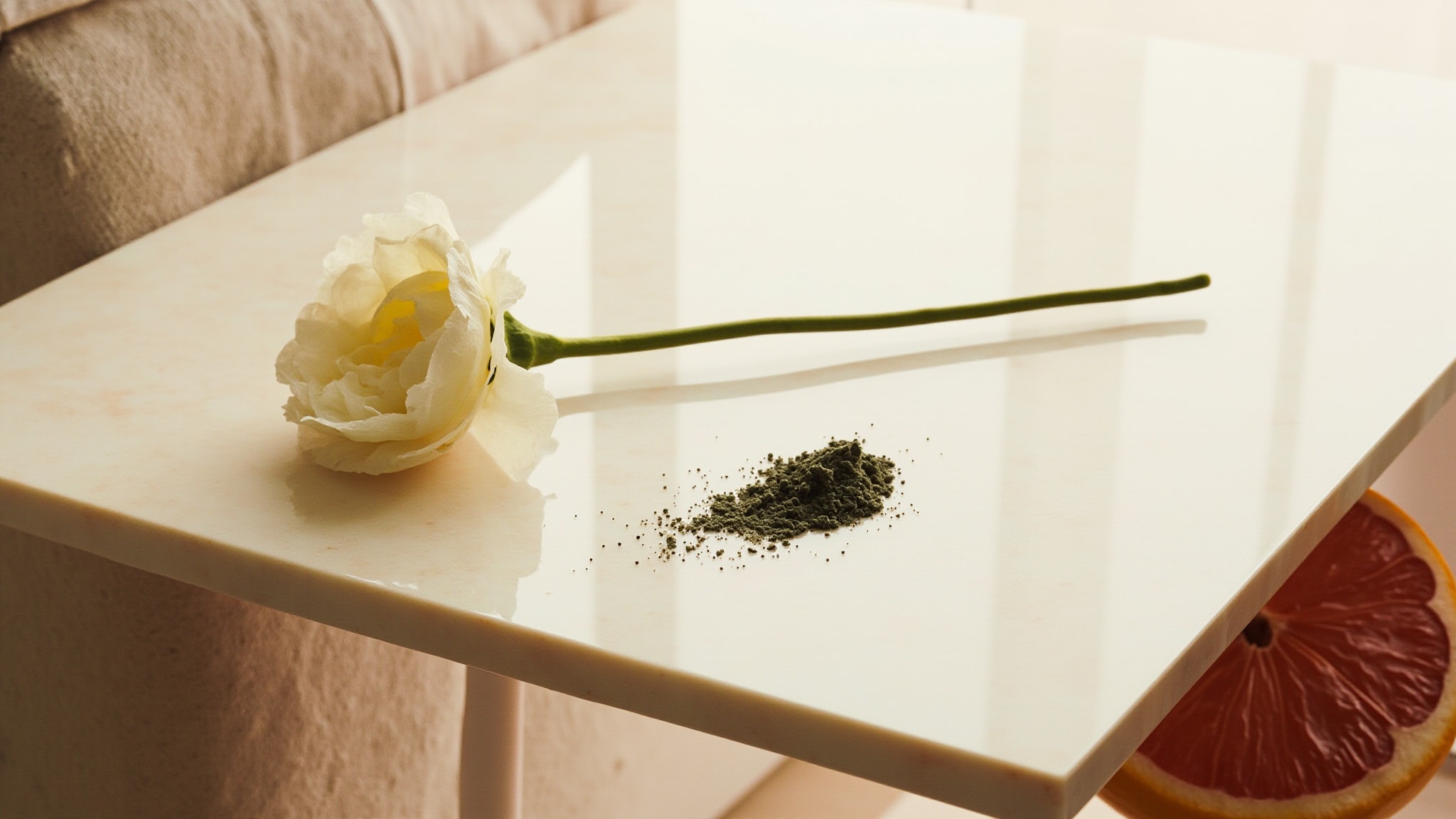
What's worth noticing is how Aswan handles florals here. Most powdery compositions lean on a single dominant material, iris, or violet, or that synthetic aldehyde softness. Nephthys stacks three: magnolia on top, tuberose and violet leaf through the middle, iris threading beneath. The result avoids the usual powder-puff effect. Instead you get a floral with backbone, structure from iris, sweetness from tuberose, a green edge from violet leaf that keeps everything honest. The grapefruit up top is doing more work than it looks like. It cuts the magnolia's creaminess, introduces a brightness that reads almost mineral before it fades. Without it, the whole composition would sink into the powder.
The evolution
The first thirty minutes are powder and grapefruit, with magnolia blooming underneath like something unfurling in slow motion. The grapefruit doesn't last long, maybe an hour, but what it leaves behind is a brighter version of the powder, like the difference between a closed drawer and an open window. There's a cool violet-leaf edge in there too, sharpening the sweetness so the opening reads crisp rather than syrupy. Then the heart takes over. Tuberose shows up heavy and creamy, but the violet leaf holds it back from going full white-flower bomb, giving the florals a green stem to bend around. The iris sits underneath everything, giving the whole composition a suede-like softness, the kind of powder that feels pressed into skin rather than dusted on top. This is the most floral the scent gets, and it stays here for a good three to four hours.
Cultural impact
Nephthys sits in powdery floral territory, a category that has held its own small but devoted audience for decades. The composition is dense in a classical way, closer in spirit to the heavier powdery florals of the late twentieth century than to the cleaner, skin-scented style that has come to dominate much of recent niche output. There's no marketing language here about reinventing anything. The fragrance simply executes an older template with care. The restraint is part of the appeal. The tuberose stays creamy instead of going indolic. The iris grounds the composition rather than ornamenting it. Nothing leans on a single showy material.
The House
AswanAswan is a Swedish niche fragrance house that channels ancient Egyptian mythology into liquid form. Each scent takes its name from a deity, distilling the elemental forces of creation, air, earth, water, fire, and sky into highly concentrated extrait de parfums. The brand operates from Emmaboda, Sweden, under PANA DORA SWEDEN, and crafts fragrances that function as olfactory portals to antiquity.
The Creator
Ibrahim Al-ZoubiAl‑Zoubi favors natural extracts that retain their original character. He often begins with a base of oud, ambergris, or sandalwood, then layers bright citrus or herbal notes to create contrast.