The Story
Why it exists.
The beginning
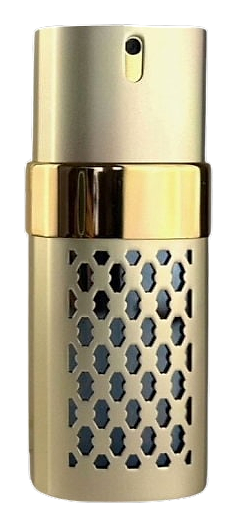
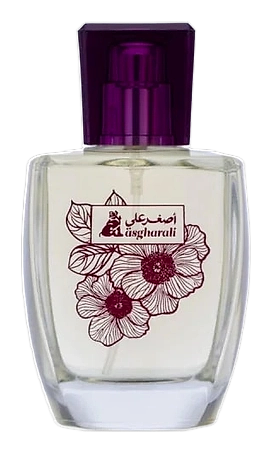
Afnan arrived in 2009 from Asgharali, the Bahrain-based house founded in 1924 on generations of attar-making expertise. Perfumer Asghar Adam Ali designed this scent specifically to bridge the house's traditional roots with contemporary global tastes, producing a fragrance that carries Arabian authenticity while remaining accessible to collectors unfamiliar with bakhoor conventions. The perfumer's intent was to create something that respected heritage without replicating it verbatim, positioning Afnan as a statement of evolution rather than nostalgia.
The note selection reflects a deliberate philosophy: frankincense and oud reference the smoky, resinous tradition central to Arabian attar-making, while iris and vanilla introduce elements drawn from Western perfumery traditions. This combination allows wearers familiar with either camp to find familiar territory within Afnan. The pairing of rose with musk and sandalwood with amber mirrors classical Western construction, giving the house a bridge into global markets without abandoning the heritage that defines Asgharali's identity.
The evolution
The opening burst of frankincense, iris, and saffron sets an immediate tone of ceremony and intention. Frankincense supplies the spiritual depth expected of traditional Arabian perfumery, while iris lends an unexpected softness that prevents the opening from feeling purely masculine. Saffron bridges these two, adding spice that keeps the top lively. As the heart develops, musk becomes the vehicle for rose and vanilla, transforming the initial gravitas into something warmer and more personal. The drydown then reasserts structure through amber and oud, with sandalwood providing a creamy counterpoint that ensures the final impression remains approachable rather than stark. This arc moves from public performance to intimate closeness, making Afnan a fragrance that changes character as the hours pass.
Cultural impact
Since its 2009 debut, Afnan has become a quiet favorite among enthusiasts of Middle Eastern florals, praised for marrying incense heritage with a modern rose-centric heart. Collectors often cite its balanced drydown as a bridge between classic bakhoor aromas and contemporary niche perfumery, making it a staple in regional fragrance wardrobes and a reference point for new attar-inspired releases.