The Story
Why it exists.
The beginning
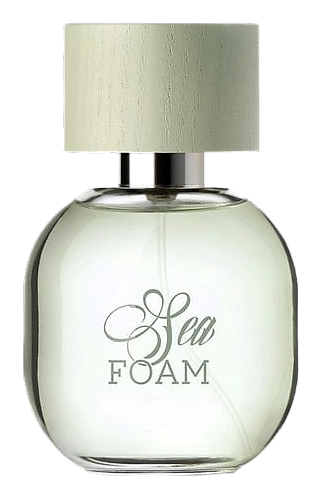
Sea Foam arrived in 2016, and the brief was deceptively hard: capture the British coast without leaning on candy-calmon sweetness that flattens most aquatic fragrances. Wait, strike that. The brief was simpler than expected. Seaweed absolute, the real material, not a synthetic stand-in, anchors the composition. It's an unusual note, briny and unpredictable on paper, sometimes flat-out weird. The result is less spa day and more North Atlantic in July. The name tells you what's coming: foam, not sea. That distinction matters. Foam is the edge where water meets something solid. It's texture, not just temperature. Sea Foam is built around that collision. On skin, that opening wave of citrus and green leaves feels like stepping onto wet stone at low tide.
What makes this composition worth a second look is the fig leaf. Not fig fruit, the sweet Mediterranean kind, but fig leaf, which is green, milky, and slightly bitter. It's a note that reads almost vegetal in the heart, sitting between the seaweed absolute's marine minerality and guaiac wood's smoky warmth. Sea Foam stacks sandalwood, driftwood, sea salt, ambroxan, frankincense, patchouli, and vetiver into its base. That's a lot of wood for something calling itself a sea scent.
The evolution
The first fifteen minutes are all atmosphere. Bergamot and bay leaf cut through cold, then the aquatic notes arrive, and for a moment it's almost too literal, almost sunscreen-adjacent. Then the fig leaf shows up and the composition pivots. The green, latex-like quality of fig leaf mixed with seaweed absolute reads as kelp drying on hot rock. Guaiac wood adds smoke without heat. By the two-hour mark, the salt has fully integrated. It doesn't smell like salt anymore. It smells like skin that has salt on it. The drydown, which kicks in around hour three, is where Sea Foam earns its reputation. Sandalwood and driftwood take over, but they're filtered through the marine notes that came before, so the wood never feels landlocked. Ambroxan and frankincense add a low incense hum that lasts. On fabric the next morning, it's mostly the woods and a faint salt trace.
Cultural impact
Sea Foam sits within a small company of serious aquatic fragrances. Wearers describe it in coastal terms: rocky shorelines, salty spray, driftwood on cold sand. The appeal is specific, and it draws a particular kind of buyer. This is a fragrance for people who want to smell like a place, not a product, and who find the typical male or female aquatic either too synthetic or too sweet to bother with. The seaweed absolute at its core is the reason. It reads as ingredient rather than effect, which puts off some casual buyers and pulls in enthusiasts who want to smell the perfumer's hand in the work.