The Story
Why it exists.
The beginning
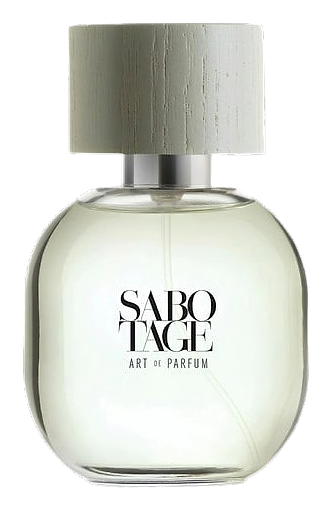
Sabotage takes its name seriously. Not from the verb's chaos, but from its intent, the act of dismantling something expected to build it back better. Art de Parfum launched this in 2023 as a direct challenge to what a citrus fragrance could be. Where most reach for freshness and stop there, Sabotage keeps going. The brief read like a manifesto: late afternoons, the stereo at that perfect low volume, a Negroni sweating on the side table, and the kind of unbothered confidence that arrives after you've stopped trying to impress anyone. That specific 90s energy, not the decade's excess, but its quiet self-assurance, became the compass. The house took their fruity-floral framework and subverted it into an extrait de parfum, giving it the concentration to last while keeping the green, sharp character intact. What emerged doesn't apologize for what it is: bold, a little herbal, citrus that bites back.
The decision to build around bitter orange, rhubarb, and wormwood is what makes Sabotage work. Bitter orange isn't the sweet orange of summer fragrances, it's the pith, the peel, the part that makes your mouth tense. Rhubarb adds a green tartness that isn't quite fruit, isn't quite vegetable, sits in that ambiguous space where the nose has to recalibrate. Then there's wormwood: the same botanical that gives absinthe its sharp, medicinal edge. Most fruity-florals avoid this territory entirely. Here, it's load-bearing. The heart adds basil, herbal, almost savory, and tuberose, but keeps both restrained so the composition never tips into sweet territory.
The evolution
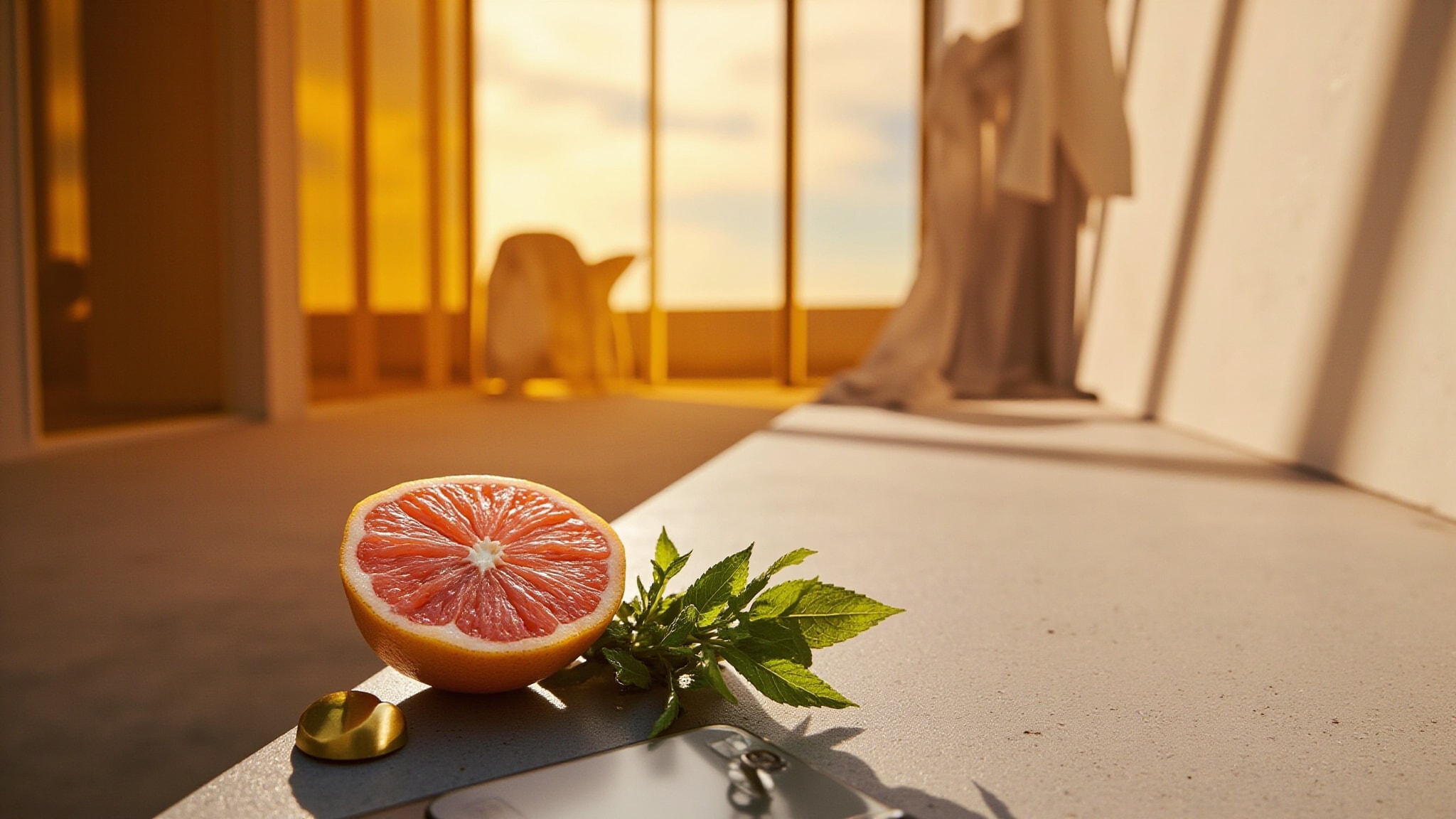
The opening hits like a bartender's garnish, bright, purposeful, there to signal something is about to happen. Bitter orange and pink grapefruit arrive with a tartness that mint only partially softens. Mandarin adds a little sweetness, but it's competing with the bitter edge. For the first twenty to thirty minutes, Sabotage is all about that citrus-bitter-herbal tension. Then the heart takes over. The rhubarb sourness emerges as the citrus recedes, with basil and petitgrain providing the green backbone. The wormwood is the tell, a slight medicinal quality that arrives right around the forty-five minute mark and stays for the next couple hours. Tuberose shows up as a cool, slightly waxy presence rather than the heady floral of other fragrances. It tempers the herbs without overwhelming them. The drydown is where Sabotage earns its extrait status. White musk and cedar create a clean base that keeps the fragrance present for six to eight hours on most skin types. Moss adds an earthy undertone, patchouli a quiet woodiness.
Cultural impact
Sabotage exists in the lineage of independent fragrances that treat citrus as a starting point rather than a destination. The 90s reference isn't nostalgia for a decade's excess, but for its specific kind of confidence, the unbothered energy of people who'd stopped trying to prove anything. In the current fragrance landscape, where citrus often signals safe or summery, Sabotage takes a curatorial risk: it smells like someone who knows exactly what they want and isn't particularly concerned if you agree.