The Story
Why it exists.
The beginning
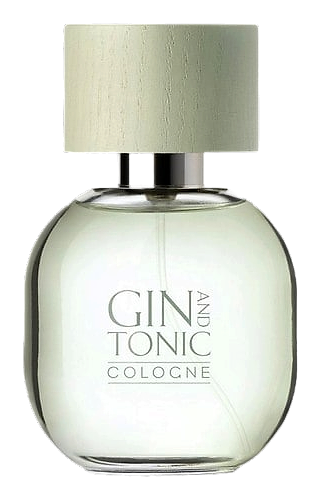
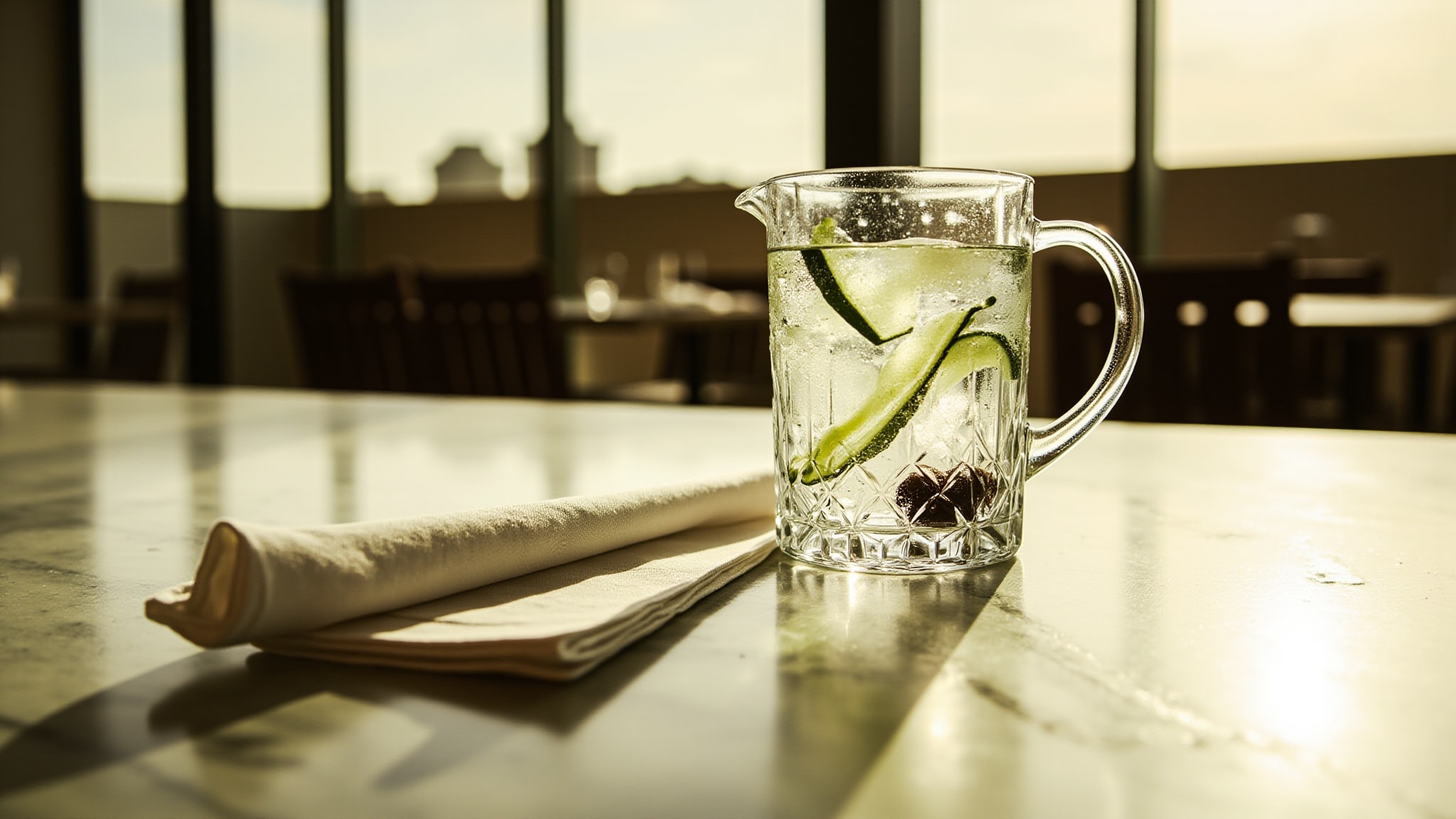
The name says it all. The scent captures a moment so thoroughly English it's almost a caricature, Wimbledon, summer, a glass sweating beads of condensation on the warm rail of a centre court seat. White linen. Cucumber sandwiches, no crusts. An ice-cold gin and tonic that smells like the first sip on a day when the heat is relentless and there's nowhere else to be. Art de Parfum didn't try to improve on the original. They translated it into something you can wear. The name is the brief, and the brief is exacting, this must smell like the drink, not like a memory of the drink. Juniper and citrus do the work of the gin and tonic; cucumber peel does the work of the ice. The result is a fragrance that functions as both a sensory experience and a time machine. Pour it on, and you're there. That summer afternoon. That specific light. The exact temperature where cold glass meets warm hands.
The structure is elegant in its simplicity, juniper opens the composition and returns in the drydown, threading the entire fragrance into a single coherent story rather than a series of unrelated phases. The gin and tonic accord in the heart is the conceptual anchor: it gives permission for citrus and bitter aromatic notes to coexist without fighting, because that's exactly what they do in the drink itself. What makes this composition unusual is its insistence on freshness without sacrificing depth. The base, ambergris, white musk, cedarwood, provides warmth and a slightly saline aquatic quality that keeps the drydown from reading as simply green.
The evolution
The first fifteen minutes are an event. Juniper and citrus hit cold and sharp, this is the gin, the bite, the moment the glass touches your lips. Lemon zest and grapefruit peel arrive in quick succession, bright and slightly bitter in the way that makes tonic water taste like tonic water. Then the cucumber appears, and everything shifts. Not a dramatic change, more like the moment the ice begins to melt. The heart is where this fragrance earns its extrait label. Where most fresh scents begin to fade by hour two, Gin and Tonic Cologne settles into something more sustained. The gin accord persists alongside grapefruit's bitter warmth and the cool aquatic edge of cucumber water. As the base begins its slow emergence, cedarwood and vetiver arrive together, grounded by white musks that add a clean, skin-like warmth without ever becoming sweet.
Cultural impact
Since its 2016 launch, Gin and Tonic Cologne has earned recognition as one of the most serious attempts at the cocktail-fragrance concept. The juniper is precise, the cucumber is real, the drydown holds long enough to prove a point. It's not trying to smell like a fragrance inspired by gin. It's trying to smell like gin, and largely succeeds. The extrait de parfum concentration gives it a longevity advantage over competitors in the same conceptual space.