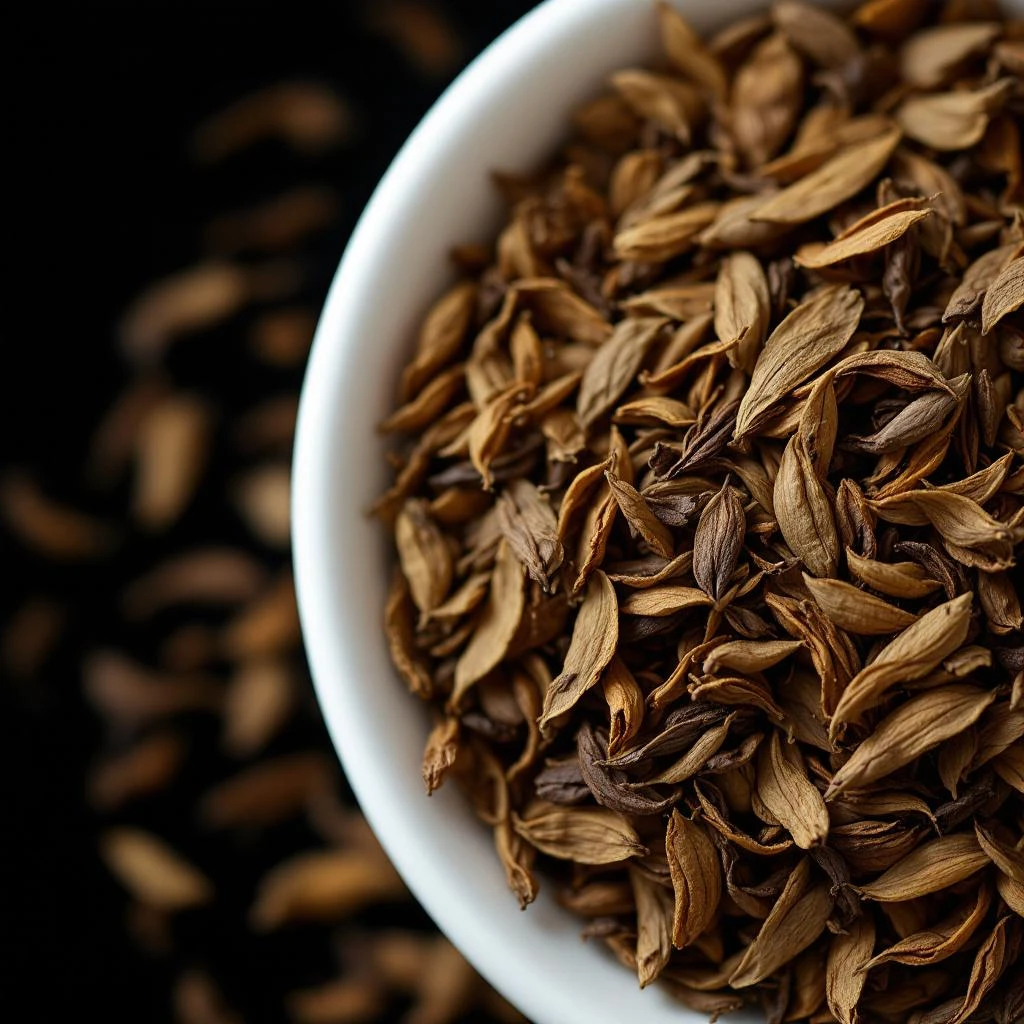
Cucumber Peel
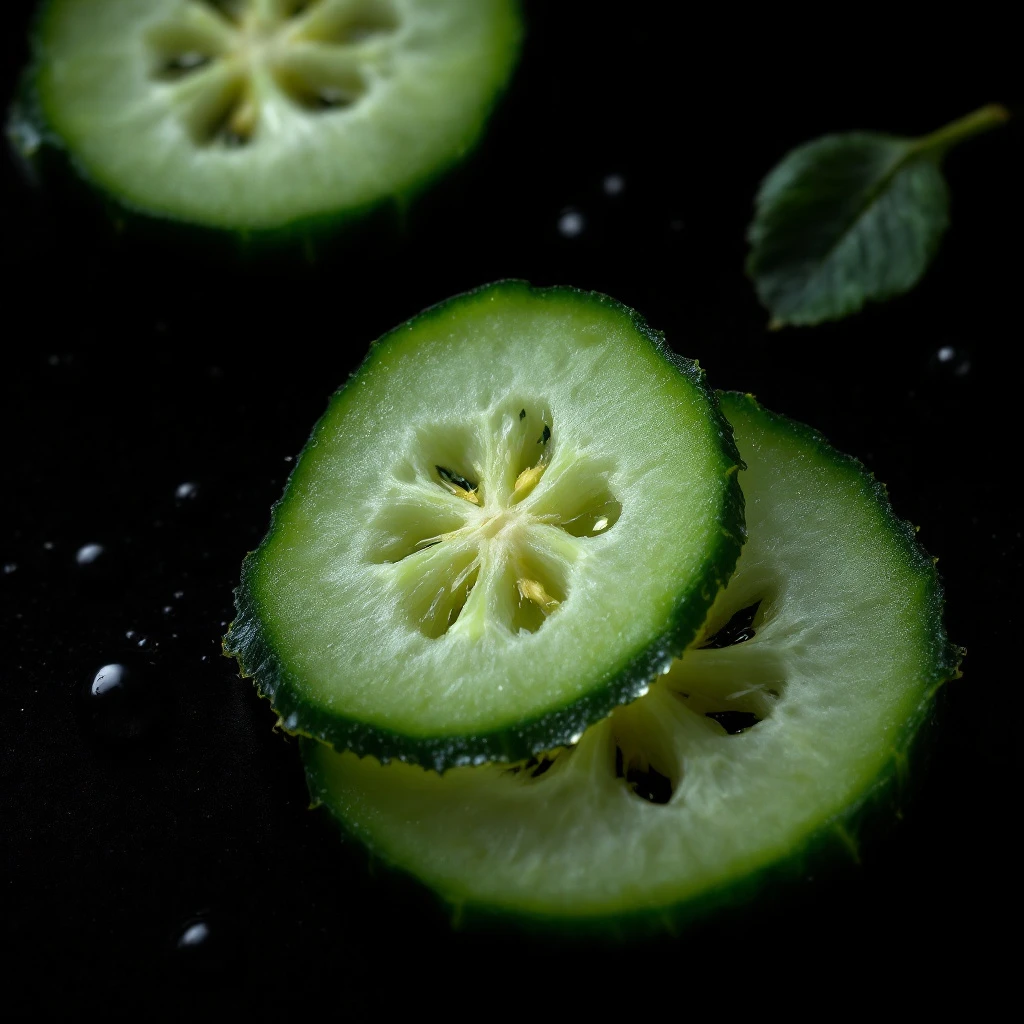
Cucumber peel delivers a crisp, green freshness with cool, watery clarity. Its slightly bitter edge and natural garden character add unexpected dimension to fragrances, creating a sensation of morning dew on garden vines.
Character
How it smells
Cool, green, garden-fresh with watery clarity.
Firmenich and Givaudan pioneered synthetic cucumber aldehyde in the 1970s, transforming how perfumers capture this fresh note.





Origin
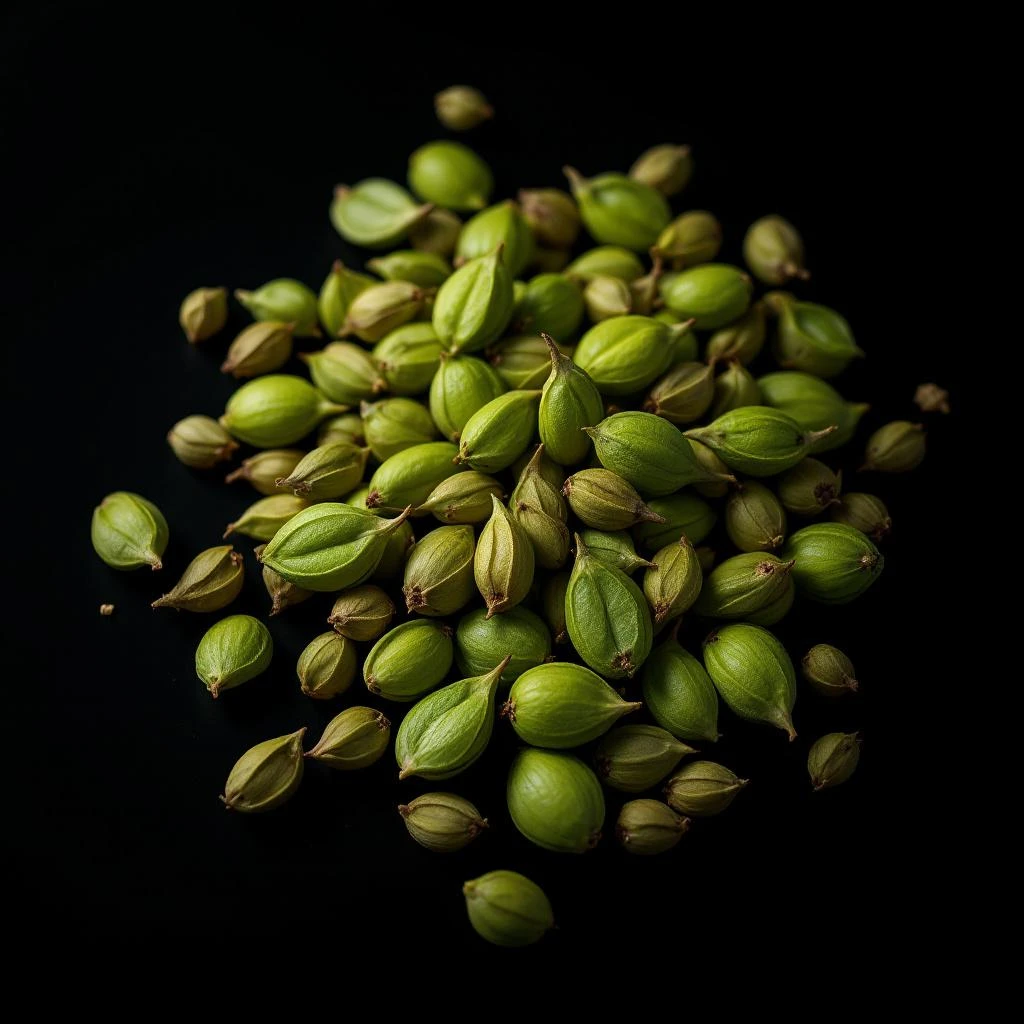
India
While cucumbers themselves have been cultivated for over 3,000 years in India before spreading through the Mediterranean, cucumber peel as a perfumery ingredient is remarkably recent. Ancient civilizations used cucumber for food and topical applications, but its aromatic potential remained unexplored in fragrance. The breakthrough came in the 1970s when Firmenich and Givaudan developed synthetic cucumber aldehyde, giving perfumers reliable access to this fresh, green character.
This innovation arrived during a period when perfumery was actively expanding its palette of fresh, natural-smelling ingredients. Today, cucumber peel and its synthetic counterpart appear across fine fragrances, particularly in aquatic, green, and fresh chypre compositions where their cool, watery quality adds distinctive character.
Wears it best
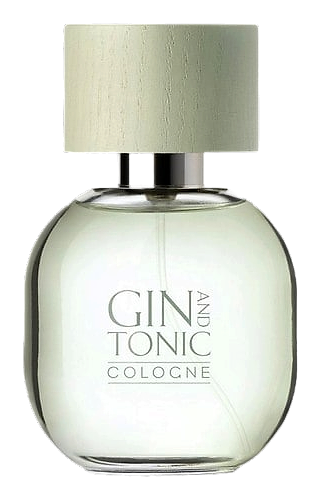
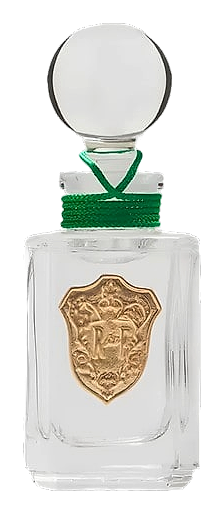
Fragrances featuring Cucumber Peel
Brands
Brands known for Cucumber Peel
Good to know
Questions, answered
The essentials on Cucumber Peel in perfumery: how it smells, where it comes from, and how it behaves on skin.
What does cucumber peel smell like in perfume?
Cucumber peel adds a crisp, green freshness with cool, watery clarity and a subtle bitter edge reminiscent of garden vines and morning dew.
How is cucumber peel extracted for perfumery?
Fresh cucumber peel is macerated in grain alcohol, then undergoes hydro-alcoholic extraction to concentrate the aromatic compounds responsible for its characteristic green scent.
When did cucumber aldehyde first appear in perfumery?
Synthetic cucumber aldehyde entered perfumery in the 1970s through Firmenich and Givaudan, making this fresh note widely accessible to fragrance creators.
Does cucumber peel hold its scent well in formulations?
Cucumber peel compounds are moderately tenacious, performing best as a top and heart note where their fresh, cooling effect supports the fragrance opening.
What ingredients pair well with cucumber peel?
Cucumber peel complements aquatic notes, white musks, light florals like lily and peony, and green herbs including basil and mint.
What is the difference between natural cucumber extract and synthetic cucumber aldehyde?
Natural cucumber peel extract uses hydro-alcoholic extraction for an authentic, complex green profile, while synthetic cucumber aldehyde offers consistent, concentrated freshness at lower cost.
Which fragrance families commonly use cucumber peel?
Fresh aquatic, green chypre, and modern fougere compositions most frequently feature cucumber peel for its cooling, garden-fresh effect.
Is cucumber peel considered a natural or synthetic ingredient?
Both forms exist: natural cucumber peel extract from hydro-alcoholic extraction, and synthetic cucumber aldehyde developed in the 1970s by major fragrance houses.