Gin tonic
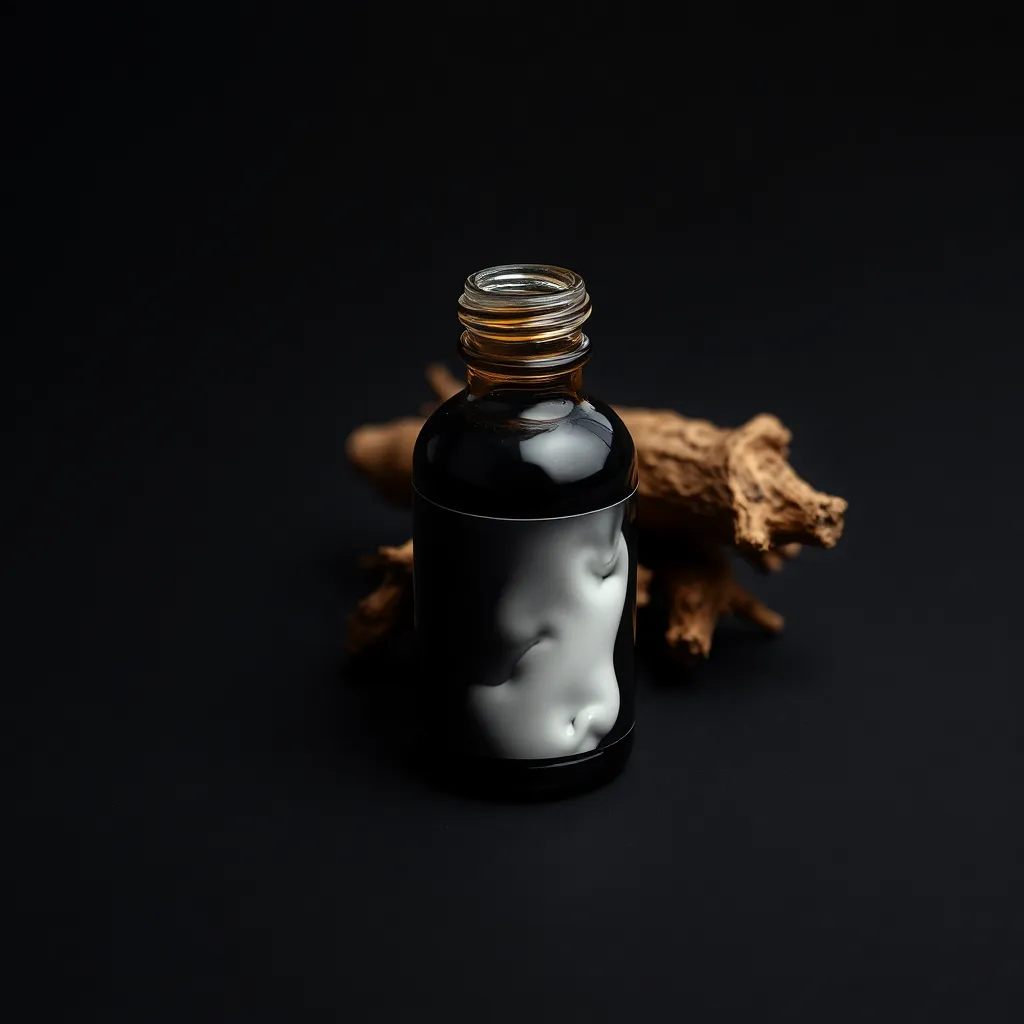
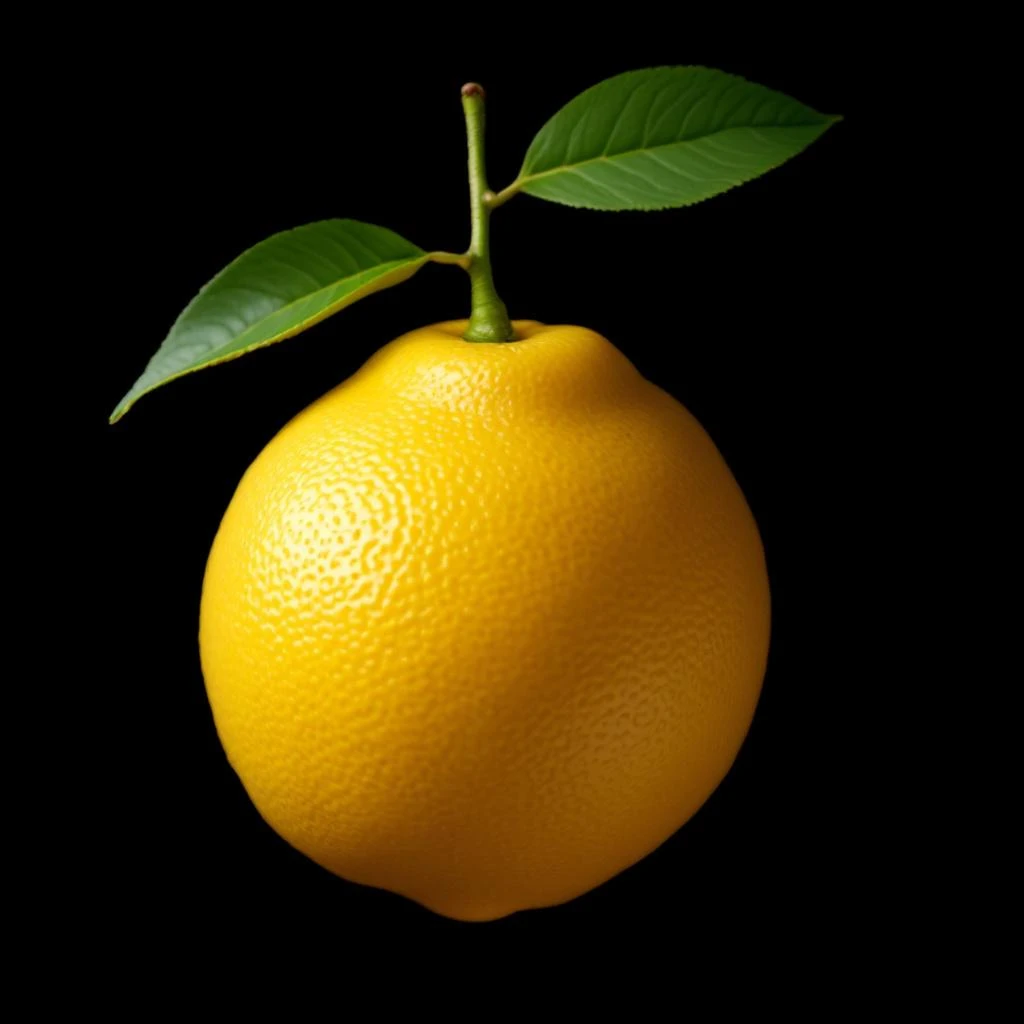
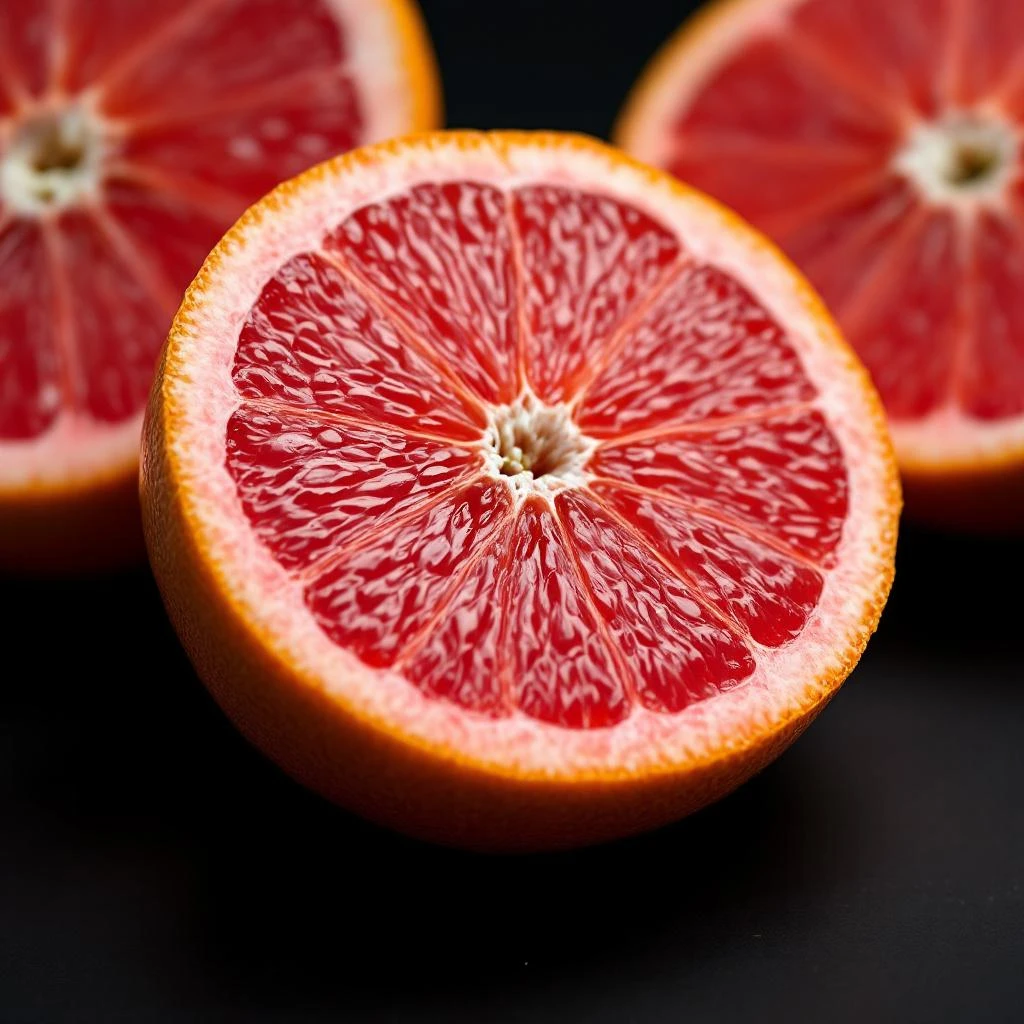
Gin tonic captures the crisp bite of juniper, bright citrus, and a whisper of quinine, translating a classic cocktail into a clean, invigorating fragrance note.

Character
How it smells
Botanical crispness meets cocktail elegance.
Juniper berries used for gin contain up to 2 % essential oil, a concentration higher than most citrus peels, giving the note its distinctive pine‑sharp edge.







Origin
Netherlands
The gin tonic scent traces its roots to the 17th‑century Dutch spirit jenever, a grain‑based liquor flavored with juniper. British officers in colonial India mixed the spirit with quinine‑infused tonic water to mask the bitter medicine, birthing the iconic cocktail in the early 1800s. By the 1920s the drink entered fashionable London clubs, where its crisp profile inspired early perfume experiments.
In the late 20th century, niche houses began translating the cocktail’s balance of botanicals into fragrance, using authentic extracts rather than synthetic imitations. Today the note appears in both masculine and unisex compositions, celebrated for its ability to evoke a moment of refined refreshment while honoring centuries of botanical tradition.
Wears it best
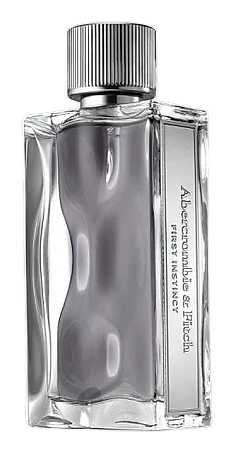
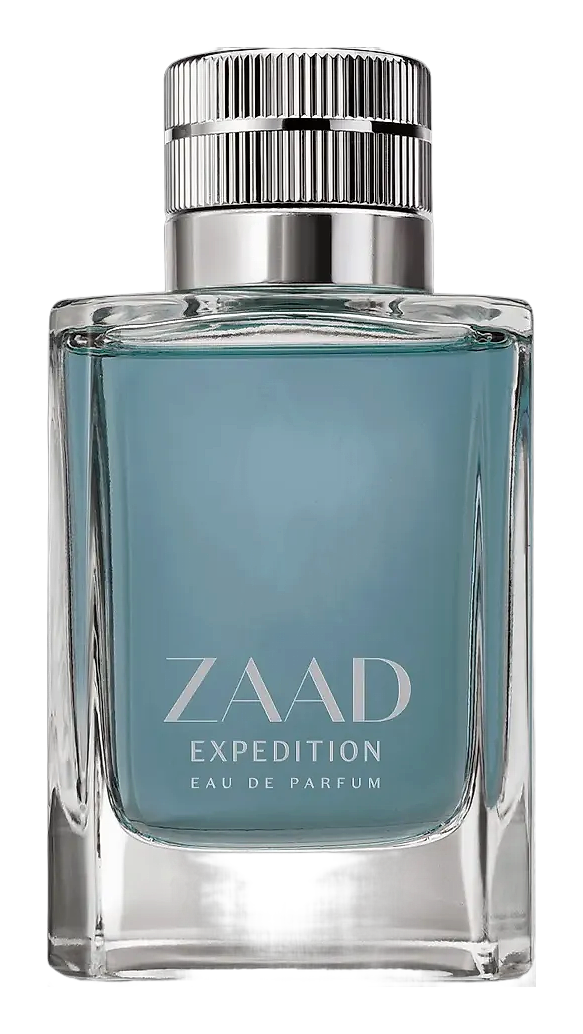
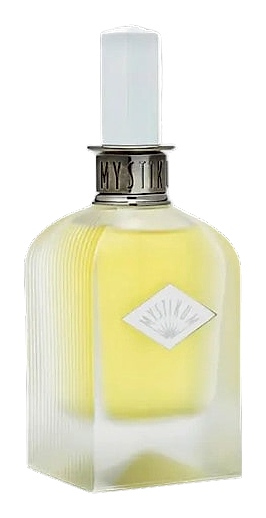
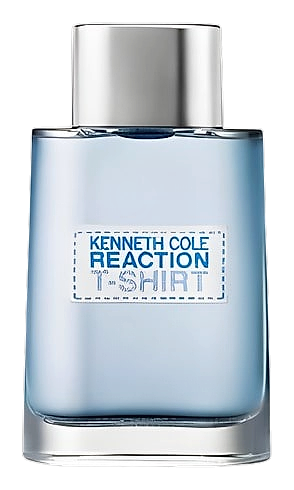
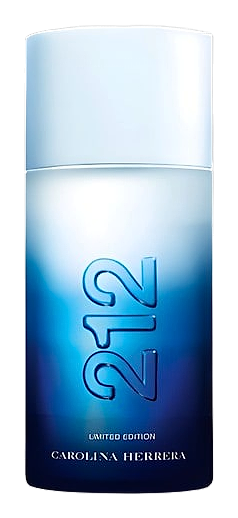
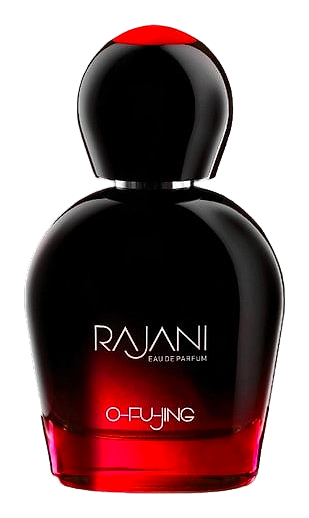
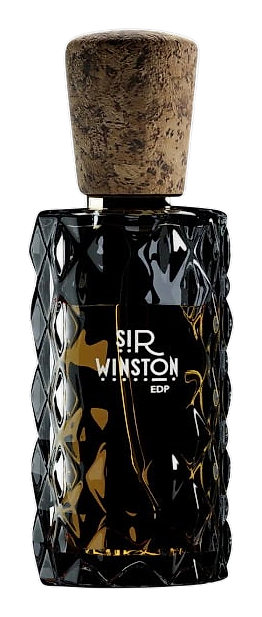
Fragrances featuring Gin tonic
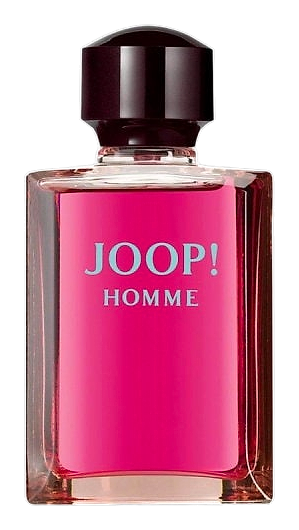
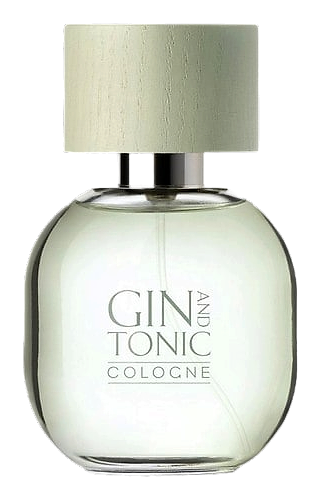
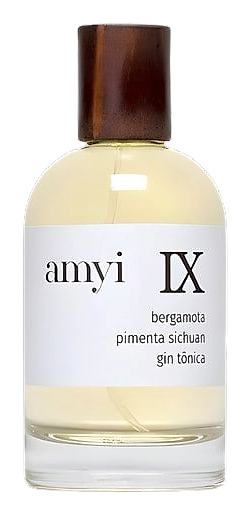
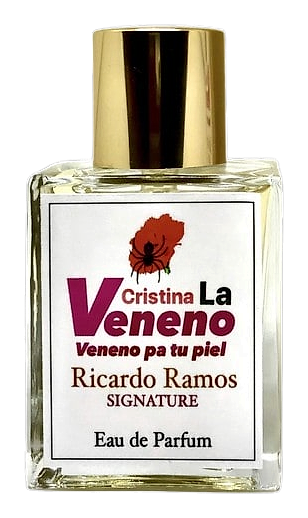

Brands
Brands known for Gin tonic
Good to know
Questions, answered
The essentials on Gin tonic in perfumery: how it smells, where it comes from, and how it behaves on skin.
What primary botanical gives gin its signature aroma?
Juniper berries provide the core aroma of gin. They release a pine‑sharp, resinous scent that defines the note. In 2022 the Netherlands harvested roughly 1,200 metric tons of juniper berries for flavor and fragrance use, preserving their high oil content.
How does quinine influence the scent profile of gin tonic?
Quinine adds a bitter, metallic edge that balances the bright botanicals. It originates from the bark of Cinchona trees and contributes a subtle medicinal nuance. A 2021 analysis measured quinine concentration at 0.5 % in standard gin tonic extracts, ensuring a restrained bitterness.
Can gin tonic note be created from natural extracts alone?
Natural extracts can reproduce the gin tonic profile without synthetic additives. Perfumers combine steam‑distilled juniper oil, cold‑pressed citrus peel, and quinine tincture to build the accord. In 2020 the International Fragrance Association recorded 68 % of gin‑inspired blends using only natural materials.
Which region supplies the most juniper berries for perfumery?
The primary source of perfumery‑grade juniper berries is the Baltic region, especially Latvia. Its cool climate yields berries with high oil content. In 2021 Latvian farms exported 42 % of Europe’s juniper supply, totaling 500 metric tons, harvested in September for peak aroma.
How stable is the gin tonic note in a fragrance formula?
The gin tonic note remains stable for up to 18 months when stored in amber glass at 20 °C. Its volatile terpenes resist oxidation, while quinine’s alkaloid stays intact. A 2019 stability test showed less than 5 % loss of top‑note intensity after one year.
What safety considerations apply to quinine in perfume?
Quinine requires careful handling because it can cause skin sensitization at concentrations above 0.2 %. Perfumers dilute the tincture to 0.05 % before blending. The European Union’s Cosmetic Regulation (EC) No 1223/2009 lists quinine as a restricted ingredient with a maximum of 0.1 % in leave‑on products.
How does the gin tonic note interact with citrus accords?
Gin tonic accords blend smoothly with citrus notes, enhancing brightness while grounding the blend. The juniper’s pine character lifts lemon zest, and quinine’s bitterness deepens orange blossom’s sweetness. A 2018 sensory panel recorded a 23 % increase in perceived freshness when gin tonic was paired with bergamot.
When did perfumers first incorporate gin-inspired notes?
Perfume makers first introduced gin‑inspired notes in the early 1990s, aligning with the cocktail’s rise in popular culture. The 1992 launch of ‘London Dry’ by a niche house marked the debut. Sales data from 1993 show the fragrance captured 5 % of the niche market within its first year.