The Story
Why it exists.
The beginning
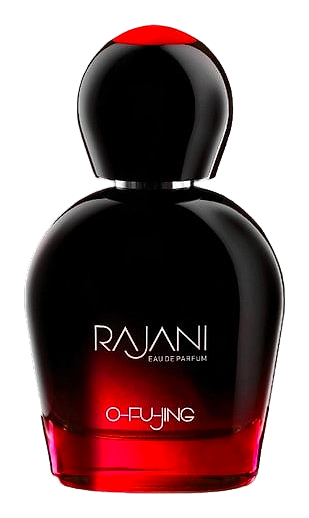
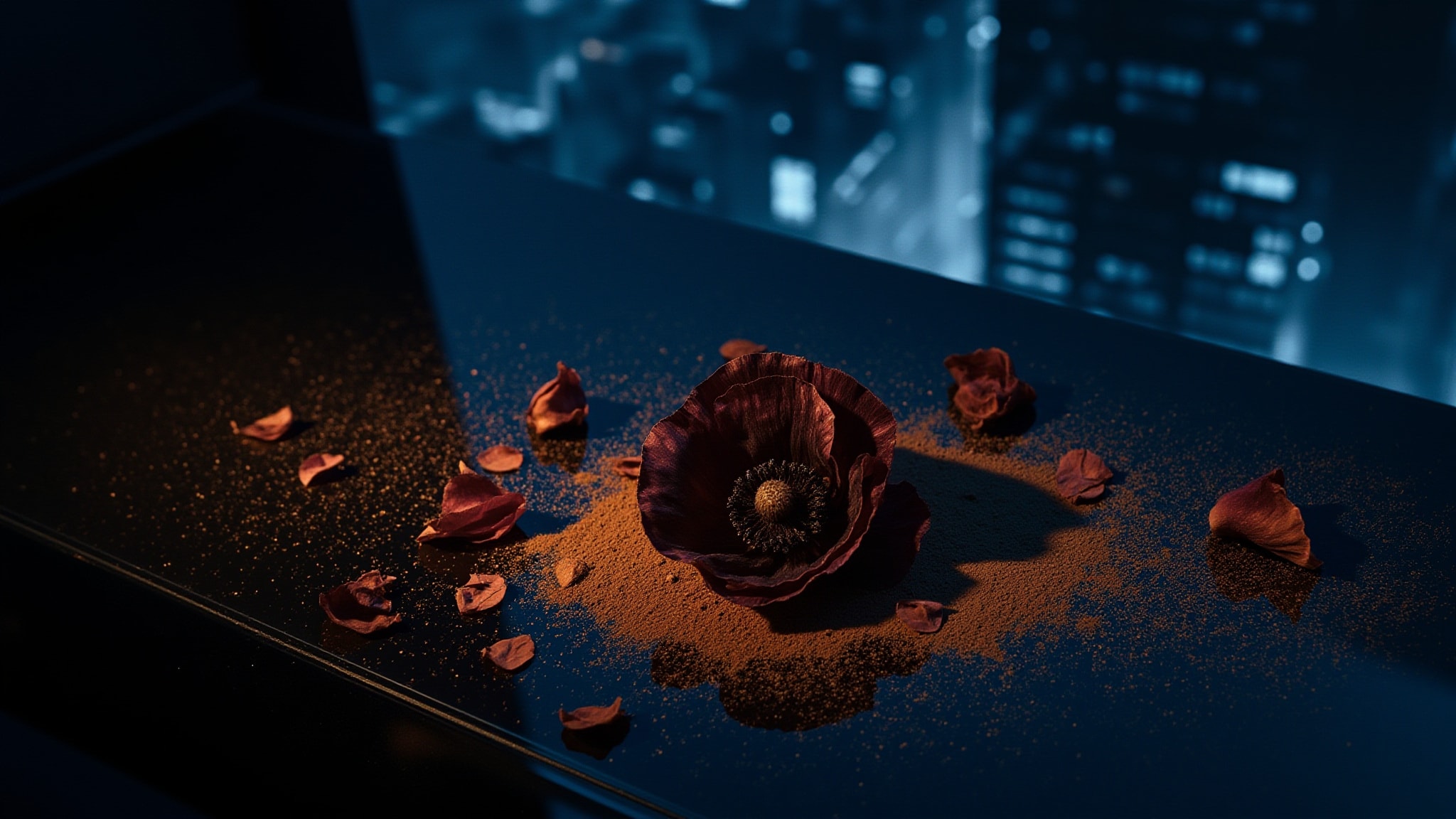
The name is the first tell. O-Fu-Jing means Black Poison in Mandarin, a synonym for opium, an echo of old Shanghai's smoke-hazed intimacy. But Raffaella Tarana, the perfumer behind Rajani, wasn't interested in recreating the haze. She wanted the idea of it, the atmosphere, the mystery, the sense of something forbidden that turned out to be unexpectedly gentle. The brief write-up from the house describes a fragrance that's floral first, smoky second, and modern in a way that disarms. The poppy note adds the playfulness. The osmanthus and ylang-ylang bring the softness. Tarana built the ghost of an opium den without the opium.
What makes this composition unusual is how the florals carry weight without becoming heavy. Osmanthus is apricot-floral, slightly leather-like at its edges. Ylang-ylang is creamy, almost banana-sweet. Poppy, rarely used as a starring note, adds a quirky, seed-like earthiness that stops the florals from floating away. The base is where the opium-den allusion actually lives: ambergris and frankincense create a smoky, animalic warmth, but benzoin and cocoa temper it with balsamic sweetness. The result is floral-smoky in a way that feels intentional rather than contradictory. Cocoa at the base is also unusual, it adds depth without the chocolate-bar sweetness most people associate with the note.
The evolution
The opening arrives crisp and bright, gin and tonic, grapefruit, bergamot. It's a surprising choice for a fragrance with 'opium den' in its DNA, but the citruses establish the top space cleanly. Within twenty minutes, the florals take over: osmanthus unfolds first with its apricot-floral sweetness, then ylang-ylang joins with cream. The poppy appears mid-development, adding an earthy, slightly nutty quality that most people won't identify by name but will sense as something slightly different. The base arrives at hour two. Ambergris, benzoin, cocoa, frankincense, vetiver, a warm, smoky, animalic foundation that carries the drydown for hours. The frankincense and vetiver give it an incense-like quality without becoming church-like. Benzoin adds a sticky sweetness. Cocoa provides the dark, bitter undertone. Ambergris is the tell, the part that smells most like the opium-dens allusion, animalic and close, lingering on fabric the next morning.
Cultural impact
O-Fu-Jing occupies an unusual position among niche florals, it carries smoky, animalic depth without sacrificing wearability. The opium-den allusion in the name could have positioned it as provocative or dark, but the actual composition reads as warm and approachable. Wearers gravitate toward it for its distinctive floral character, the osmanthus-poppy pairing is uncommon, and its ability to hold smoky warmth without becoming heavy. The 2019 launch predates the current wave of 'niche but accessible' releases, placing it among the earlier explorations of that territory.