Poppy
Poppy brings a powdery, softly floral facet to perfumery, capturing the gentle whisper of petals rather than an obvious scent. Its subtle character adds a clean, almost skin-like nuance.
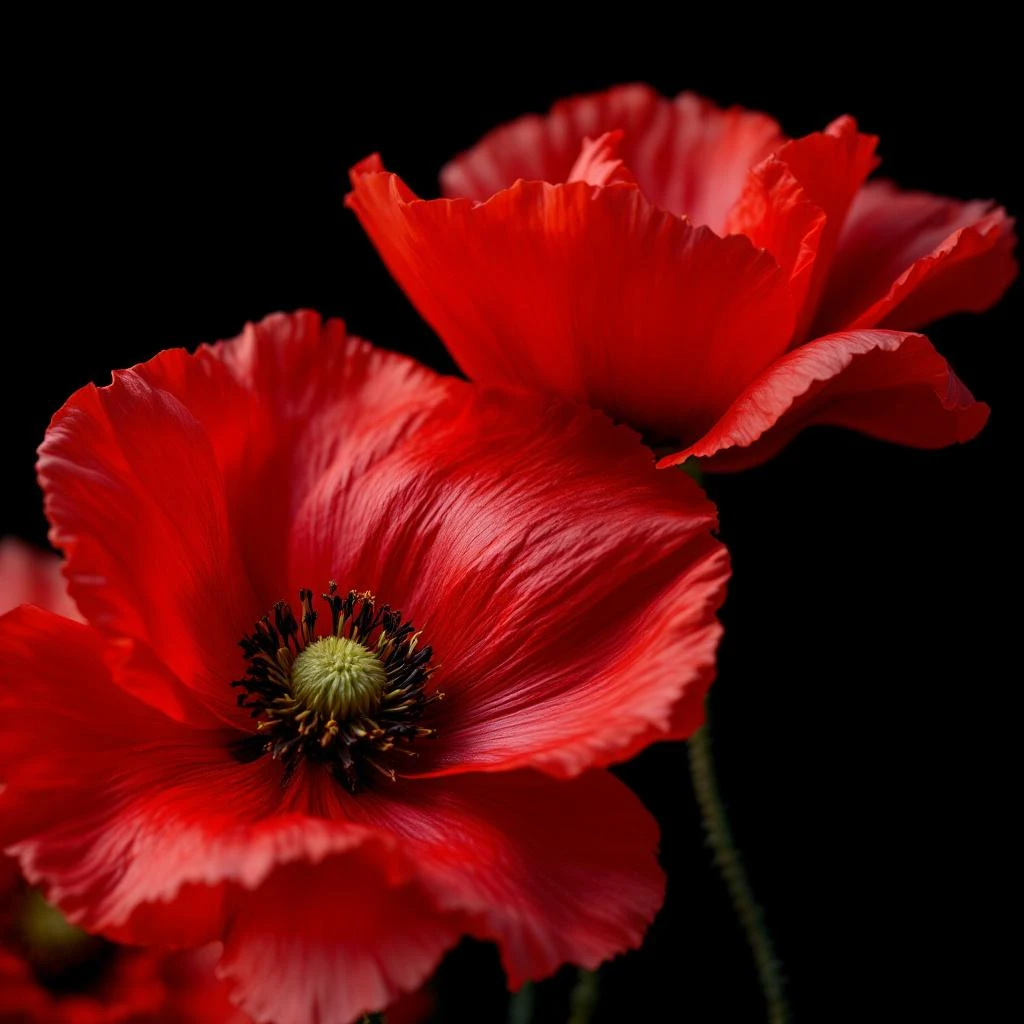
Character
How it smells
Powdery petals, softly spoken
Poppy seeds can lie dormant in soil for up to 100 years, waiting for the right conditions to germinate, a resilience mirrored in the flower's enduring symbolic weight.









Origin
Greece
The poppy flower carries one of the longest symbolic histories of any plant associated with scent. Ancient Sumerians referenced it in their earliest cuneiform tablets around 4000 years ago, cultivating it both for its oily seeds and its sedative properties. In Minoan Crete, frescoes dated to roughly 1500 BCE depict poppies alongside priestesses, suggesting ritual use.
By the Victorian era, the flower had become firmly linked to sleep, dreams, and remembrance in European floriography, a coded language of bouquets. Despite this rich cultural presence, poppy never developed the robust extraction industry that rose, jasmine, or lavender enjoy. Its fragile scent proved difficult to capture reliably, so perfumers historically turned to other materials when constructing powdery floral facets.
Today, the note appears in compositions as a conceptual reference, an evocation rather than a direct extraction, valued for what it suggests as much as what it smells like.
Wears it best
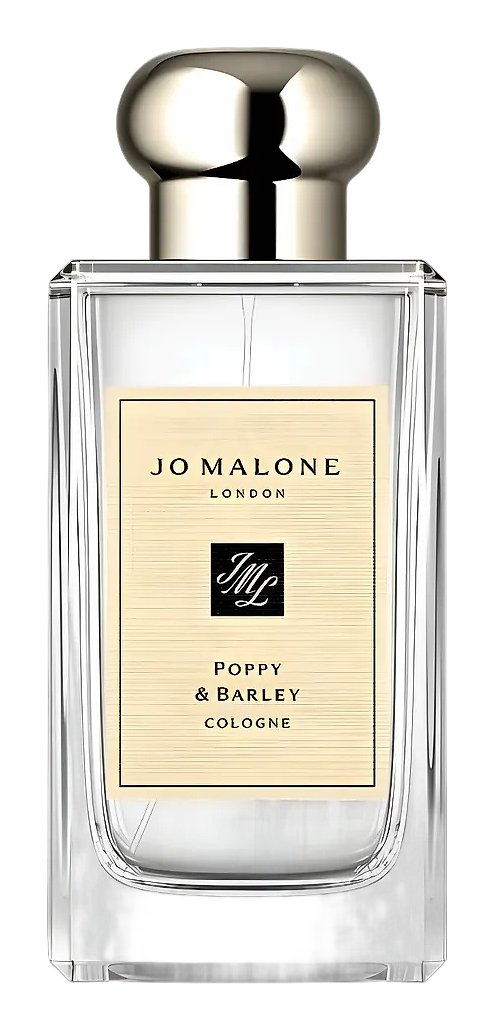
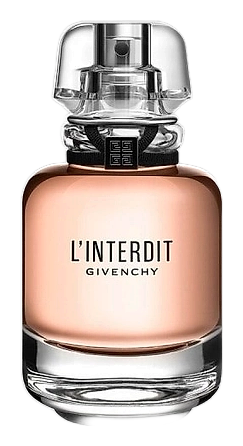
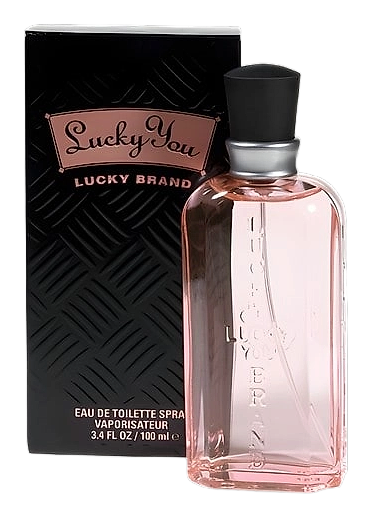
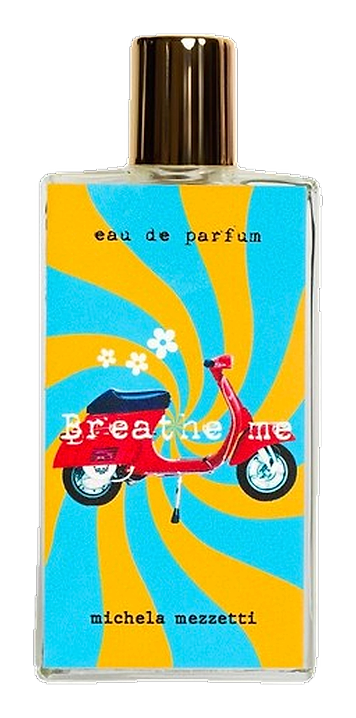
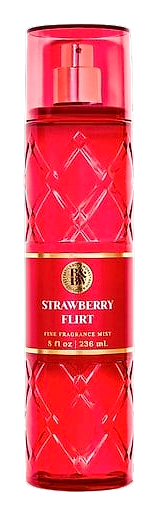
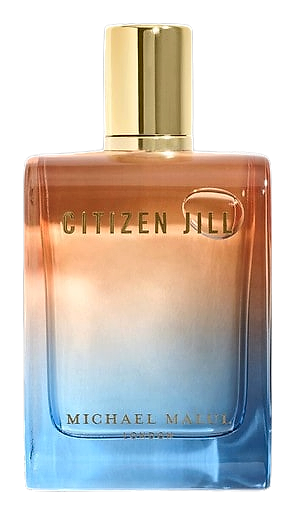
Fragrances featuring Poppy

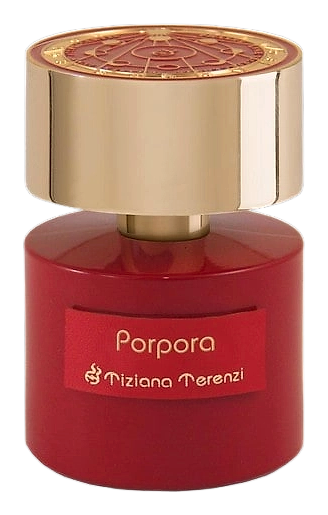
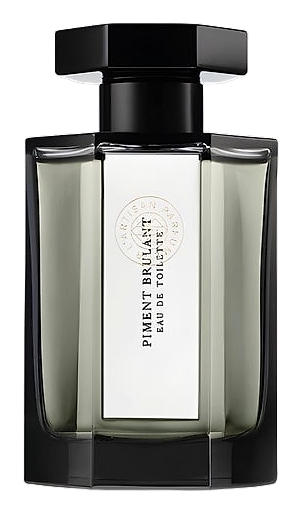
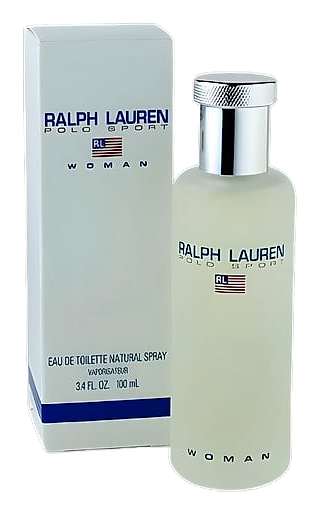
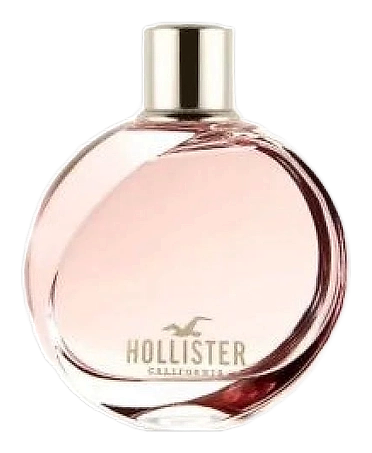
Brands
Brands known for Poppy
Good to know
Questions, answered
The essentials on Poppy in perfumery: how it smells, where it comes from, and how it behaves on skin.
What does poppy smell like in perfume?
Poppy reads as a soft, powdery floral with cool, almost cosmetic undertones. The note rarely smells literal; instead it contributes a clean, gently sweet facet to a composition.
Is poppy a natural or synthetic fragrance ingredient?
Natural poppy absolute exists but is exceptionally uncommon due to low yields. Most modern perfumers work with synthetic accords built from aldehydes and musks to recreate its powdery impression.
Which part of the poppy plant is used for fragrance?
Fresh flower petals are the primary material when natural extraction occurs. The seeds are used in culinary applications rather than perfumery.
When did poppy enter perfumery?
Poppy has symbolic roots stretching back to ancient Sumer around 4000 BCE, but it entered structured perfumery only marginally. Its modern note form relies largely on twentieth-century synthetic chemistry.
What fragrance families does poppy belong to?
Poppy sits within the soft floral family, frequently bridging into powdery and clean-musky categories. It often supports white floral compositions rather than standing alone.
Where does poppy originally come from?
Wild poppy species originated across the Mediterranean basin, with significant early cultivation in ancient Greece and the broader Aegean region. Cultivation spread northward through Europe over millennia.
Is poppy fragrance safe to wear?
Synthetic poppy accords present no skin sensitization risks at typical usage levels. Natural poppy absolute should still be patch tested, as with any botanical extract.
Why is poppy so rare in modern perfume?
The flower's delicate scent resists efficient extraction, yielding tiny amounts of usable absolute. Economics and consistency have pushed most houses toward carefully constructed synthetic recreations.



