
The Story
Why it exists.
The beginning
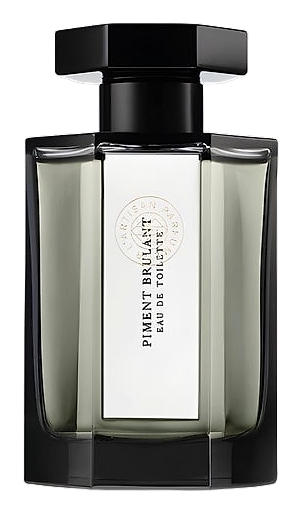
L'Artisan Parfumeur's Bertrand Duchaufour built his reputation on combinations that shouldn't work but do. In 2002, he turned to a singular, provocative material: the burning heat of fresh chili pepper. Not as metaphor, not as hint, as the actual subject. Piment Brûlant means burning pepper in French, and the name is not decorative. The idea was to place the wearer inside the sensation: the bright sting, the warmth building underneath, the search for something cooling to follow. It is a fragrance about wanting relief, and finding it in sweetness. That tension, heat and comfort, sharpness and softness, is the entire brief.
What makes this structure unusual is the hand-off. The chili note does not ease in politely alongside the vanilla and cocoa. It dominates first, and forces the warmer materials to earn their place. Clove brings a dry spice that bridges the green opening and the sweet base without smoothing either side. The poppy is the quiet surprise, a soft, almost powdery floral lift in the heart that nobody expects from a pepper fragrance. It makes the transition feel accidental rather than designed, which is exactly the point. Bourbon vanilla and tonka bean in the base do not overpower the chili memory. They answer it.
The evolution
The opening arrives sharp. Green chili and chili leaf, that immediate, vegetal sting. Not aggressive, exactly. But honest. For the first thirty to forty minutes, the pepper burns and the warmth builds beneath it, clove dry and almost smoky in the transition. Then the heart arrives. The red chili stays, a sustained warmth rather than the initial sting, but the poppy lifts it, introduces something unexpectedly soft, almost airy. This is the phase that surprises most wearers. It does not smell like a kitchen anymore. It smells like warmth in a white room. The drydown belongs entirely to the base: Bourbon vanilla, cacao, tonka bean. A soft, edible warmth that stays close to the skin. The next morning, faint cocoa and vanilla on fabric. Still warm.
Cultural impact
Piment Brulant takes an unusual approach by placing an edible ingredient at the center of its composition. Pepper has always been associated with heat in cooking, and finding that same quality in a fragrance invites a different kind of attention. The challenge of translating culinary heat into scent requires careful balance. What makes this fragrance notable is how it navigates that translation, moving from something familiar in the kitchen to something unexpected on the skin. Wearers encounter an ingredient they know well, but in a context that asks them to experience it differently.