
The Story
Why it exists.
The beginning
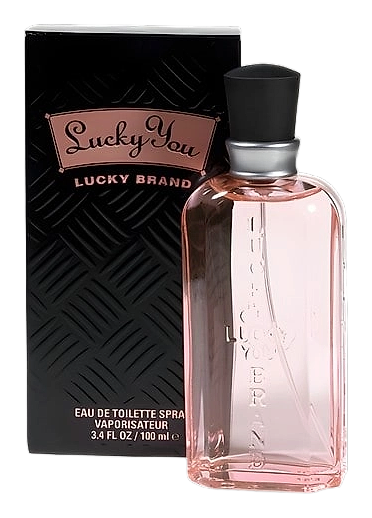
Lucky You arrived in 2000, designed by Harry Fremont to capture something specific: the bright, optimistic spirit of an endless summer afternoon. Fremont built the composition around grapefruit and peony, two notes that don't always share space, to create a fresh floral that felt less like a fragrance and more like a mood. The grapefruit opens with a tart, sparkling quality that immediately lifts the senses, while the peony adds a soft, romantic roundness at its heart. Together they create a fragrance that feels both invigorating and gentle. The goal wasn't complexity. It was the kind of brightness that makes you want to leave the house.
What makes Lucky You work is the tension between its top and heart. Grapefruit is sharp, almost brassy, the kind of note that announces itself without apology. Peony, by contrast, is soft and round, the floral equivalent of a rounded shoulder. Together they create something that feels energetic without being aggressive. The water hyacinth in the top keeps the whole thing slightly aquatic, a nod to coastal air rather than inland humidity. It's not trying to be sophisticated. It's trying to be exactly what it is: a good, clean, wearable fragrance for people who don't want to think too hard about what they're wearing.
The evolution
The opening hits quickly, grapefruit's brightness arrives first, followed within minutes by water hyacinth's watery green lift. The grapefruit doesn't hang around. Within fifteen minutes it's already ceding space to the heart, where peony and star jasmine take over in a dewy, modern garden arrangement. Blue poppy adds a subtle spice that's easy to miss unless you're looking for it. The drydown is where Lucky You settles into its most honest self: warm sandalwood, clean musk, and amber that feels less like perfume and more like the memory of perfume, intimate, close to the skin, lasting around three to four hours on most people.
Cultural impact
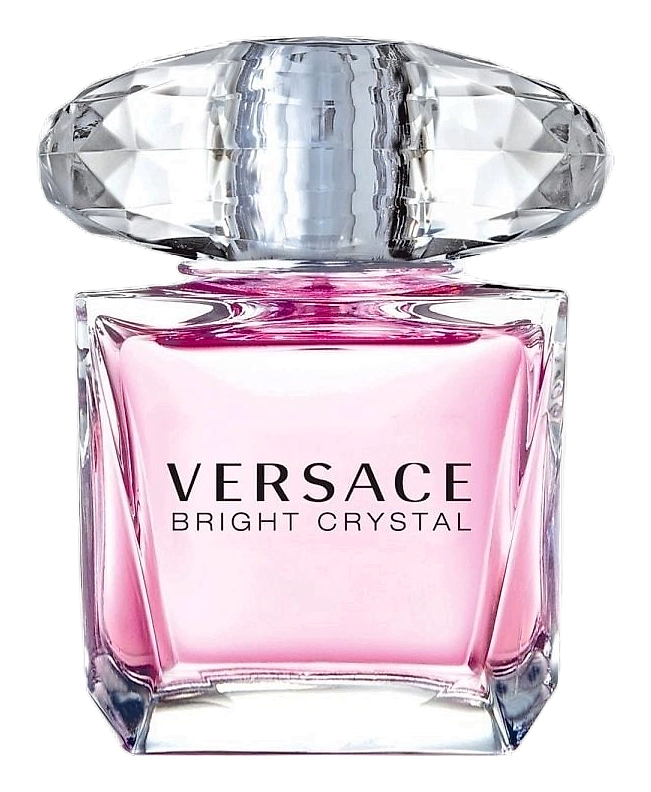
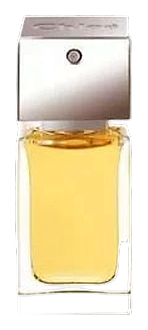
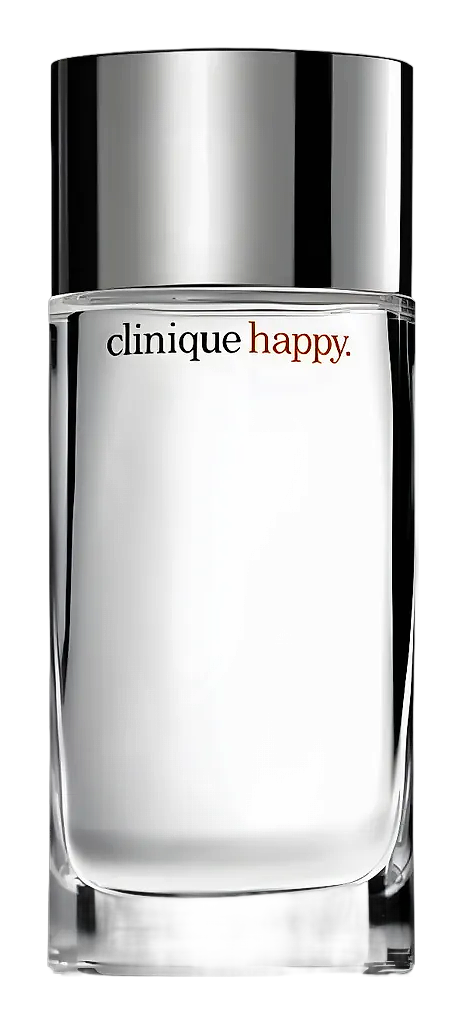
Lucky You for Women sits comfortably in the accessible floral citrus category alongside fragrances like Clinique Happy, Versace Bright Crystal, and Chloe Eau de Parfum. It occupies a specific niche: an uncomplicated, confident fragrance for everyday wear that doesn't demand attention but rewards those who notice it.
The House
Lucky BrandLucky Brand is a fashion house that expanded into fragrance in 2000, beginning with Lucky You for Women and Lucky You for Men. The brand originated as a denim label in Los Angeles and grew into a lifestyle fashion company offering clothing, accessories, and scents. Lucky Brand fragrances are positioned as accessible, everyday options that reflect the brand's California roots and casual aesthetic. The fragrance line has maintained a presence in the mass market for over two decades, with Lucky You for Women remaining available well into the 2020s. The brand draws on its established fashion identity to create scents that feel like natural extensions of its clothing line rather than standalone perfumery statements.
The Creator
Harry FremontFrémont's style resists easy categorization. He works fluently across woody, floral, amber, and leather territories, with an especially strong command of vetiver and musks that has become something of a signature.