Blue Poppy
Blue Poppy lends an evocative freshness to perfumery, conjuring cool mountain air and vivid color rather than a singular scent. It functions primarily as a signature note in contemporary florals, adding brightness and a sense of altitude. Because the actual bloom produces minimal aromatic compounds, perfumers typically recreate it as a sophisticated accord.
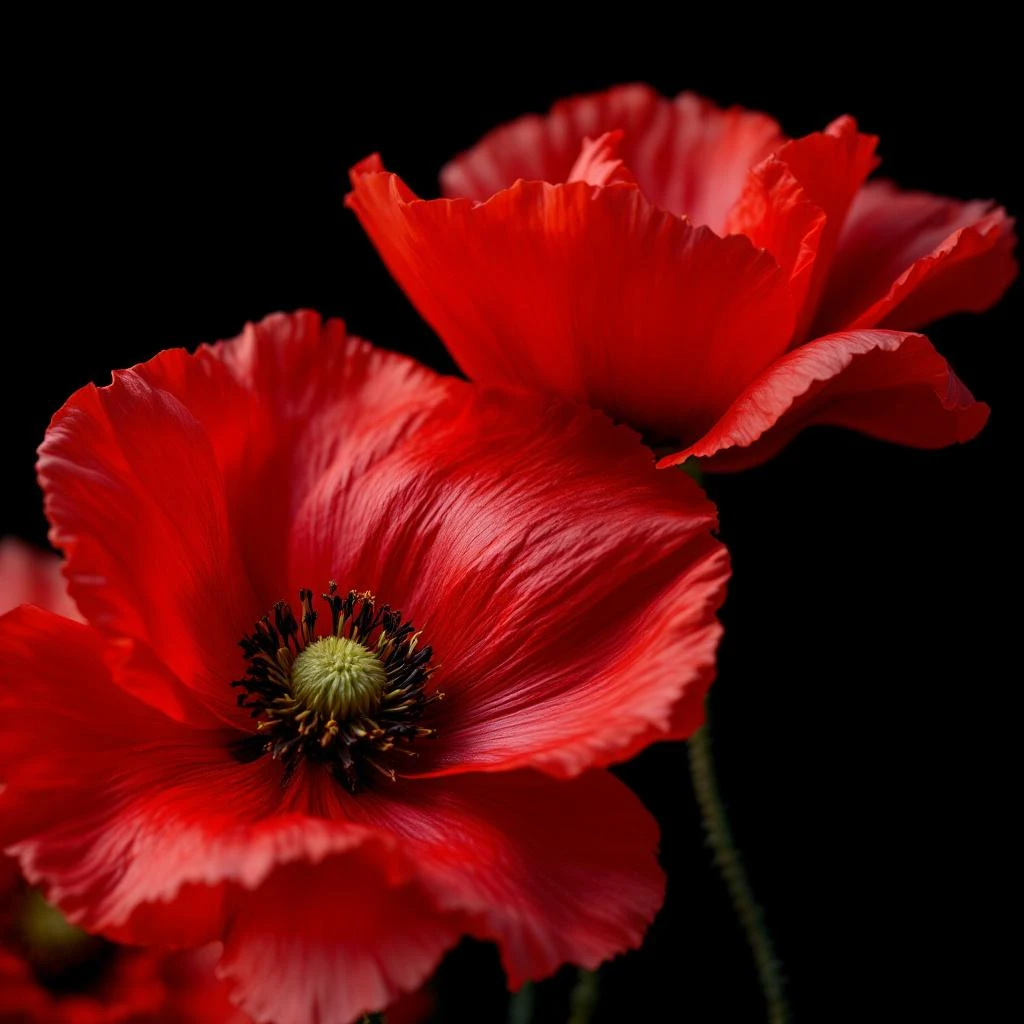
Character
How it smells
Mountain blooms distilled into living color on the skin.
The Himalayan Blue Poppy holds the world record for the truest blue pigment in the plant kingdom, a hue so saturated it almost vibrates against green foliage.



Origin
Tibet
The Himalayan Blue Poppy (Meconopsis betonicifolia) grows at elevations exceeding 3,000 meters across Tibet, western China, and the Himalayas, where Sherpa guides first documented its striking blue blooms in the early 19th century. European botanists attempted cultivation for decades before the species successfully flowered in British gardens around 1926.
Its cultural significance among local Tibetan and Bhutanese populations centers on the flower's brief blooming season and its association with purity. In perfumery, Blue Poppy was first prominently featured in the post-war era, gaining momentum during the 1970s blue-note fragrance wave as designers sought to bottle botanical specimens that evaded conventional extraction.
Wears it best
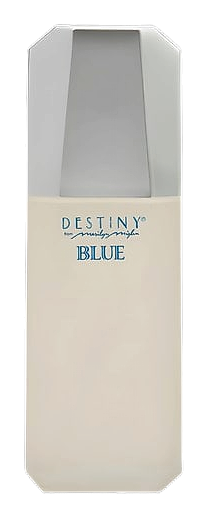
Fragrances featuring Blue Poppy

Brands
Brands known for Blue Poppy
Good to know
Questions, answered
The essentials on Blue Poppy in perfumery: how it smells, where it comes from, and how it behaves on skin.
What does Blue Poppy smell like in perfume?
Blue Poppy in perfume smells like cool, fresh mountain air with a soft, slightly sweet floral pulse. It is a green-aquatic note with ozonic qualities that suggest open sky rather than earthbound florals. Most scents featuring this note pair it with white musks and transparent woods.
Why is Blue Poppy used in perfumery?
Blue Poppy serves a conceptual rather than aromatic function in most fragrances. It adds chromatic suggestion, evoking the visual shock of cobalt-blue petals against rocky terrain. Houses use it to create signature freshness effects in contemporary florals and aquatic compositions, particularly in spring and summer lines.
Is Blue Poppy in perfume natural or synthetic?
Nearly all Blue Poppy materials in commercial perfumery are synthetic or accord-based. The living flower produces negligible aromatic compounds, making natural extraction economically impractical. The created accords typically combine indolene derivatives, ozonic aldehydes, and soft florals to suggest the Blue Poppy impression.
What famous perfumes contain Blue Poppy?
Blue Poppy appeared as a named note in Dior Addict 2 and several Geoffrey Henning formulations from the 1970s. Contemporary usage extends to aquatic and fresh floral families across independent and luxury houses. Exact formulations remain proprietary, though accord construction methods are documented in fragrance chemistry literature.
Is Blue Poppy a top note, heart note, or base note?
Blue Poppy functions as a transitional heart note in most compositions, appearing 5 to 15 minutes into wear as top notes soften. Its fresh, transparent character bridges citrus or ozonic openings with musky or woody drydowns. In lighter concentrations, it may present primarily in the top phase.
What notes pair well with Blue Poppy in perfume?
Blue Poppy harmonizes well with white musks, rose absolute, azure hedione, and transparent woods like massoia. Citrus oils and marine accords amplify its fresh character, while light amber and skin musks ground its fleeting presence. The note performs best in compositions that avoid heavy oriental bases.
How is Blue Poppy extracted?
Solvent extraction attempts on fresh Blue Poppy petals yield minimal aromatic output, typically below 0.1% of concrete weight. Most perfumers reject this route entirely, preferring accord construction using 12 to 18 synthetic and nature-identical ingredients blended to approximate the fresh flower impression.
Is Blue Poppy used in men's or women's fragrances?
Blue Poppy crosses traditional gender boundaries and appears in unisex and feminine fragrances most prominently. Its fresh, unweighted character suits unisex contemporary styles. References in men's fragrance typically position it within aquatic or green fougère structures rather than pure floral contexts.