Heritage
A house, in its own words
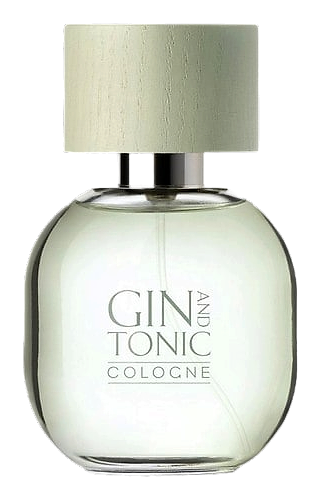
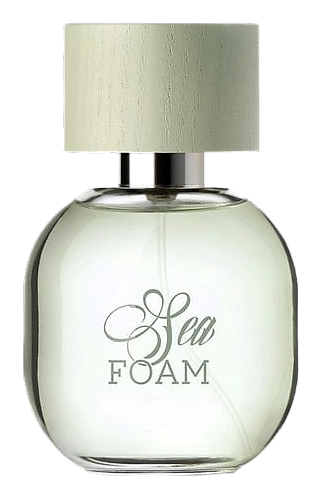
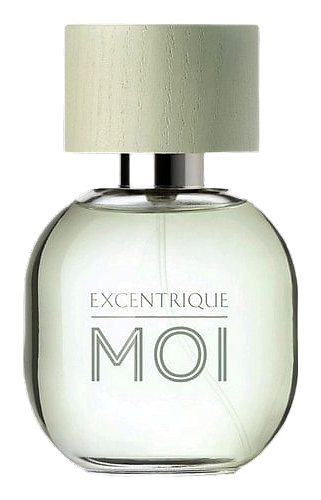
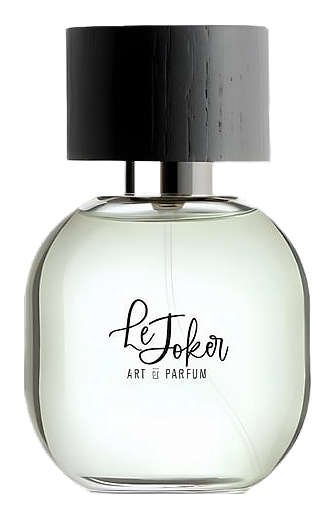
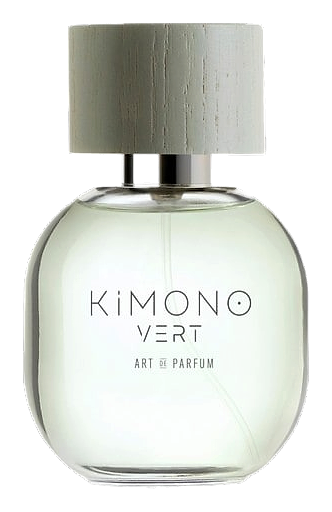
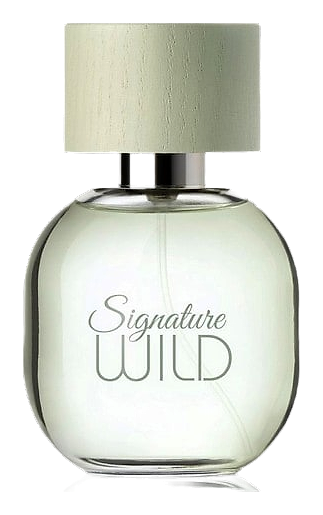
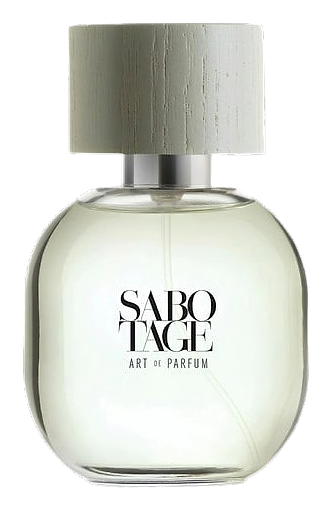
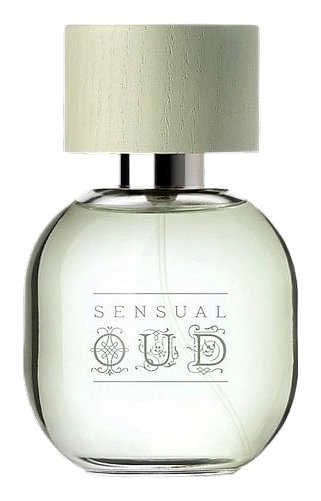
Art de Parfum emerged in 2015, founded by Ruta Degutyte with a clear vision for ethical niche perfumery. The timing placed the brand squarely within the growth period of the independent fragrance movement, when consumers increasingly sought alternatives to mainstream commercial perfumes. Degutyte established the house as a proudly independent family business, maintaining complete creative control over fragrance development and brand direction. Unlike fragrance houses operating under corporate ownership or private equity, Art de Parfum has remained structurally independent since its inception. The brand's formation reflected a broader shift in the fragrance industry during the 2010s, when smaller houses could leverage social media and digital platforms to reach global audiences without traditional retail distribution. The house released its first fragrances in 2016, including Excentrique Moi, Signature Wild, Gin and Tonic Cologne, Sea Foam, and Sensual Oud, establishing its range across multiple fragrance families from the outset. Subsequent years brought additional releases: Le Joker in 2020, Kimono Vert in 2022, and Sabotage in 2023. This measured output, averaging roughly one to two new fragrances annually, reflects an approach prioritizing considered development over high-volume production. Ruta Degutyte founded Art de Parfum because she believes that small, independent operations can offer something fundamentally different from large fragrance houses. The philosophy centers on ethical responsibility as a core creative principle rather than a marketing afterthought. Every formula produced by the house adheres to strict ethical guidelines: no animal-derived ingredients, no rare raw materials sourced through questionable supply chains, no pollutants, no genetic engineering, and no nanoparticles. This stance eliminates many traditional perfumery ingredients that have raised ethical or environmental concerns, forcing the perfumers to work within self-imposed constraints. The approach also aligns with vegan principles, broadening the brand's appeal to consumers for whom ingredient ethics matter in personal care purchasing decisions. Rather than positioning ethics as a niche selling point, Art de Parfum presents it as baseline responsibility. The brand's commitment to transparency extends to how it communicates about ingredients, allowing consumers to understand exactly what goes into each fragrance. This philosophy rejects the historical opacity of perfumery, where ingredient lists were often kept deliberately obscure.