The Story
Why it exists.
The beginning
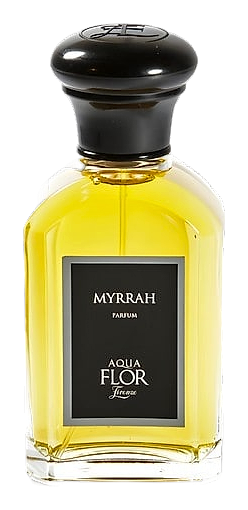
Myrrah is an olfactive portrait of myrrh, the resin prized in temples and apothecaries long before Florence had a perfume trade. Sileno Cheloni built the composition, working in a register that's heavier than the house's lighter portraits. Something that earns its warmth rather than borrowing it. The name nods to the material's gravity. The composition treats myrrh not as a single note but as a gravitational center, pulling frankincense, baking spices, and Tonka bean into orbit before settling into a sandalwood and benzoin foundation. You can smell the intention in the opening: this isn't a confection, and it isn't trying to seduce with sugar. It's aiming for the kind of presence that builds slowly, the way incense fills a stone room over hours rather than minutes.
What's interesting here is the architecture. Myrrah layers two resins, frankincense and myrrh, alongside a full quartet of baking spices and a warm Tonka bean heart, before dropping into a sandalwood and benzoin base. That's a structural choice worth noting: the spice does the opening's bright work, the resins create the meditative middle, and the gourmand-adjacent base does the long-haul anchoring. It's not a one-note resin study. The spice gives it a pulse, the resins give it depth, and the base keeps the whole thing from floating off into abstraction.
The evolution
On skin, it opens loud. Black pepper and clove hit first, dry and almost charred, with orange peel threading through like a citrus rind dropped into the embers. The opening minutes are restless, all warmth and friction. Then the frankincense arrives, and the temperature drops. Not cold, but stilled. The myrrh follows, pulling jasmine and Tonka bean with it, and the composition shifts into something closer to church than marketplace. Around the middle of the wear, the spices recede entirely. What's left is a dense, sweet-dry resinous base: sandalwood's cream, patchouli's bitterness, benzoin's vanillic hum. It clings close to skin rather than broadcasting, preferring intimacy to projection. The drydown folds patchouli's earthy bitterness into sandalwood's lactose sweetness, a combination that reads almost like raw cookie dough left out on a wooden counter.
Cultural impact
Myrrah by Aquaflor Firenze commits to a drier, more architectural approach than most spice-forward compositions manage. Pepper and clove burn cool and clean rather than wrapping around the wearer like incense smoke. The composition balances piquant black pepper and warm clove against the candied brightness of orange zest and the woody sweetness of nutmeg. There's a discipline here that rewards attention: the spices never shout over the resins, and the resins never smother the spices. Instead they trade places, each taking the lead at different points in the wear.
The House
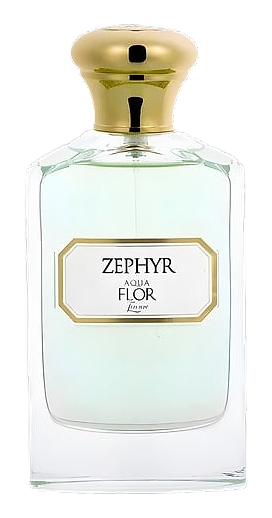
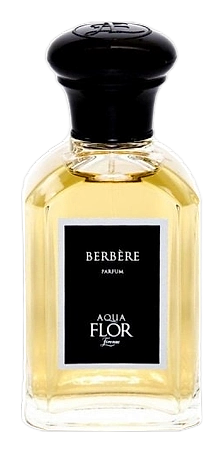
Aquaflor FirenzeAquaflor Firenze is a niche perfume house rooted in the heart of Florence, Italy. The brand creates both personal fragrances and scented home collections from a laboratory housed in the historic Palazzo Corsini Antinori Serristori. Its line includes the 2024 release Zephyr and a range of olfactory portraits such as Berbere, Aenigma and Mediterranea. Aquaflor draws on the city’s centuries‑old perfume tradition while offering contemporary compositions that echo the Tuscan landscape and its iconic iris and rose blossoms.
The Creator
Sileno CheloniCheloni gravitates toward rich, structured materials. Woods, resins, and precious florals anchor his compositions, giving them weight and longevity.