The Story
Why it exists.
The beginning
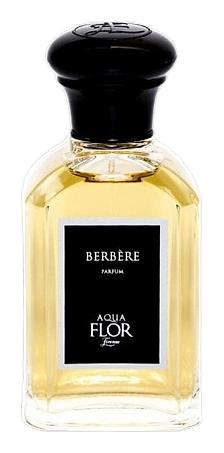
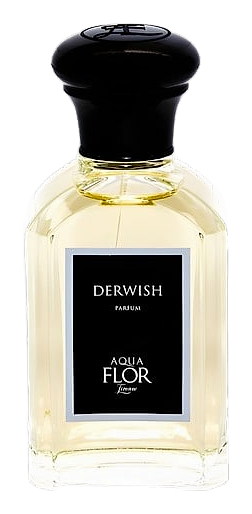
Derwish comes from Aquaflor Firenze, the niche house Sileno Cheloni built, and the name itself reaches toward the whirling dervish, that Sufi figure of devotional turning and ritual smoke. The composition mirrors that figure: a quiet exterior, a sacred interior, something circling inward. Cheloni works with Florentine iris chief among his materials, the rhizome that carries the dusty, violet-tinged signature the city has built its reputation around. Derwish is less a portrait of a person than a portrait of a practice. Stillness as a form of movement, incense as a kind of breath that folds back on itself. The fragrance opens with a narrow band of mandarin, barely there, just enough to signal that something is about to shift.
What makes the structure interesting is how thin the bridge is between the opening and the incense heart. Mandarin orange serves as a small, almost apologetic brightness before frankincense and myrrh arrive, and they don't ease in. They displace the citrus. Florentine iris grounds the smoke in something mineral and powdery, the way stone holds scent in a cool church. Vanilla sits in the heart, sweetening the resin without flattening it, adding warmth to a composition that could otherwise read as austere.
The evolution
The first thirty minutes belong to mandarin. It arrives soft, candied, almost shy, the way light looks through thin paper. Then the resins move in. Frankincense and myrrh don't announce themselves so much as fill the space the citrus left behind, and the iris powder settles over everything like dust on old wood. Vanilla shows up earlier than expected, threading through the heart and keeping the incense from drifting too far into sacred territory. By hour three, the composition has shifted register. The smoke fades. The iris deepens. Ambergris and musk take over, and the fragrance becomes close, almost quiet, something that reads more like warm skin than like a church. On fabric the next morning, what's left is the iris and a ghost of vanilla, powdery and still. On skin, the drydown is shorter but more intimate, a sillage that doesn't chase attention.
Cultural impact
Derwish occupies a distinctive position in the iris-resin conversation. It brings together two traditions that don't often meet on equal terms, the powdery, mineral character of Florentine iris and the smoky depth of church incense, and it lets neither one dominate. The result reads as devotional without being literal, spiritual without being austere. Wearing it feels like a private ritual more than a public gesture. It doesn't project aggressively or ask to be noticed across a room. Instead it draws closer over time, offering its resins and iris to whoever happens to be near, and revealing different layers as the hours pass.