The Story
Why it exists.
The beginning
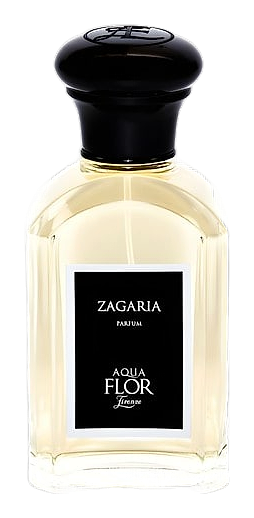
Zagaria comes from the hand of Sileno Cheloni at Aquaflor Firenze. The composition reads as a study in restraint, a quiet departure that strips the formula back to its oldest ingredients: citrus zest, neroli, and cedar. There is no resin anchoring the base, no oud curling through the heart, no amber smoothing the edges. Just three materials, each given room to speak. The name itself gestures toward a single flower, the bitter-orange blossom that has perfumed Mediterranean courtyards and roadside hedges for as long as anyone can remember. Cheloni treats that blossom as the composition's center of gravity, letting everything else bend around it.
What makes Zagaria interesting isn't the novelty of its materials. Sweet orange, lemon, orange blossom, and cedar are some of perfumery's oldest building blocks, familiar to anyone who has ever pressed a rind between their fingers or stood beneath a flowering tree in late spring. What's interesting is the discipline of the composition. There is no indolic sweetness burying the citrus, no syrupy floral drowning out the zest. The formula holds itself to a narrow corridor, and the corridor is wide enough for the materials to breathe.
The evolution
The opening hits fast, a compressed blast of sweet orange and lemon that smells less like fruit than like the rind cracked open under thumb, bright and immediate, almost startling in its clarity. That initial crack of citrus settles quickly into the heart, where the orange blossom takes over and the composition finds its center. The neroli reads slightly bitter, slightly soapy in the cleanest sense, like sun-warmed laundry on a stone railing or the inside of a linen closet that has held onto the ghost of spring. As the hours pass, the floral character shifts slowly, the blossom loosening its grip while the cedar beneath begins to surface, dry and pale, pulling the fragrance toward something quieter and more woody. The drydown is unusually austere. There's no vanilla smoothing the edges, no sandalwood cream rounding the corners.
Cultural impact
Zagaria occupies an unusual corner of the Aquaflor catalog, a citrus-and-cedar composition built from a short list of perfumery's oldest materials. It's the kind of fragrance that rewards attention rather than projection, the sort of bottle that finds its wearer among people who already know what they like and don't need to be sold on sillage. The value sits in the execution itself: a tight ingredient list handled with a care that shows in every transition, from the first crack of citrus through the neroli's herbal stillness to the dry cedar close.
The House
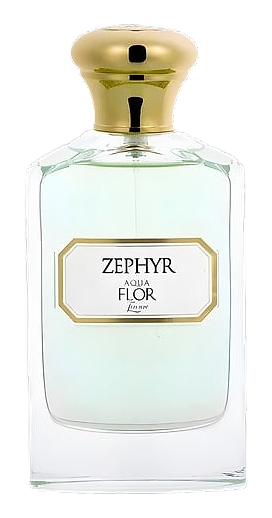
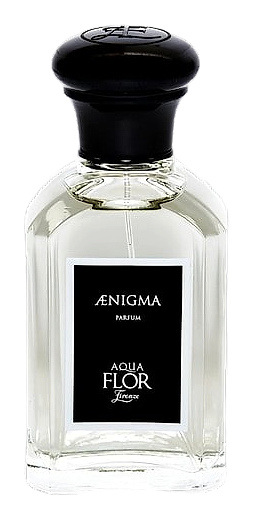
Aquaflor FirenzeAquaflor Firenze is a niche perfume house rooted in the heart of Florence, Italy. The brand creates both personal fragrances and scented home collections from a laboratory housed in the historic Palazzo Corsini Antinori Serristori. Its line includes the 2024 release Zephyr and a range of olfactory portraits such as Berbere, Aenigma and Mediterranea. Aquaflor draws on the city’s centuries‑old perfume tradition while offering contemporary compositions that echo the Tuscan landscape and its iconic iris and rose blossoms.
The Creator
Sileno CheloniCheloni gravitates toward rich, structured materials. Woods, resins, and precious florals anchor his compositions, giving them weight and longevity.