
The Story
Why it exists.
The beginning
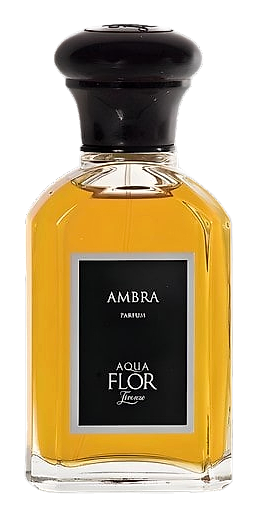
Ambra translates roughly as amber, but in Italian perfumery it's never just a word. It's an invitation to slow down and pay attention to resin, sweetness, and the slow accumulation of warmth on skin. Sileno Cheloni built this composition, and it reads like something older and darker than a straightforward amber accord. The amber here isn't the clean, sun-warmed variety found in lighter compositions. It's the kind that suggests centuries of use: incense burned in chapels, resin collected by hand, skin that has held warmth for hours. There's a density to it that comes from the way frankincense and labdanum stack behind the florals, giving the whole thing a candied, ecclesiastical weight.
The interplay of May rose absolute with frankincense and labdanum is where Ambra earns its weight. Rose alone is bright, almost innocent. Pair it with frankincense and the flower gains a bruised, ecclesiastical quality, as though the petals themselves have been steeped in centuries of devotion. Add labdanum and the heart turns thick, sticky, almost candied, pulling the composition downward into something that clings rather than sparkles.
The evolution
The opening belongs to cinnamon and a bright wedge of citrus. Not sharp, not sour, more like the zest of an orange peel dropped into warm amber resin, a fleeting brightness that pulls you in before the heart settles over everything. Then the top notes recede and frankincense rises, carrying the May rose with it into something denser and more contemplative. The heart phase is the longest and the densest, a slow-moving cloud of resin and flower that hovers close to skin for what feels like an eternity, thick enough to taste in the back of the throat. Labdanum thickens it, benzoin sweetens it, and patchouli grounds the whole thing with something dark and vegetal underneath, a root-note earthiness that keeps the sweetness from floating away. Eventually the florals begin to recede, fading into the base like a color losing its saturation.
Cultural impact
Wearers describe Ambra as the fragrance of someone who has already arrived, settled in, and stopped explaining themselves. It carries a distinctly Italian restraint, less syrupy than some amber-heavy compositions, more architectural than others that lean into sheer sweetness. The animalic edge, the kind that emerges from labdanum rather than overt musk, gives it a quiet warmth that reads as settled confidence rather than seduction. There's something about Ambra that suggests late evenings and deeper conversations, the kind of scent that becomes more interesting the longer it sits on skin.
The House
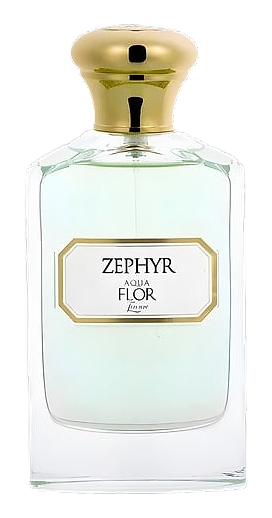
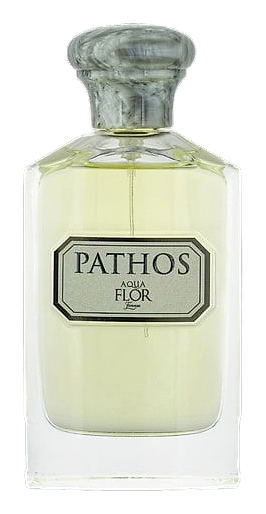
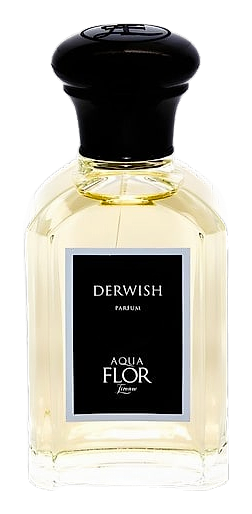
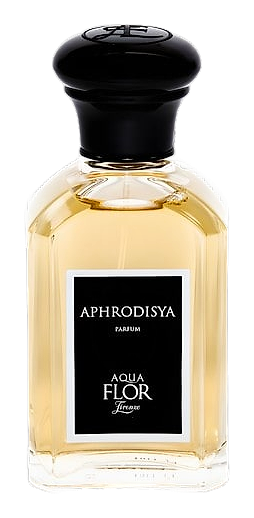
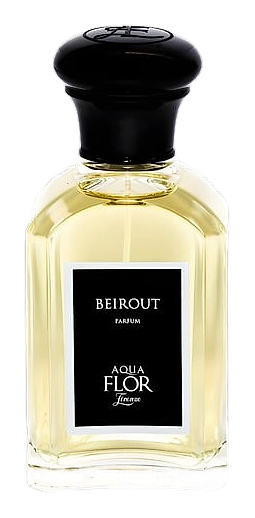
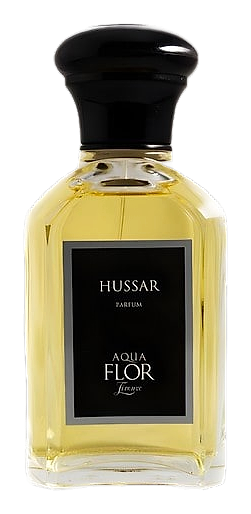
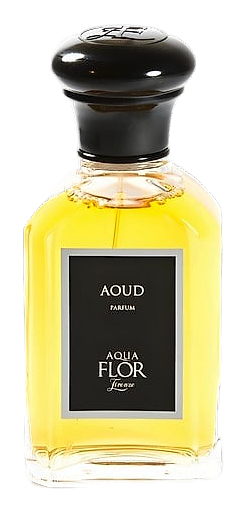
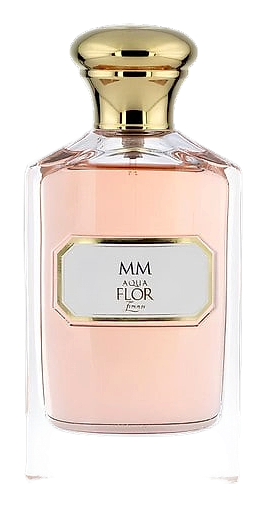
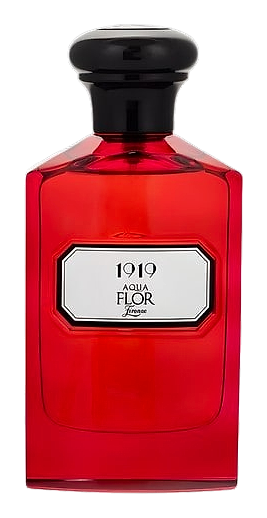
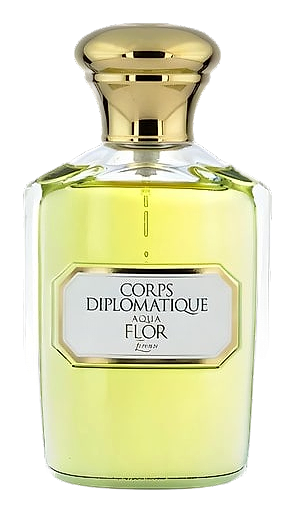
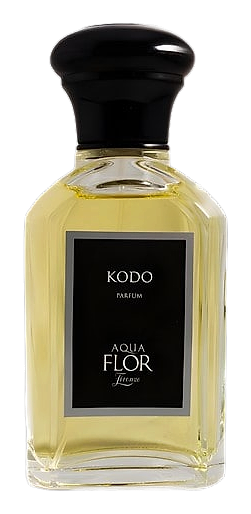
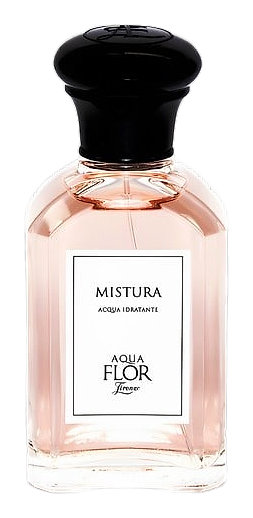
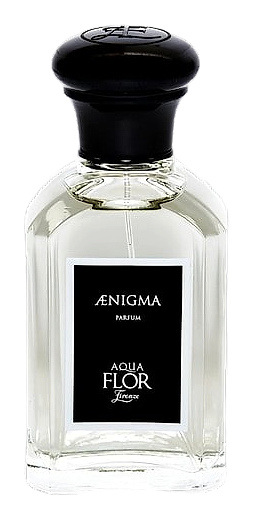
Aquaflor FirenzeAquaflor Firenze is a niche perfume house rooted in the heart of Florence, Italy. The brand creates both personal fragrances and scented home collections from a laboratory housed in the historic Palazzo Corsini Antinori Serristori. Its line includes the 2024 release Zephyr and a range of olfactory portraits such as Berbere, Aenigma and Mediterranea. Aquaflor draws on the city’s centuries‑old perfume tradition while offering contemporary compositions that echo the Tuscan landscape and its iconic iris and rose blossoms.
The Creator
Sileno CheloniCheloni gravitates toward rich, structured materials. Woods, resins, and precious florals anchor his compositions, giving them weight and longevity.