The Story
Why it exists.
The beginning
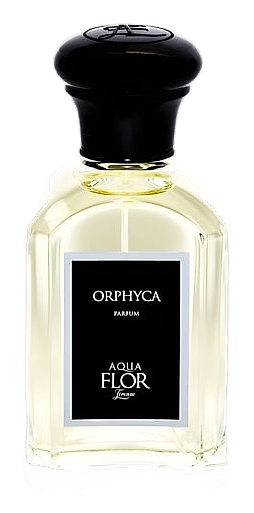
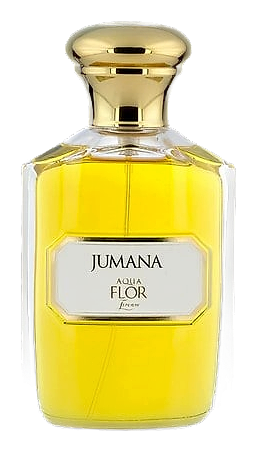
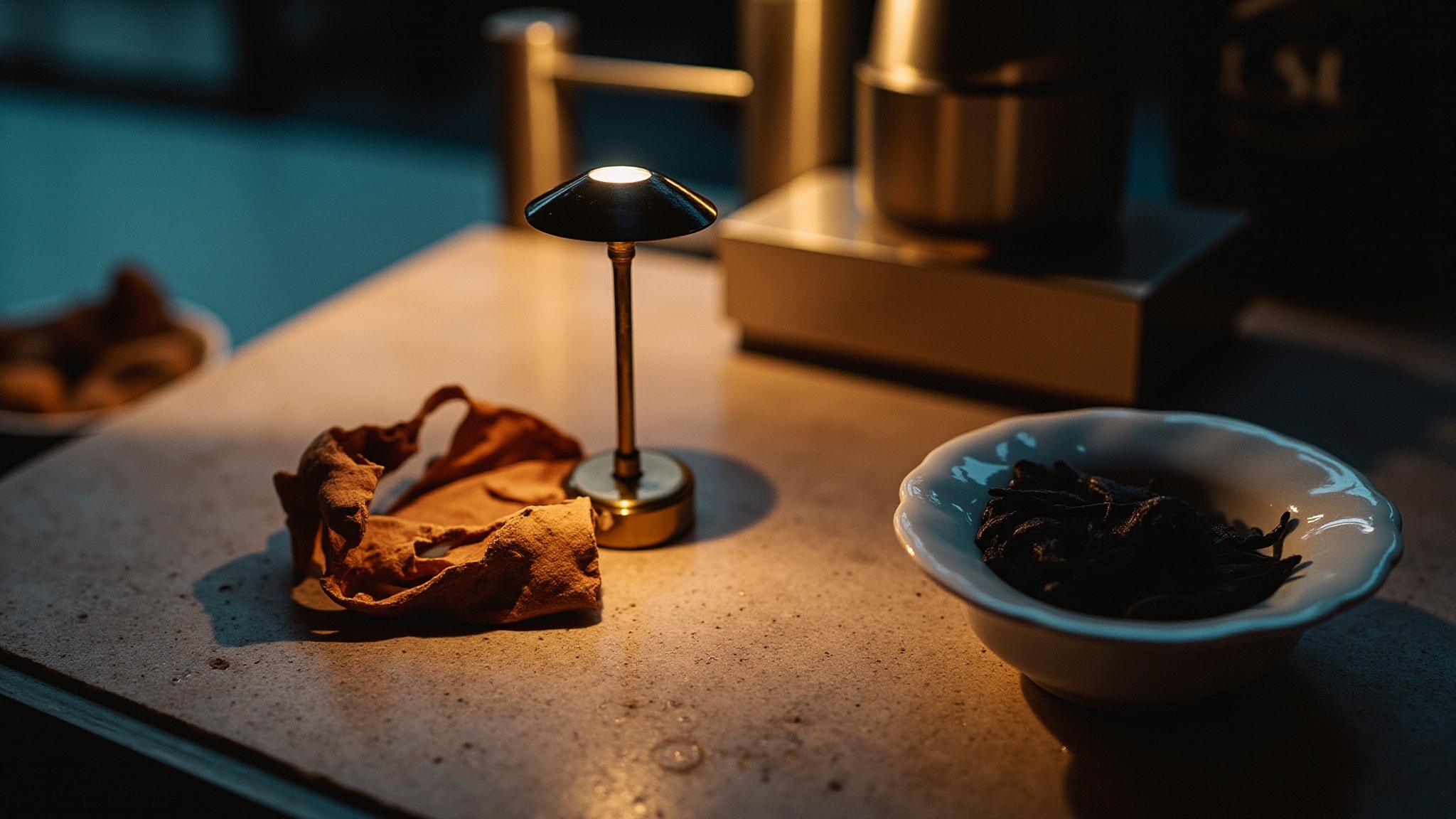
Jumana arrived from Aquaflor Firenze in 2023, and the composition sits comfortably inside an established lineage without ever feeling obligated to advertise it. The fragrance opens with cinnamon, not the dusty sweet warmth of a bakery but the bright, slightly bruised bark version that lands close to the skin and pulls focus immediately. Behind that opening, a procession of supports files through: frankincense arrives first as smoke rather than resin, hazy and atmospheric, then heliotrope folds in with a powdery almond sweetness that softens whatever edges the incense leaves behind. Rose threads through quietly, present more as a suggestion than a statement, the way you might catch a floral note in a passing breeze rather than walking into a garden.
What makes Jumana unusual is how narrow the aperture is. Most compositions this sweet soften their spice or smother their smoke. Jumana keeps both intact and asks the resins to do the negotiating. Cinnamon is fleeting, a single bright line at the top, but the frankincense underneath it leans smoky rather than ecclesiastical, dusty, almost tarry, more campfire than cathedral. Heliotrope adds a marshmallow-soft powder, rose gives it restraint, and tonka bean locks the bridge between the two halves. The result is a central accord that smells handmade, the kind of warmth you'd attribute to a specific person rather than a note list.
The evolution
On skin, Jumana leads with cinnamon, bright and slightly sharp, the kind of opening that announces itself rather than whispers. The first movement belongs almost entirely to that single spice, and it gives the composition permission to be noticed before settling in. Soon the cooler registers take over: frankincense surfaces as smoke rather than as the heavier resinous tear, drifting across the skin in a way that feels atmospheric, almost architectural. Heliotrope keeps pace beside it, lending a powdery almond sweetness that pushes back against any harshness the incense might carry. Rose passes through at this stage too, but never as a centerpiece; it reads more like a breath caught in a corridor than a bouquet held in a hand. Then the base builds, and the character of the fragrance tilts. Tonka bean thickens first, a soft bitter-cream platform that the other materials can stand on.
Cultural impact
Jumana works in a profile that has become more common in recent years: the sweet-spicy oriental built around cinnamon and resin rather than the heavier oud-and-amberd combinations that dominated earlier waves. What separates it from the rest of the pack is a few small but deliberate choices, the frankincense treated as smoke rather than as the sticky tear most compositions reach for, the base leaning on palisander rosewood in place of the usual sandalwood or oud, and the whole thing structured to keep its warmth measured rather than broadcast.