The Story
Why it exists.
The beginning
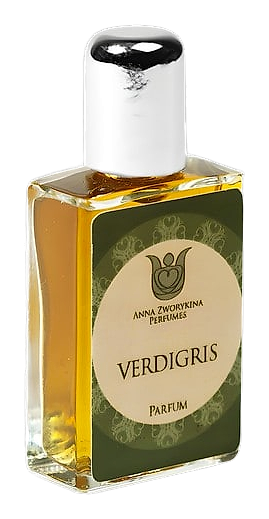
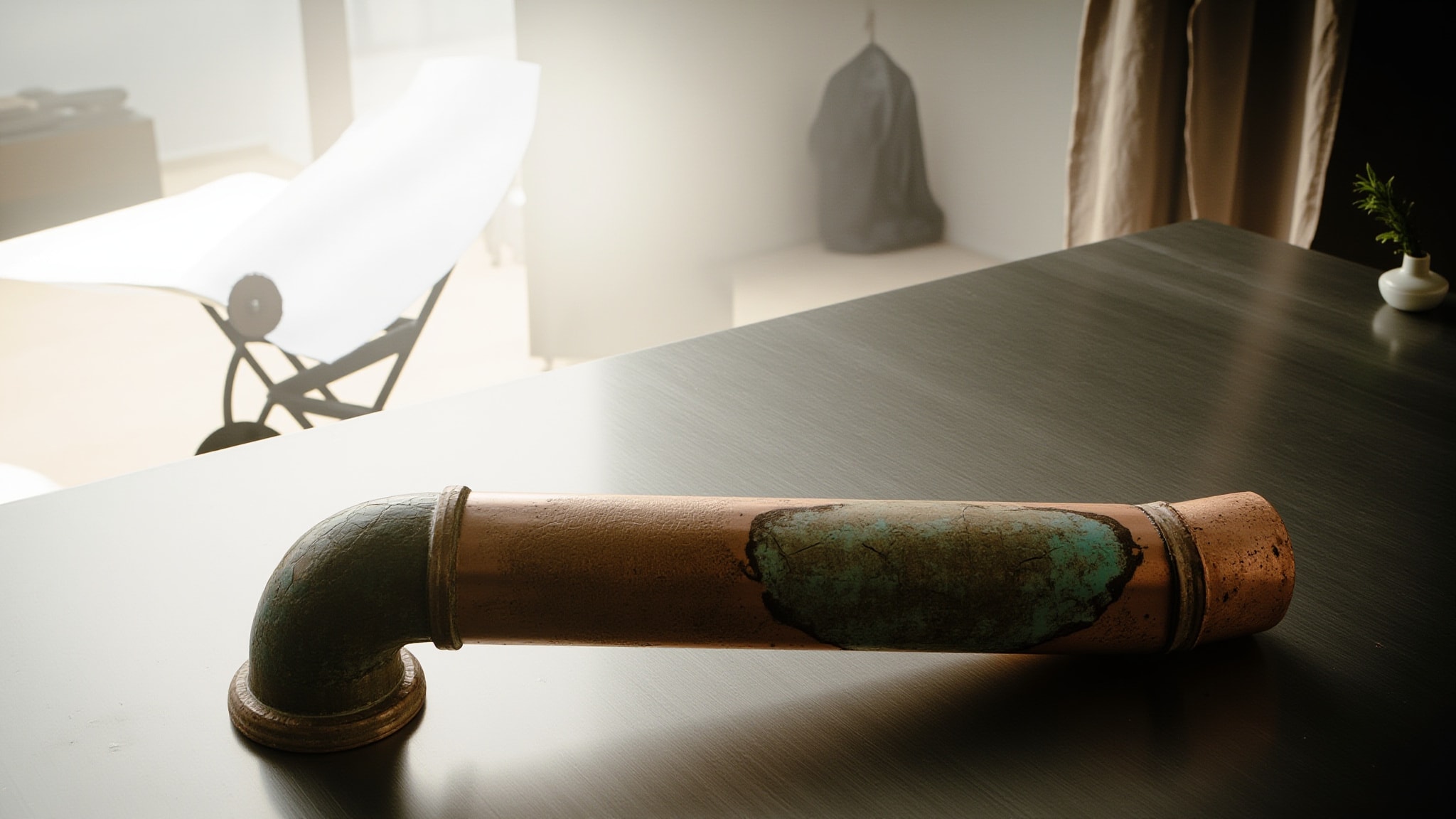
Anna Zworykina built her work around a simple premise: perfume should capture what photography cannot. The exact quality of light on a particular morning. The mineral smell of river stones after rain. Verdigris began as a study in that liminal space between roughness and softness, between green and amber. The name came first, the patina on weathered copper, the green that forms when metal forgets its original self. It became the brief. Lavender and sage were obvious choices for a fougère, but Anna wanted something sharper underneath. Galbanum's bitter green. Petitgrain's citrus bite. Rosemary's herbal edge. The 2011 release brought those elements together into a fragrance that opens rough and finishes intimate, close to the skin, lasting well past the hour you applied it.
What makes Verdigris work is the tension between its opening and its heart. The top is confrontational, galbanum's green bitterness isn't subtle, and rosemary adds an herbal edge that borders on medicinal for the first thirty minutes. Most fougères smooth this out with coumarin or sweet lavender. Anna Zworykina leans into it. Then the heart arrives: jasmine and frankincense warmth under the lavender, a resinous depth that was hiding underneath the sharpness all along. The bergamot in the top keeps things from getting too heavy. It's a careful balance, green and bitter, but never harsh. The tonka bean in the base adds a powdery sweetness that keeps the drydown from going too dark.
The evolution
Petitgrain and bergamot hit first, a bright citrus burst that lasts about twenty minutes before the galbanum and rosemary arrive to sharpen everything up. The transition isn't gentle. One moment you're in a sunlit garden; the next, you're in something darker, greener, almost metallic. That verdigris quality the name promises, it lives here, in this rough twenty-minute window where the fragrance seems to test whether you'll stay. You will. The lavender and sage arrive around the thirty-minute mark, and the whole composition shifts. The green bitterness doesn't disappear, it softens, becomes the undertone rather than the lead. Jasmine appears quietly, and the frankincense adds a waxy warmth that moves the scent from confrontational to contemplative. The drydown is where Verdigris becomes itself. Labdanum and opoponax create a balsamic warmth that settles close to the skin, intimate rather than announced. Vetiver adds earthiness. Tonka bean extends a soft, powdery sweetness that lingers for four to six hours on most skin types.
Cultural impact
Verdigris represents a particular moment in niche perfumery, the handmade, natural-ingredient approach that attracted collectors who wanted fragrance as craft rather than commodity. It sits comfortably alongside the best fougères in the niche world, with a green-bitter character that separates it from both the soapy mainstream and the safer end of the herbal spectrum. For those who want a fougère that earns its softness, it's among the more honest options available.