The Story
Why it exists.
The beginning
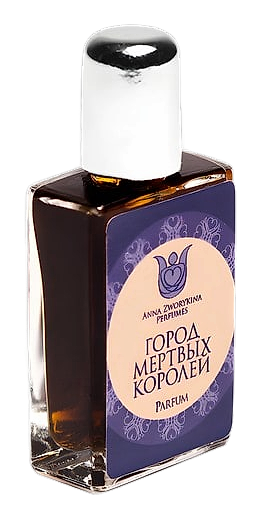
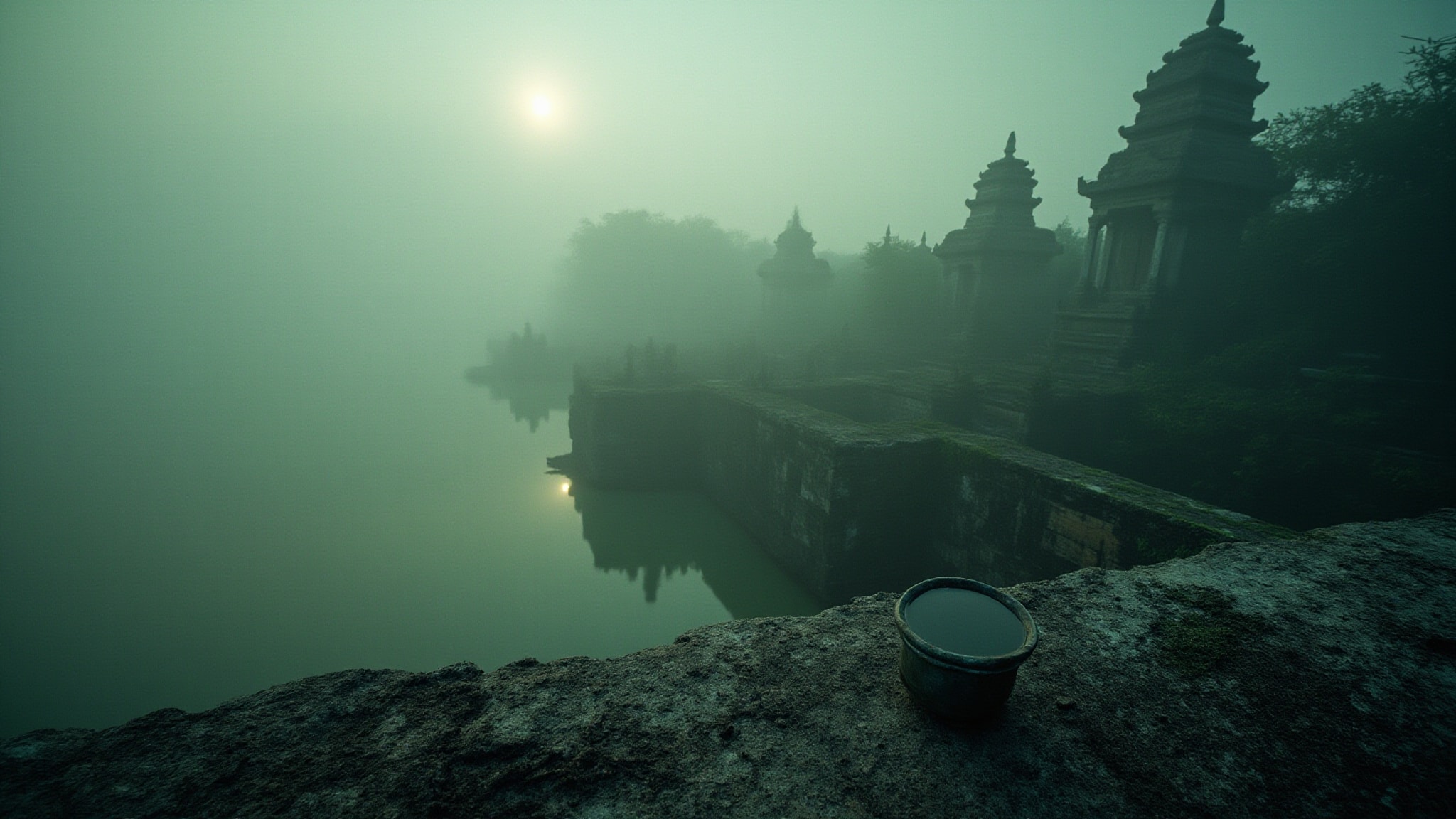
Hue, the ancient imperial capital of Vietnam, is home to the Perfume River and the tombs of Nguyen dynasty kings. The fragrance captures not the postcard version of this place, but its sensory reality: the damp river air, the incense smoke from temple rituals, the slow green takeover of ancient stone. The Russian subtitle, City of Dead Kings, makes no pretense about what lies beneath the beauty. This is a fragrance about empires in decay, and what still grows in the ruins. The interplay of earth, smoke, and marine elements reflects both the weight of history and the persistence of life in a city where past and present exist in constant tension.
The composition relies on materials with deep roots in traditional perfumery. Mitti attar brings the aroma of sun-baked earth, distilled from raw laterite soil, offering a warm mineral character that shifts on each wearer. Choya Nakh and Choya Ral, derived from aged shellac resin, introduce a smoky, balsamic quality that reads as incense but evolves differently depending on skin chemistry. Kewda attar, extracted from pandanus flowers, weaves a rare tropical sweetness through the heart of the fragrance.
The evolution
The opening is bracing. Angelica and juniper arrive first, sharp and green, with elemi's citrus resin cutting through. Then the seaweed takes over, not the soft marine of a summer fragrance, but a mineral, almost briny note that insists on itself for the first hour. Vetiver beneath adds an earthy counterweight. By mid-drydown, you've stepped inside a temple. Jasmine and frangipani emerge from the resinous base of myrrh and frankincense, with pink lotus adding a tropical sweetness that never becomes dominant. The rose and lavender come in quiet waves. The mitti earth stays close to the skin throughout, a reminder of where you are. The final act belongs to the oud and Choya Nakh, darker, smokier, resinous. The marine fades but its mineral echo remains, imprinted on skin. What's left hours later isn't perfume so much as memory: warm stone, cold air, something ancient that hasn't quite finished speaking.
Cultural impact
Hue occupies a particular corner of the niche world: those drawn to Vietnamese perfumery traditions, Choya materials, and marine-resinous tensions. The composition layers marine and resinous elements in a way that rewards patience. The initial wave brings marine salinity and seaweed, which gradually gives way to the balsamic warmth of Choya Nakh and Choya Ral. Kewda attar threads a rare tropical sweetness through the heart, preventing the smoke from becoming overwhelming. Mitti attar grounds the drydown with sun-baked earthiness that lingers on skin.