The Story
Why it exists.
The beginning
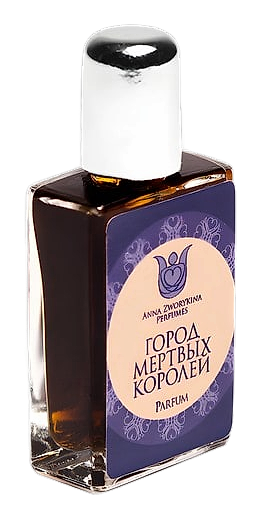
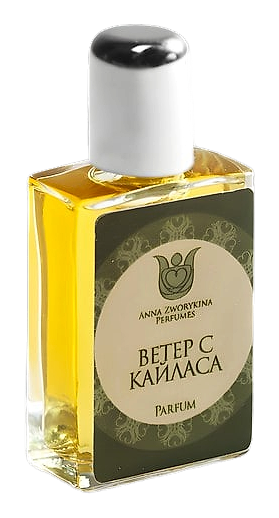
Mount Kailash stands in Tibet, untouched by the major religions that orbit it, Buddhism, Hinduism, Jainism, Bon. Pilgrims circle it. No one climbs it. Its summit has never been summited. In 2008, Anna Zworykina turned that silence into a fragrance. The name isn't metaphorical. The mountain is the subject. Wind From Mount Kailash is an attempt to translate altitude, emptiness, and sacred ritual into something you can wear on skin.
What makes this composition unusual is the structure. Most fragrances lead with sweetness or fruit, something that announces itself. Here, the opening is bitter, green, and almost medicinal. Wormwood and white sage arrive together, sharp enough to feel like cold air in the lungs. Then the resins shift the temperature. Elemi and Cistus absolute don't sweeten the composition, they deepen it, adding weight without warmth. By the time frankincense settles into the heart, the fragrance has already committed to its character: austere, contemplative, and deliberately not easy.
The evolution
The first ten minutes hit hard. Juniper and white sage prick the skin like wind across bare rock. The wormwood doesn't recede, it lingers at the edges, a bitter undertone that keeps the freshness honest rather than pleasant. Then the resins arrive. Elemi and Cistus absolute move in like fog rolling over a valley, slow, total, enveloping. The frankincense emerges not as a single note but as a gradual shift, the sharp green of the opening giving way to something smokier, older, like air in a temple that's been burning incense for centuries. The guaiac wood and oregano hold the middle for a substantial portion of the wear, herbal but grounded. Cedarwood and opoponax take over from there. The smoke doesn't disappear, it settles into the skin like the memory of something burned. The drydown is a quiet resinous warmth that clings like incense smoke in a closed room.
Cultural impact
Wind From Mount Kailash occupies a specific corner of the niche world: the collector who treats fragrance as ritual object, not daily accessory. It appeals to those who've moved past mainstream woody or fresh fragrances and want something that makes a statement through restraint rather than sillage. The scent sits comfortably alongside other mountain-and-incense compositions from the early 2000s niche boom, not a crowd-pleaser, but a considered choice.