
The Story
Why it exists.
The beginning
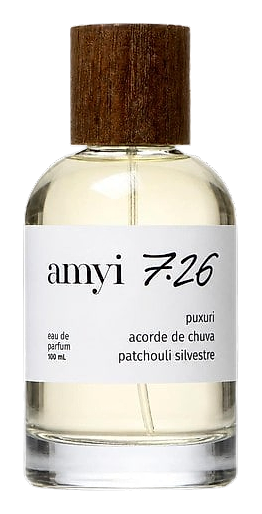
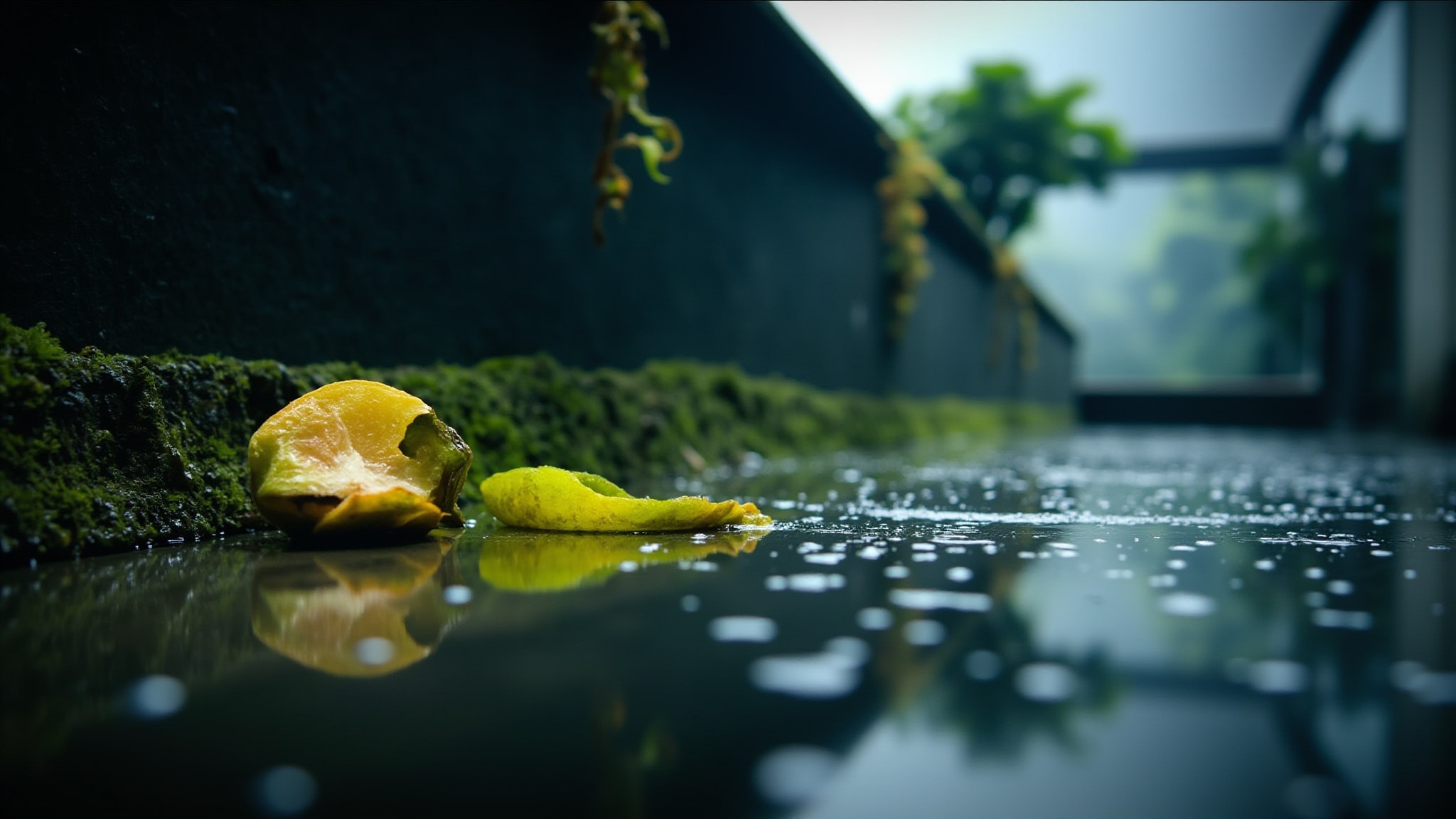
Amyi 7.26 began with a clear reference point: the living forest of Pará in the Amazon. In 2026, perfumer Samuel Moraes translated that setting into a contemporary fragrance built around Puxuri, a rain accord, and wild patchouli. The aim wasn't a decorative snapshot of greenery. It was the sensation of reconnecting with the forest, where the air changes before rain, moisture gathers beneath the canopy, and the earth seems to breathe. That idea gives the release its unusual tension. Puxuri supplies a distinctly culinary spice, while rain notes and green notes create the atmosphere around it. Floral and aromatic elements add texture, and a base of vetiver, sandalwood, balsamic notes, and patchouli gives the composition weight. The result feels less like a conventional nature perfume and more like a field note turned into scent.
The key pairing is Puxuri with a rain accord. Puxuri is the sharp point: a warm, peppery spice that can recall a kitchen rather than a garden. Rain accord changes its context, making that culinary warmth feel humid, green, and elemental. Patchouli then supplies the clearest link to the forest idea, but it arrives as part of a structured chypre frame rather than a simple earthy shower. Vetiver adds dry structure, sandalwood brings smooth polish, and balsamic notes deepen the base. What makes the composition worth studying is the way opposing textures hold together: food-like spice, wet atmosphere, floral detail, and grounding woods.
The evolution
The opening begins with citrus brightness and a forceful hit of Puxuri. That spice can feel almost culinary, sharp enough to register as a seasoning rather than a conventional perfume note. As the citrus recedes, the composition moves into its atmospheric middle. Floral notes, rain accord, green notes, and aromatic notes gather around it, carrying the impression of foliage, damp air, and water on a trail. The structure becomes clearer as patchouli rises through the heart. The greenness doesn't remain a simple fresh effect; it grows darker and woodier, joined by balsamic notes that lend a deep, resinous shadow. In the drydown, vetiver, sandalwood, patchouli, and the balsamic base settle close to the skin. The result feels less airy than the opening and more grounded, like earth after rain.
Cultural impact
Amyi 7.26 fits the house's appeal to collectors who value conceptual numbering, systematic releases, and compositions that reward close attention. Its approach to the Amazon is notably sensory: the forest is framed through humidity, spice, green growth, and earth rather than through a conventional scenic ideal. That places it within a culture of fragrance built around place, atmosphere, and close reading of composition.
The House
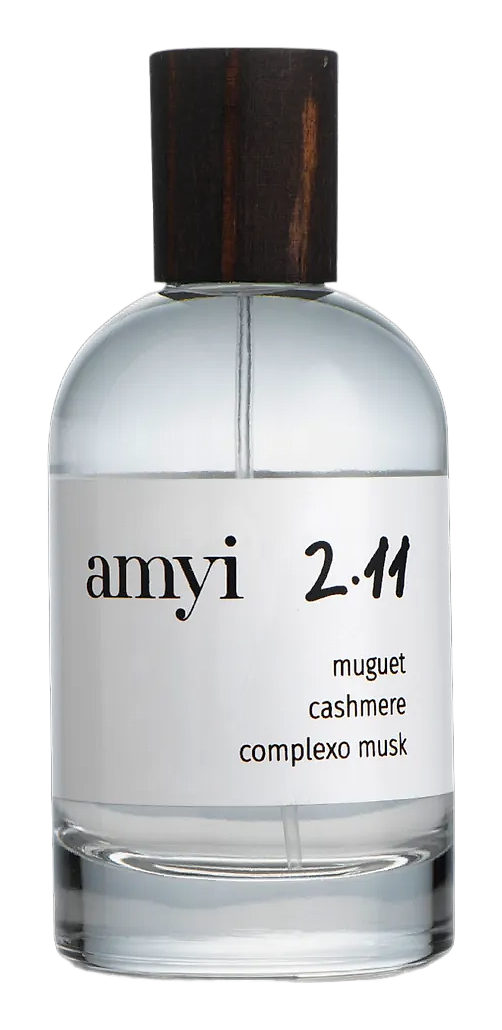
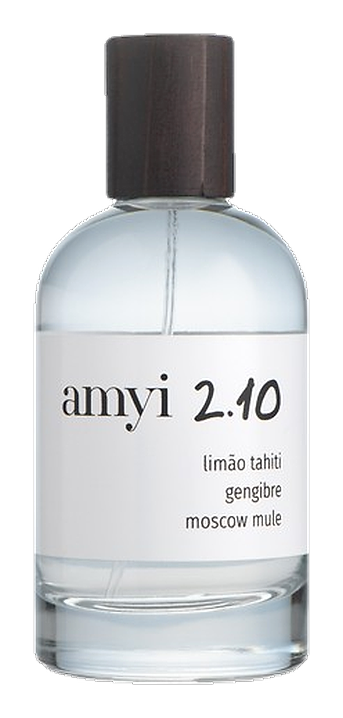
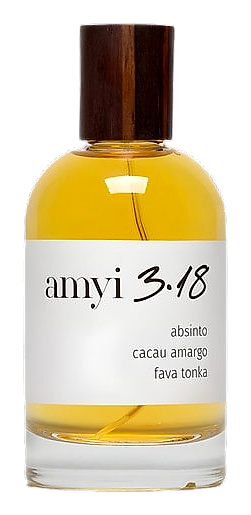
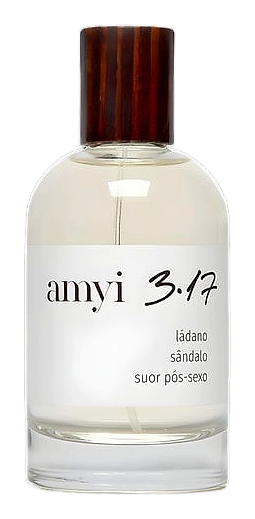
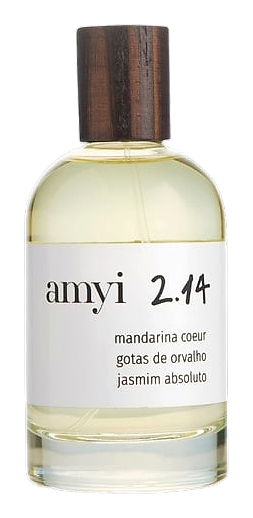
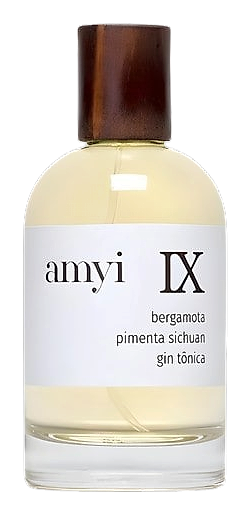
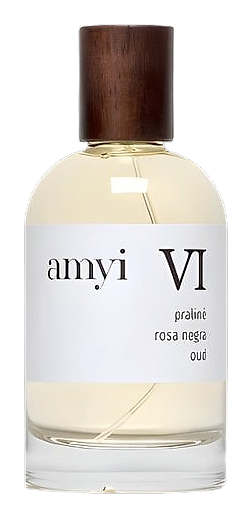
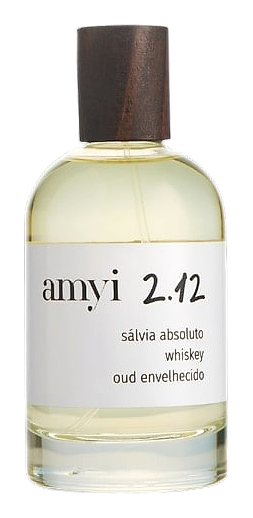
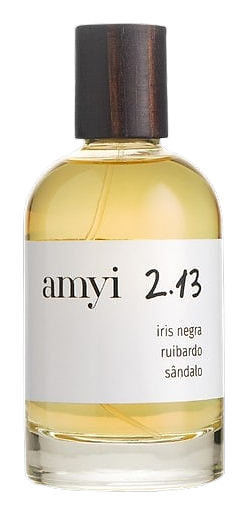
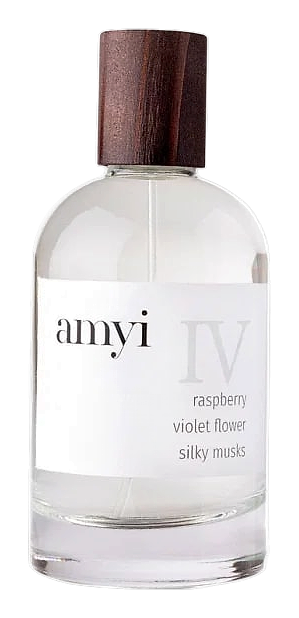
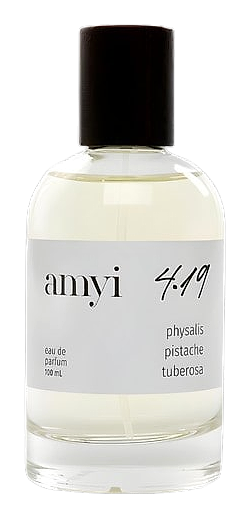
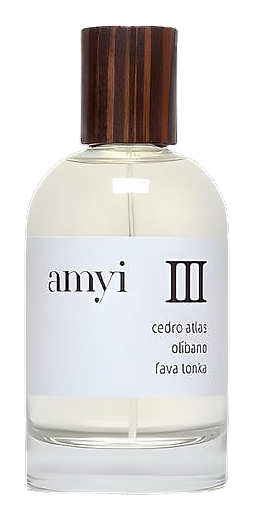
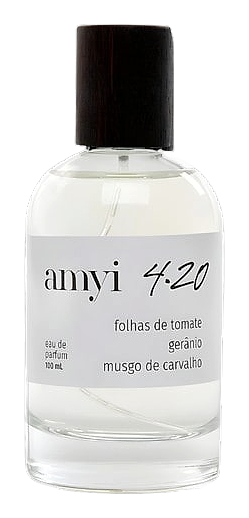
AmyiAmyi is a fragrance house that has released multiple scent collections spanning from 2019 through 2025. The brand's naming convention reveals a structured approach to fragrance development, with releases organized into series marked by both numerical sequences (such as the 2.x series featuring 2.10, 2.11, 2.12, and 2.13) and Roman numeral designations (I through VII). This systematic methodology suggests a brand built around coherent collections rather than standalone releases. The house has maintained consistent output across multiple years, with notable activity in 2019 (the Roman numeral series) and 2021 (the 2.x series), followed by new additions in 2025. Publicly available information about the founder, creative director, or perfumer behind Amyi remains limited, making this a relatively opaque house in an industry where brand identity often centers on individual creatives.
The Creator
Samuel MoraesSamuel favors a layered approach, building a foundation of classic woods or musks before weaving in unexpected accents such as tropical fruits or regional spices. He often starts with a clear structural backbone—cedar, sandalwood, or amber—and introduces a single, vivid top no…