Puxuri
Puxuri brings a polished, aromatic darkness to fragrance, pairing dry spice with warm woods and a restrained sweetness.
Character
How it smells
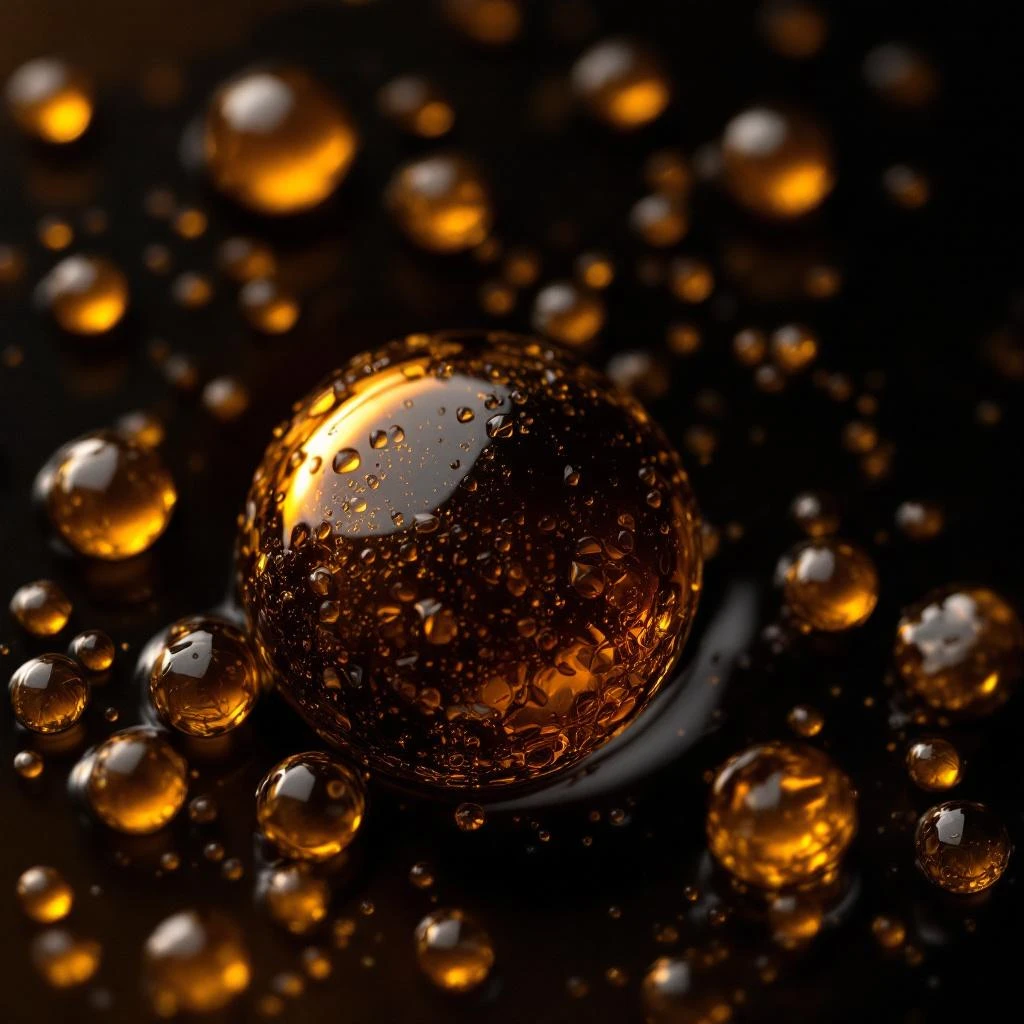
A dark spice accord with polished woody depth.
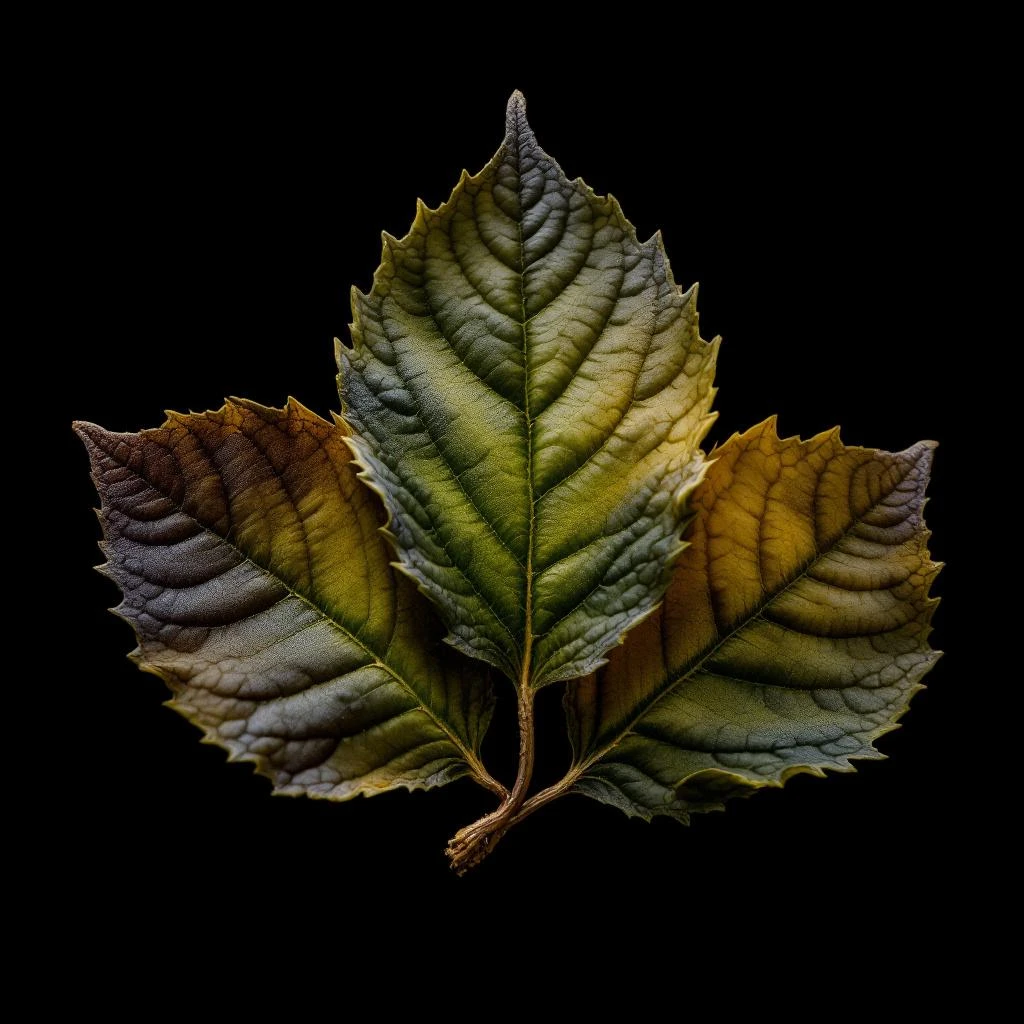
Its name evokes “pux” or incense smoke, fitting a note commonly used to add smoky, resinous depth.
Origin
France
The idea behind Puxuri belongs to a long history of incense-based fragrance. Aromatic materials such as resins, spices, woods, and smoke were used across ancient perfume traditions, while later perfume makers developed increasingly precise methods for concentrating and composing these materials.
The name Puxuri is widely associated with a modern woody-spice style associated with fragrances such as Emeraude by Lalique, introduced in 1921, whose name refers to a green gemstone. Puxuri compositions typically draw on the atmosphere of incense rooms and chypre structures, combining dry spice, aromatic woods, resins, and a measured animalic warmth.
In contemporary perfumery, the accord reflects the meeting of natural materials with modern aroma chemistry. It is not itself a historic substance with one fixed origin, but a modern descriptive term for a dark, incense-like fragrance direction rooted in older resin and spice traditions.
Wears it best
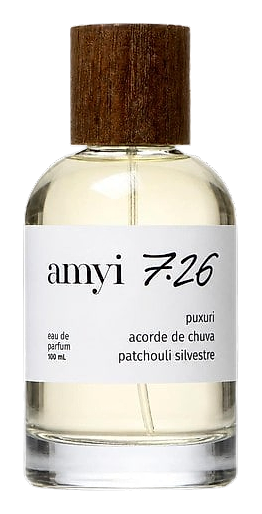
Fragrances featuring Puxuri
Brands
Brands known for Puxuri
Good to know
Questions, answered
The essentials on Puxuri in perfumery: how it smells, where it comes from, and how it behaves on skin.
What does Puxuri smell like?
Puxuri smells dark, warm, and aromatic, with dry pepper and cardamom spice over incense-like woods and resins. Its character is often described as smoky, woody, and slightly sweet, with a restrained, polished finish.
Is Puxuri a natural ingredient?
Puxuri is usually a fragrance accord or descriptive fragrance name rather than one natural substance. A supplier may build it from essential oils, resins, spice extracts, and synthetic aroma molecules, so its composition depends on the manufacturer.
Which notes are commonly used to create Puxuri?
Common building blocks include black pepper, cardamom, incense, myrrh, labdanum, vetiver, sandalwood, and patchouli. These materials provide the accord’s dry spice, resinous smoke, and deep woody structure.
Where did the Puxuri fragrance style originate?
The modern Puxuri style developed within French perfumery, where traditional incense and chypre structures met modern aromatic chemistry. Its historical background is broader, drawing on perfume traditions that used resins, spices, woods, and smoke for fragrance.
Is Puxuri the same as incense?
No. Incense is one important building block, but Puxuri usually combines incense with spices, woods, resins, and sweetness. It is an accord that evokes incense smoke rather than a single raw material.
What fragrance family is Puxuri in?
Puxuri generally sits within the woody, spicy, and resinous fragrance families. Depending on the composition, it can also show chypre, smoky, or amber-like qualities.
Does Puxuri work well in unisex fragrances?
Puxuri suits many unisex compositions because its dry woods and controlled spice do not depend on a clearly floral or gendered profile. Its darkness can balance citrus, florals, leather, or smoky vanillas.
Can Puxuri be made entirely from natural materials?
It can be approximated with naturals such as black pepper, cardamom, incense resin, myrrh, vetiver, and woods, though a precise Puxuri effect may require aroma chemicals. Natural-only versions tend to vary more with harvest and extraction.