The Story
Why it exists.
The beginning
Amyi 2.13 arrived in 2021 as part of the house's systematic 2.x series, a catalog of variations that reward patient study over impulse. Samuel Moraes built this one around a structural decision that goes against instinct: placing black iris at the top. In most compositions, iris plays a supporting role, a quiet powder that ties a fragrance together. Here, it opens. Bold, creamy, immediately present. The official description calls it "extremely noble", and that's not marketing language. It's an accurate description of what happens when a material usually kept in the wings steps into the spotlight. The rum, the citrus, the heart florals, they were chosen to frame that iris, not compete with it.
The choice to lead with black iris affects everything downstream. Iris carries a powdery, almost violet-like softness that can read as cold or detached in the wrong company. Amyi 2.13 counters that by pairing it with rum, a spirit note that adds warmth, a slight green edge, and an unexpected depth. The citrus fruits (citruses, plural, suggests a blend rather than a single bright note) lift the opening without sharpening it. Together, the top creates a first impression that is simultaneously creamy and bright, floral and spirit-forward. That tension, powdery iris warmed by rum, lifted by citrus, is what makes the opening distinctive. Most fragrances with iris lean it toward soap or violet.
The evolution
The opening announces itself immediately: black iris, creamy and present, with rum lending body and citrus adding lift. It reads powdery without being cold, the rum warmth stops it from going soapy. Within the first hour, the citrus fades and the heart begins to emerge. Magnolia arrives soft, fleshy, tropical. Tuberose adds a waxy, almost indolic richness that deepens the floral dimension. The rhubarb, likely used in small quantity, adds a tart green note that keeps the heart from becoming too heavy. By the second hour, the drydown takes over. Benzoin provides a sweet, resinous warmth. Patchouli brings its earthy, slightly bitter complexity. Sandalwood rounds everything into a creamy woody base that lingers close to the skin. The iris doesn't disappear, it retreats, softened by the benzoin, present but no longer announcing itself. On most skin types, the full arc runs four to six hours, with the woody base holding intimate sillage into the final stretch.
Cultural impact
Amyi 2.13 arrived in 2021 as part of the house's systematic 2.x series, a deliberate cataloging system that suggests formulation-driven development rather than the narrative-driven fragrance creation common in commercial perfumery. The numbered approach places Amyi in a lineage of niche houses that treat fragrance as an iterative practice, each release part of a larger exploration rather than a standalone event. The choice of black iris as a structural anchor rather than a supporting note reflects a broader trend in independent perfumery toward ingredient transparency and boldness. Rum as a companion note taps into the spirit-forward fragrance movement that gained momentum in the late 2010s, where distillation and mixology aesthetics began influencing scent composition.
The House
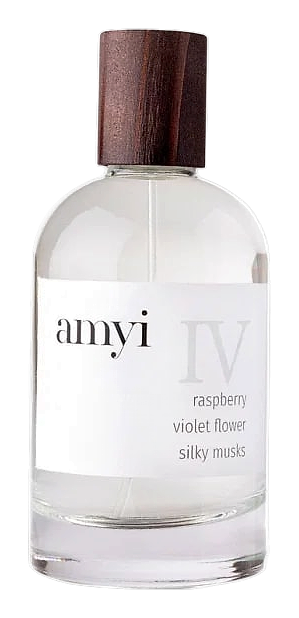
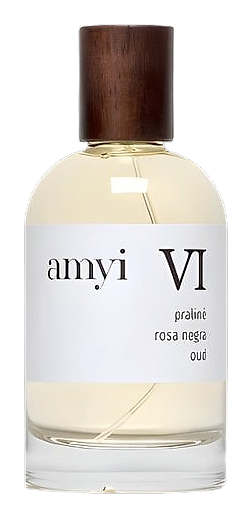
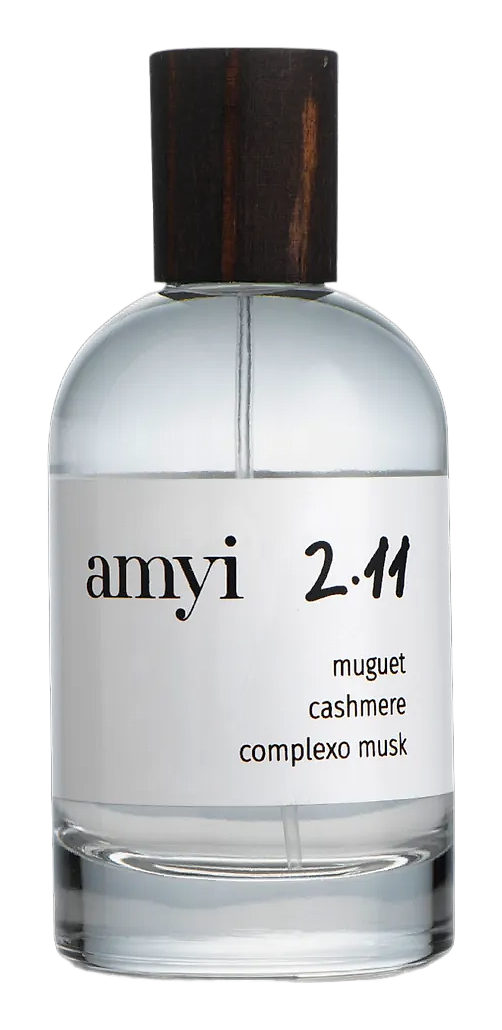
AmyiAmyi is a fragrance house that has released multiple scent collections spanning from 2019 through 2025. The brand's naming convention reveals a structured approach to fragrance development, with releases organized into series marked by both numerical sequences (such as the 2.x series featuring 2.10, 2.11, 2.12, and 2.13) and Roman numeral designations (I through VII). This systematic methodology suggests a brand built around coherent collections rather than standalone releases. The house has maintained consistent output across multiple years, with notable activity in 2019 (the Roman numeral series) and 2021 (the 2.x series), followed by new additions in 2025. Publicly available information about the founder, creative director, or perfumer behind Amyi remains limited, making this a relatively opaque house in an industry where brand identity often centers on individual creatives.
The Creator
Samuel MoraesSamuel favors a layered approach, building a foundation of classic woods or musks before weaving in unexpected accents such as tropical fruits or regional spices. He often starts with a clear structural backbone—cedar, sandalwood, or amber—and introduces a single, vivid top no…