Black iris
The purple-petaled flower whose underground root yields one of perfumery's most treasured materials. Aged for years, black iris carries a quiet, powdery depth that feels both ancient and modern.
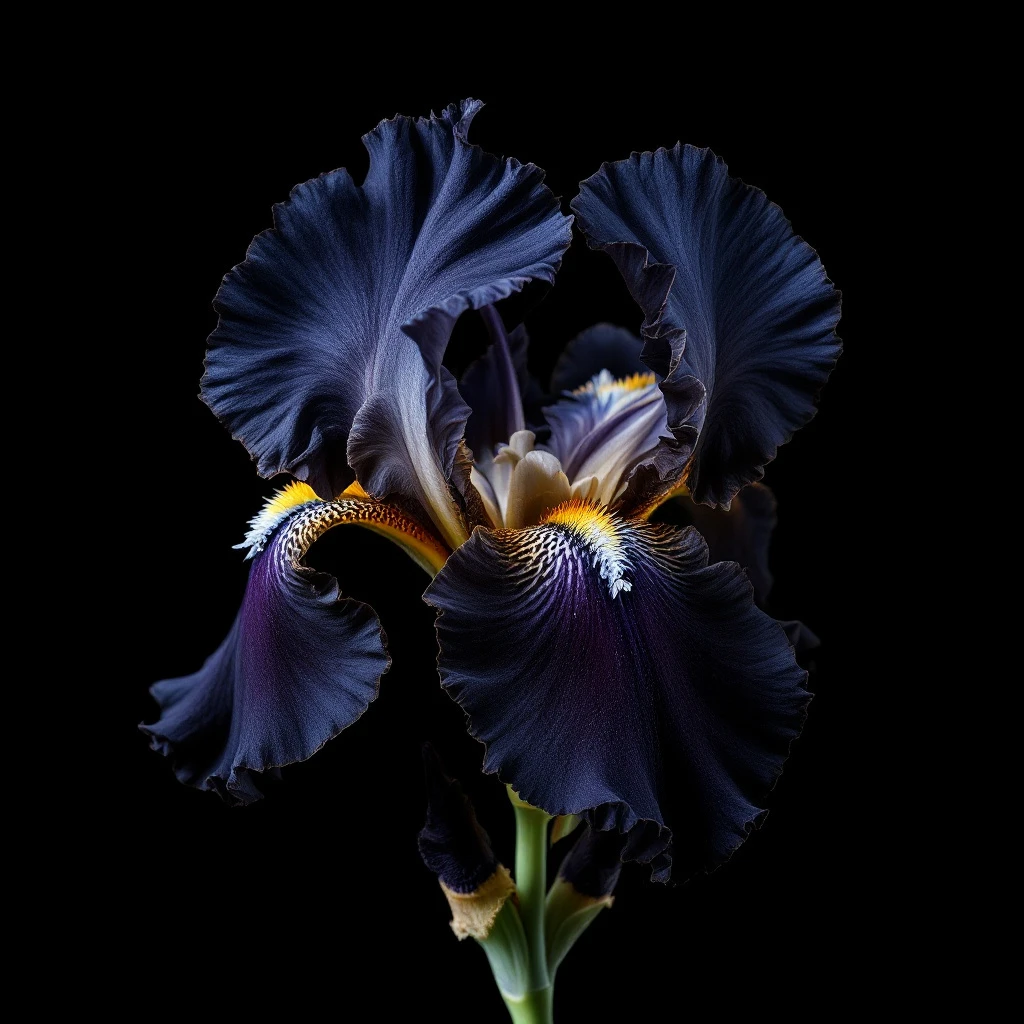
Character
How it smells
Powdered violet wrapped in ancient luxury.
The rhizomes must dry for up to 3 years before extraction concentrates the aromatic compounds into a prized butter.








Origin
Italy
Ancient Egyptians first discovered the aromatic potential of iris, using the root in cosmetics and medicinal preparations. Greek physicians documented its use for healing, and Roman perfumers incorporated orris into their finest mixtures. The ingredient truly rose to prominence during the Renaissance, when powdered perfumes became the rage across European courts.
Italian perfumers led this movement, and Catherine de Medici herself brought iris expertise to France when she married into the French royal family. By the nineteenth century, French perfumers had refined the extraction process and began creating softly powdered scents that defined an era. The ingredient appeared in landmark fragrances that still influence perfumery today.
While native to the Far East, cultivation shifted westward over centuries. Today the finest orris grows in the Tuscan hills of Italy and across Morocco, where the climate and soil produce rhizomes with exceptional aromatic depth. Each harvest represents years of patient cultivation before the root ever reaches a still.
Wears it best
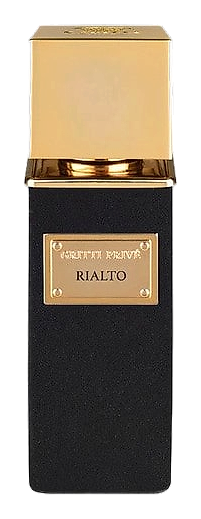
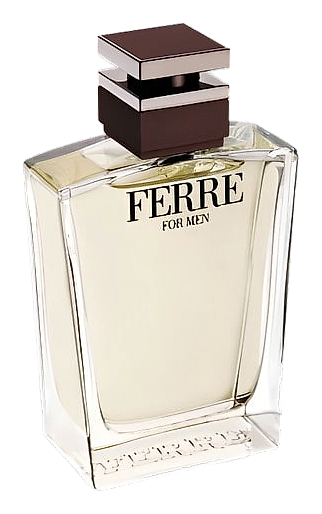
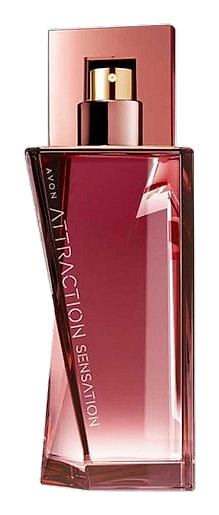
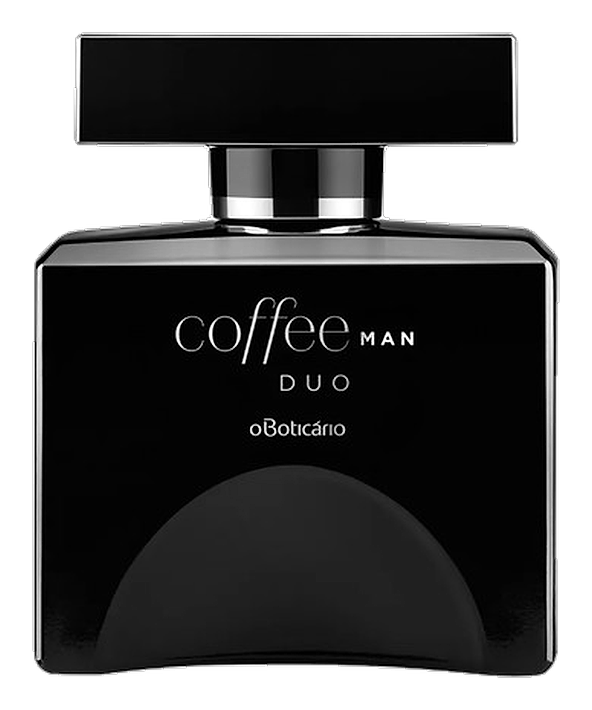
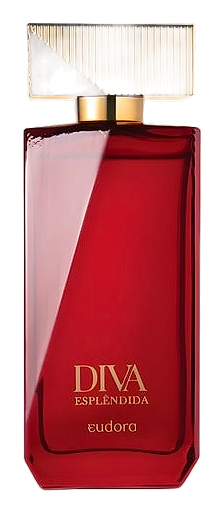
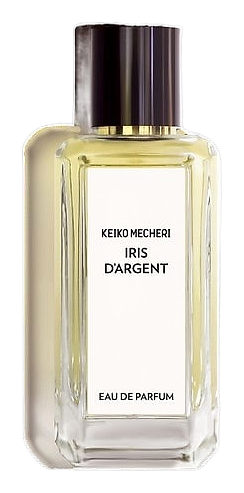
Fragrances featuring Black iris


Brands
Brands known for Black iris
Good to know
Questions, answered
The essentials on Black iris in perfumery: how it smells, where it comes from, and how it behaves on skin.
Why is black iris so expensive?
Black iris commands premium prices because production demands extraordinary time and raw material volume. One kilogram of orris absolute requires roughly one ton of fresh rhizomes, and the roots must air-dry for up to three years before extraction even begins.
How long does orris take to produce?
Orris is one of the slowest ingredients in perfumery. From harvest to finished extract, the process takes a minimum of three years, with most of that time spent on the slow air-drying of rhizomes in open-air conditions.
What does black iris smell like?
Black iris presents as powdery, woody, and earthy with a distinct violet-like sweetness. The depth comes from irone, the primary aromatic compound that develops during the extended drying phase of the rhizome.
Is black iris natural or synthetic?
Black iris in fine perfumery typically refers to natural orris absolute from Iris pallida or related species. Some fragrance houses use synthetic alternatives to replicate the powdery violet character at lower cost.
Where does orris grow best?
The finest orris cultivation happens in two regions: the Tuscan hills of Italy and the mountain regions of Morocco. Both areas offer the well-drained soil and dry climate that iris rhizomes require for optimal aromatic development.
What is the difference between orris and iris absolute?
Orris and iris absolute come from the same plant but differ in processing and concentration. Orris butter is the intermediate product extracted from dried rhizomes, while iris absolute undergoes additional refinement for a purer aromatic profile.
How is black iris used in perfumery?
Black iris works as both a heart and base note, providing powdery elegance and fixative power. Perfumers pair it with rose, violet, and woody materials, and it appears in Chanel No. 19 and Guerlain's heritage fragrances.
What species produce commercial orris?
Commercial orris comes primarily from Iris pallida and Iris germanica. The former offers sweeter, more violet-forward notes, while the latter tends toward a deeper, more resinous aromatic profile.