The Story
Why it exists.
The beginning
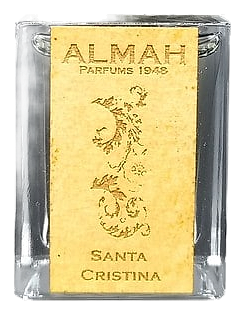
Santa Cristina takes its name from the Catalan coast, a stretch of Baix Empordà where the Cami de Ronda hugs cliffs above the Mediterranean, pine trees filtering the salt breeze. Perfumer Jordi Magrans built this fragrance around that specific walk: the moment morning air cools warm skin, when sea and greenery exist in the same breath. It launched in 2019 as an homage to Costa Brava territory that most fragrance naming barely glances at. No abstract florals here. This is a place.
What makes Santa Cristina interesting is how its materials argue with each other. Green tea and lavender are herbal, almost medicinal. Jasmine and gardenia are lush and sweet. Rose and orange blossom soften everything. Then the base injects cloves, warm spice that could tip into potpourri territory if the green and powdery notes didn't hold it in check. Florentine iris is the quiet anchor: powdery, cool, slightly metallic. It gives the top notes somewhere to land without turning the whole composition syrupy. Patchouli and vetiver keep the drydown earthy rather than sweet. The result is green-floral with a bite, Mediterranean without retreating into generic sunshine notes.
The evolution
The opening announces itself quickly: rose and orange blossom hit bright and dewy, but geranium keeps them from getting soft. The green tea reads cool and slightly astringent, like walking into a pine grove where the air still holds night moisture. Around 30 minutes in, the lavender arrives. It shifts the composition from fresh to aromatic, the gardenia and jasmine adding body but not sweetness. The cloves are present from the start, but they don't dominate until the drydown. Four to six hours in, the formula settles into amberwood and musk, the green-floral character softening into something powdery and warm. Vetiver and patchouli linger closest to the skin, giving the final phase an earthy, slightly bitter quality that refuses to disappear entirely.
Cultural impact
Launched in the optimistic aftermath of World War II, this Florentine creation emerged from an era when Italian perfumery sought to redefine luxury for a new generation. The combination of Bulgarian rose, Tunisian orange blossom, and Florentine iris captured the spirit of Renaissance artistry meeting modern sophistication. The brand's commitment to using precious natural ingredients reflected post-war aspirations for beauty and craftsmanship, positioning this fragrance as both a sensory experience and a cultural statement about Italian heritage and elegance.