
The Story
Why it exists.
The beginning
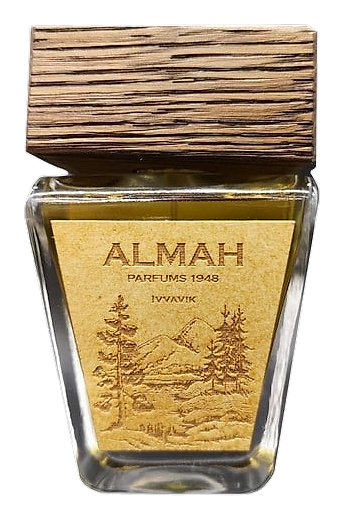
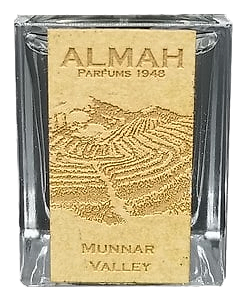
Munnar Valley is named for a real place: the tea-growing highlands of Kerala in South India, where fog rolls through terraced fields and the air carries spice, green leaves, and cedar. The perfumer, Jordi Magrans, traveled there with plans to stay two nights. He stayed two weeks. What kept him was not scenery alone, it was the farmers moving through the fields at dawn, the smell of masala chai brewed over open flame, the way the mist held the whole valley in a single breath. Munnar Valley is the olfactory memory of that landscape: humid, green, spiced, and endlessly calm. Magrans translated those two weeks into a fragrance that holds the weight of a place he clearly did not want to leave.
The structure is unusual: tea notes threaded through the entire pyramid rather than confined to a single phase. This structural choice makes the composition feel less like a narrative and more like an environment. The galbanum anchors the green freshness at the top while Sichuan pepper and cardamom introduce warm spice from the opening. Ebony and red sandalwood appear in the heart alongside incense, grounding the aromatic character in something darker and more resinous.
The evolution
The bergamot opens bright, but it does not stay long. Within minutes the Sichuan pepper arrives, a clean, sharp spark that sets the tone. Then the galbanum takes over: green, bitter, alive. This is the mist. It lasts longer than expected. In the heart phase, the teas emerge as the true protagonist. Black tea and green tea layer together while cardamom and warm spices add a spiced sweetness that sits just beneath the surface. The Sichuan pepper stays, holding the aromatic thread. The ebony and red sandalwood begin to rise, adding wood and a woody quality that echoes the cedar-and-iron train stations of the Munnar landscape. The heart holds for hours, this is a slow fragrance by design. In the drydown, the siam benzoin arrives with its honeyed, almost balsamic sweetness. Tonka bean softens the wood.
Cultural impact
Munnar Valley draws from the tea culture that has shaped the Kerala highlands. Almah Parfums 1948 presents this story through the lens of their perfumer, Jordi Magrans, who spent two unplanned weeks in Munnar. The green-tea character taps into a long history of tea-inspired scents in perfumery, from early colognes to modern interpretations. The fragrance's layered approach to its central ingredient reflects a more considered take on botanical storytelling, grounding the composition in something tangible rather than abstract.