
The Story
Why it exists.
The beginning
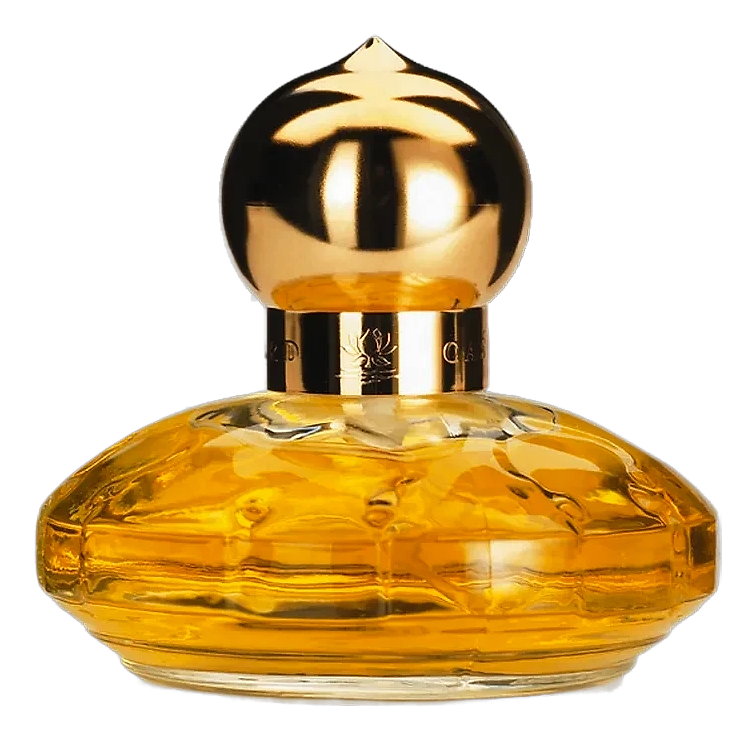
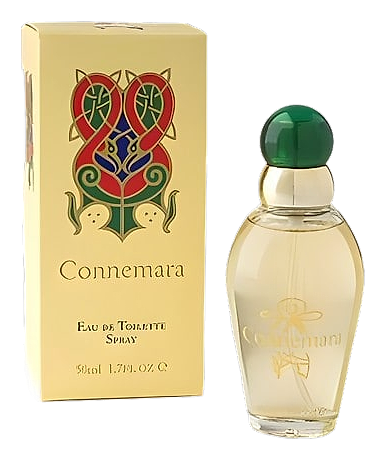
Connemara takes its name from a real place, the windswept, mountainous coastline of County Galway, Ireland. The landscape there, with its peat bogs and stone walls, its coastline exposed to the full force of the Atlantic, provides the kind of raw, elemental beauty that doesn't announce itself. The Celtic Book of Kells styling on the bottle hints at what the maker was after, ancient pattern and restraint, not ornamentation. This is a fragrance that knows where it comes from and doesn't need to shout about it. It carries something of that Irish wildness, translated into scent rather than spectacle.
What sets Connemara apart from typical floral compositions is the tension between its cool and warm registers. The opening, lily of the valley and violet, reads crisp, almost mineral. But as it develops, the mimosa and carnation introduce a vintage warmth that feels unexpected in a modern context. The cool floral top notes provide an initial restraint, while the heart notes offer a depth that suggests something older, more rooted in the classical perfumery tradition. The contrast between these two approaches gives the fragrance its particular character, neither fully one thing nor the other.
The evolution
The opening announces itself with violet and freesia, bringing a powdery floral presence that can feel vintage in character. Give it some time. Once the top notes settle, what remains is a classical powdery floral that gets better as it develops. The mimosa and carnation give it an old-world depth you do not often find in contemporary fragrances. The drydown is where Connemara earns its keep, with musk, sandalwood, and vanilla creating warmth that stays close to skin. The base notes linger pleasantly, offering a quiet staying power that rewards those who appreciate fragrances that unfold gradually rather than declare themselves all at once. Connemara is a classic fragrance that rewards patience.
Cultural impact
Connemara presents itself as a classical powdery floral in a market often drawn to louder fragrances or minimal fresh profiles. The vintage quality of the mimosa and carnation gives it a specific appeal that mass-market florals simply do not offer. There is something here for anyone tired of the expected, a fragrance that offers real character and a different kind of presence. Its old-world warmth and powdery structure stand apart from much of what dominates contemporary fragrance counters.