The Story
Why it exists.
The beginning
Maurice Roucel composed Desire for a Woman in 2001. From the first spray, the composition announces itself with that dense, almost confectionery sweetness anchored by real materials. There's a generosity to the opening that feels intentional, as if Roucel wanted the wearer to feel immediately held by the scent rather than teased by it. The sweetness has weight without becoming cloying, and the balance between indulgent and wearable is struck in the very first moments. This is a scent that wants to be noticed, but politely. The architecture underneath all that softness is careful, structural, built to last rather than built to dazzle in a single breath.
What's interesting is the licorice. Black licorice in a women's floral from 2001 was an unusual move. Roucel puts the licorice in the heart next to rose and tiare flower, which gives the composition a faintly bitter, anise-edged lift that keeps it from collapsing into pure sugar. It's the structural choice that makes the whole thing work. The rosewood in the opening adds a creamy, woody warmth that bridges the bright citrus top into the denser heart without a seam.
The evolution
The opening belongs to bergamot and rosewood, a creamy, slightly green brightness that feels like stepping into a well-kept room. As the scent settles, the white florals arrive: freesia, rose, tiare flower, and that black licorice threading underneath like a whispered accent. The sweetness deepens noticeably as the hours pass. Vanilla and amber take over, the musk settles in close, and the whole composition relaxes into something warmer and more intimate than where it started. What lingers late in the wear is mostly a soft amber-vanilla skin scent, with a trace of rosewood still detectable close to the skin. It doesn't project far in the final hours, but it stays present like a memory of something.
Cultural impact
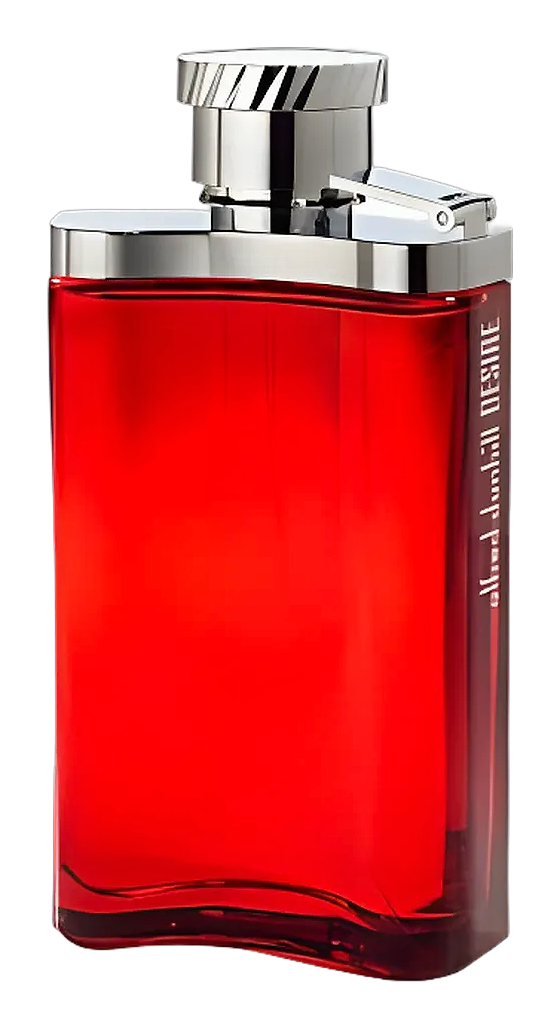
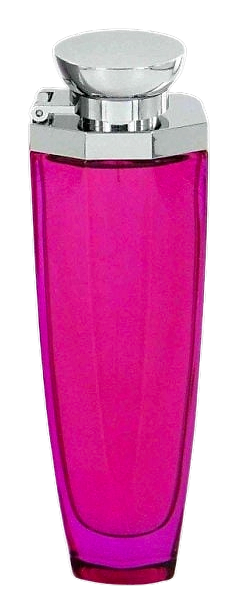
Released as part of Alfred Dunhill's fragrance portfolio, Desire for a Woman sits within a wider conversation about how the brand approaches feminine scent. Bergamot opens with a familiar citrus brightness, while magnolia in the heart pushes the fragrance into softer territory that invites a more nuanced reading than a straightforward floral. Rosewood in the opening grounds the composition with a woody warmth that keeps it from drifting into purely floral territory. The bottle design has drawn quiet appreciation for its considered details, including a cap that one reviewer likened to a polished lighter.