The Story
Why it exists.
The beginning
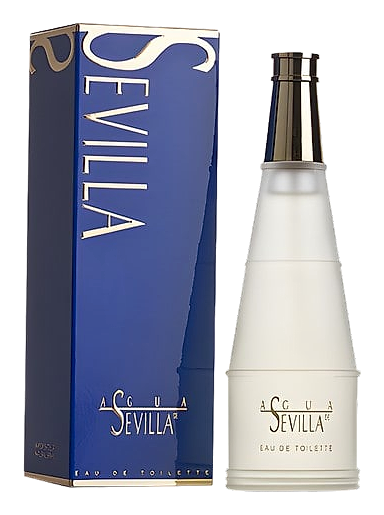
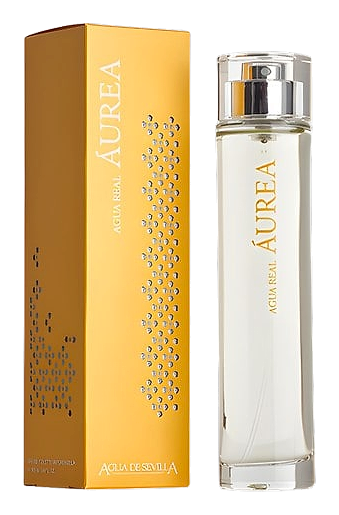
Agua de Sevilla released Aurea in 1996. The name comes from the Spanish word for gold, aurea, and the fragrance itself leans into that suggestion: warm citrus wrapped around orange blossom, the house's signature register, with a marine undertow running quietly beneath the surface. Bergamot and mandarin open bright and sharp, almost sunlit. Water lily and seaweed keep the bloom from drifting into something purely floral, pulling the composition toward something cooler and more saline. It's a garden close to the sea, where the salt air mixes with the blossoms instead of replacing them. The whole thing reads as a brighter, more aqueous variation on the orange blossom character the brand has built around.
What makes Aurea interesting structurally is the layering of an aquatic note with a full herbal and aromatic heart. Seaweed and water lily in the opening give the first wave its briny pull, then sage, cypress, tarragon, and cardamom arrive in the middle to roughen things up. Most citrus florals stop at the breeze. This one keeps building underneath, trading simple freshness for something with more backbone.
The evolution
Aurea opens with a burst of citrus and green tea, sharp and easy, the bergamot and mandarin catching light before the water lily softens the edges. Then the herbal spine arrives, sage and tarragon lifting the whole thing out of pretty and into interesting, with the jasmine sitting underneath like an unexpected flourish. The spices stay muted, a whisper of nutmeg and cardamom in the background, never loud enough to take over. The drydown takes its time. Patchouli and sandalwood settle in, iris softening everything into a powdery warmth, tonka bean adding a faint sweetness without crossing into gourmand. What lasts longest is the vetiver and amber, a clean warmth that stays close to skin before getting woody and faint. By the next morning it's a thread, barely there, clean and mineral on clothes.
Cultural impact
Aurea sits in the same register as the rest of the Agua de Sevilla line. Released in 1996 under the Aguas Reales collection, it leans on white tea, seaweed, and water lily to give the composition a coastal-leaning character within Spanish perfumery. The citrus-orange blossom base stays intact, but the marine and herbal additions shift the fragrance away from the heavier amber bases common to many regional Spanish scents and toward something brighter and more aqueous. Its continued production decades after launch suggests the formula found an audience that valued its particular balance.