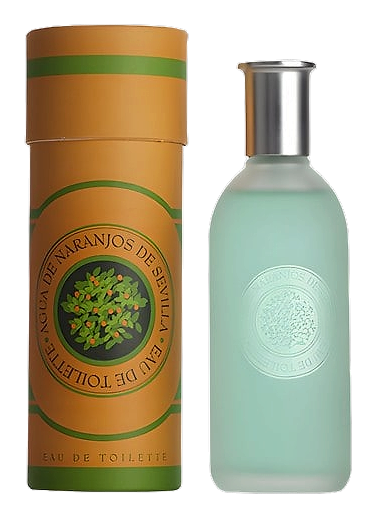
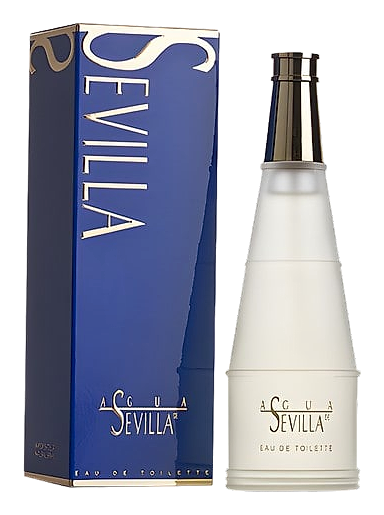
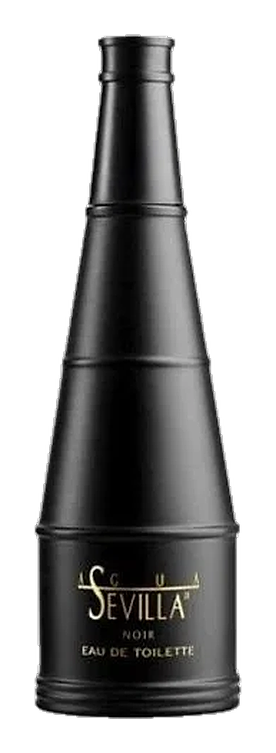
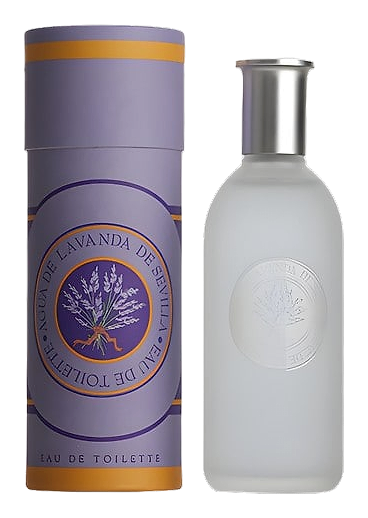
The Heritage
The Story of Agua de Sevilla
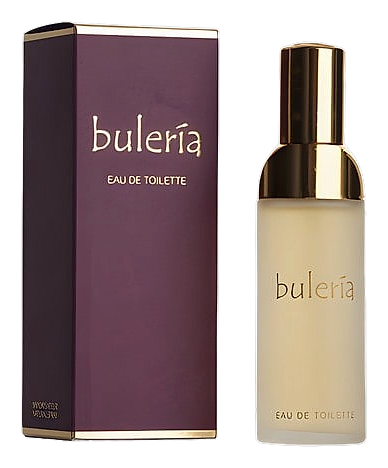
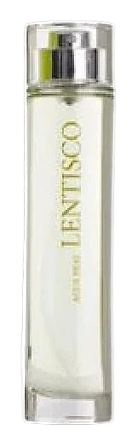
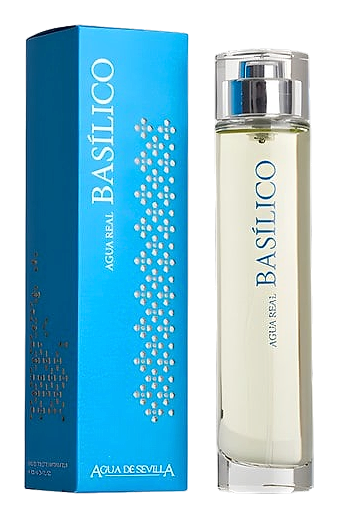
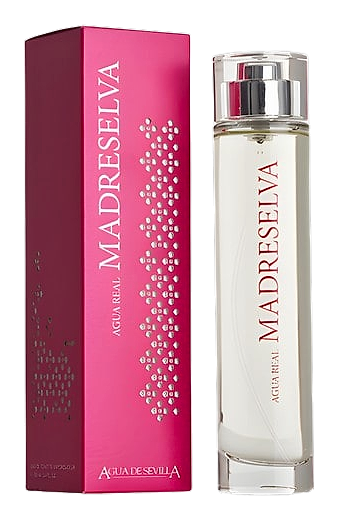
Agua de Sevilla is a Spanish fragrance house that translates the breezy atmosphere of southern Spain into scented bottles. Founded by Isabel Rodríguez de Quesada and José Antonio Saenz, the label launched its first perfume, Agua de Sevilla, in 1990 and has since expanded to a modest portfolio that includes Agua de Naranjos, Noir, Agua de Lavanda, Basilico, Lentisco, Aurea, Madreselva and Bulería. The brand positions itself as a family‑run atelier that draws on regional ingredients and a relaxed Mediterranean outlook.
Heritage
The story of Agua de Sevilla begins in the early 1990s when Isabel Rodríguez de Quesada, a native of Seville, partnered with José Antonio Saenz, a longtime retailer of artisanal goods. Both shared a desire to capture the scent of their hometown – the citrus groves, orange‑blossom breezes and the salty air that rolls in from the Guadalquivir. In 1990 they introduced the eponymous Eau de Cologne, Agua de Sevilla, a citrus‑forward composition that quickly found a niche among locals who appreciated its authenticity. The success encouraged the duo to develop a line of complementary scents, each anchored to a specific element of Andalusian life. Agua de Naranjos arrived in 1999, emphasizing the sweet, slightly bitter aroma of ripe oranges, while Noir, released in 1998, explored darker, more resinous notes inspired by Seville’s historic evenings. By the turn of the millennium the house added Agua de Lavanda (2000), a tribute to the region’s lavender fields, and Bulería (2000), a lively fragrance that mirrors the rhythm of flamenco. Throughout the 1990s and early 2000s the brand remained a small‑scale operation, producing limited batches in a workshop adjacent to the founders’ home. This close‑knit production model allowed them to maintain direct oversight of every step, from raw material selection to bottling. While the company never pursued aggressive expansion, it cultivated a loyal following among connoisseurs who value the transparent, family‑centric approach. Over the years the brand has participated in regional fairs such as the Feria de Artesanía de Sevilla, where it showcased its latest releases and reinforced its connection to local craft traditions. Today, Agua de Sevilla continues to operate from Seville, preserving the original ethos of creating scents that feel like a walk through the city’s sun‑lit streets.
Craftsmanship
Production at Agua de Sevilla takes place in a modest atelier attached to the founders’ residence, a setting that encourages hands‑on oversight. Raw materials arrive in small, sealed containers, allowing the perfumers to assess each batch for consistency. Citrus oils, the backbone of many compositions, are cold‑pressed within hours of harvest to retain their bright, volatile character. The house favors natural extracts over synthetics when the former can deliver the desired nuance, but it does not shy away from laboratory‑crafted aromachemicals that provide stability or depth, especially in the darker accords of Noir. Once the ingredients are measured, they are blended in stainless‑steel vessels at controlled temperatures; the mixture then rests in dark glass containers for a period ranging from three weeks to six months, depending on the fragrance’s complexity. This maturation stage is monitored by the founders, who periodically smell the evolving perfume and make minor adjustments if necessary. Bottling occurs on a handcrafted line that uses reclaimed glass sourced from a nearby manufacturer. Each bottle is hand‑filled, capped, and inspected for imperfections before being sealed with a waxed cork that bears the brand’s simple monogram. Quality control includes a final olfactory test by both Isabel and José Antonio, ensuring that the finished product matches the original brief. The limited‑run nature of each release means that the house can maintain tight batch records, traceability, and a low defect rate. By keeping the supply chain short and the production steps transparent, Agua de Sevilla upholds a level of craftsmanship that aligns with its family‑run identity.
Design Language
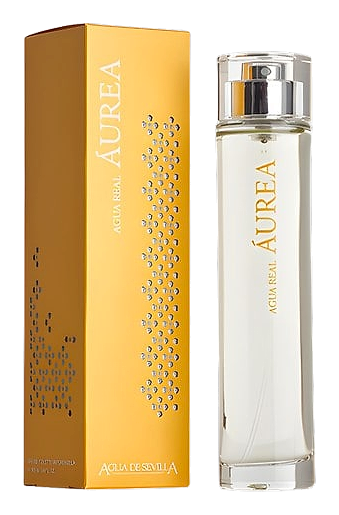
Visually, Agua de Sevilla embraces a minimal yet warm aesthetic that mirrors the sun‑warmed streets of its hometown. Bottles are typically clear glass with slender, rounded shoulders, allowing the colour of the perfume to become the focal point. Labels feature a hand‑drawn illustration of a Seville landmark – such as the Giralda or an orange tree – rendered in muted aquamarine or terracotta tones. The typography is a clean, sans‑serif typeface that conveys modernity without sacrificing readability. Caps are made of brushed aluminium or natural cork, each finished with a small metal tag bearing the brand’s initials. Packaging boxes are recycled cardboard, printed with a subtle linen texture and accented with a single foil‑stamped line that hints at the fragrance’s key note. This restrained visual language reflects the brand’s philosophy of letting scent speak louder than ornamentation. In retail settings, the brand often displays its bottles on reclaimed wooden trays, surrounded by fresh citrus slices or lavender sprigs, reinforcing the connection between the product and its source material. Seasonal limited editions may introduce a splash of colour – for example, a deep amber hue for a winter‑inspired scent – but the overall design language remains consistent, reinforcing recognisability across the portfolio.
Philosophy
At the heart of Agua de Sevilla’s creative vision lies a simple premise: fragrance should echo lived experience rather than chase abstract trends. The founders have repeatedly emphasized that each perfume is a narrative, a snapshot of a particular moment in Andalusian life. This narrative‑driven approach translates into a focus on authenticity – the brand prefers ingredients that can be traced to a specific place, whether it is the zest of Seville oranges or the herbaceous lift of local lavender. Sustainability is treated as a practical concern rather than a marketing slogan; the house sources many of its citrus extracts from growers within a 50‑kilometre radius of the workshop, reducing transport emissions and supporting regional agriculture. Transparency extends to the lab, where formulas are kept modest in size to preserve the integrity of each note. The brand also values patience; many of its scents are left to mature for several months before release, allowing the components to harmonize naturally. This measured pace reflects a broader belief that perfumery, like good food, improves with time and careful attention. Community involvement is another pillar: Agua de Sevilla regularly donates small batches to local cultural events and collaborates with Seville’s artisan cooperatives on limited‑edition packaging. In this way, the house sees its role not merely as a maker of scents but as a cultural steward, preserving and sharing the olfactory heritage of its region.
Key Milestones
1990
Launch of the inaugural fragrance Agua de Sevilla, establishing the brand’s focus on citrus‑driven compositions.
1996
Introduction of several new scents including Basilico, Lentisco, Aurea, and Madreselva, expanding the line beyond citrus.
1998
Release of Noir, the house’s first foray into darker, resinous territory, showcasing versatility.
1999
Agua de Naranjos debuts, reinforcing the brand’s dedication to regional orange varieties.
2000
Two new fragrances, Agua de Lavanda and Bulería, arrive, highlighting local lavender fields and the rhythm of flamenco.
2005
The atelier moves to a larger workshop adjacent to the founders’ home, allowing increased batch capacity while preserving artisanal methods.
At a Glance
Brand profile snapshot
Origin
Spain
Collection
2
Fragrances released
Avg Rating
4.3
Community sentiment
Release Rhythm


