The Story
Why it exists.
The beginning
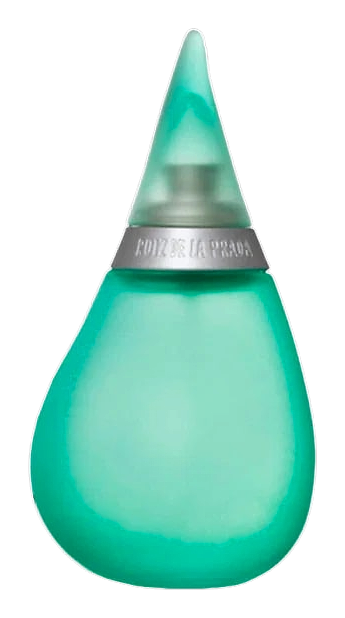
Agua arrived in 2002 from the Spanish designer Agatha Ruiz de la Prada, who built a fashion house known for bright color, oversized hearts, and joyful rebellion. Perfumer Laurent Bruyère built it from a bright citrus opening and a floral-spicy heart, finishing with a woody base that grounds the brightness without dulling it. The composition works because it never loses that sense of movement. The citrus snaps awake on contact, lifting off the skin in a quick burst before settling into something rounder and warmer. Underneath, the floral heart has just enough weight to keep the freshness grounded. The woody base, cedar and patchouli folded into white musk, arrives quietly, adding structure without stealing attention from the liveliness above. The name says it all. Agua. Water.
What's interesting here is the balance Bruyère strikes between the designer's maximalist visual language and the restraint a scent demands. Agua leans into freshness and a kind of olfactory optimism that translates the brand's spirit through structure rather than imitation. Bergamot, mandarin, and lime lead, each one peeled rather than crushed, holding its own character without crowding the others. Then narcissus and jasmine give it heart, both florals treated with a light touch, more suggestion than saturation.
The evolution
The opening belongs to the citrus. Bergamot and lime cut bright across the top, with mandarin adding a rounder sweetness underneath. It's sharp without being sharp. Think squeezed rind, not cleaning product. As the citrus begins to recede, the heart settles in. Narcissus brings a green-honey quality, a soft vegetal sweetness that feels rooted. Lily of the valley softens it, adding a dewy transparency. Coriander adds a peppery lift that keeps the florals from going powdery. Jasmine hides at the edges, warm and inviting. Slowly, the woods arrive. Cedar and patchouli come forward, the white musk wrapping everything in a clean, skin-like veil. Amber adds warmth without weight. What lingers is a quiet woody-musk trace, close to the skin, still recognizable if someone leans in. On fabric, the citrus hangs around longer, almost unnaturally so.
Cultural impact
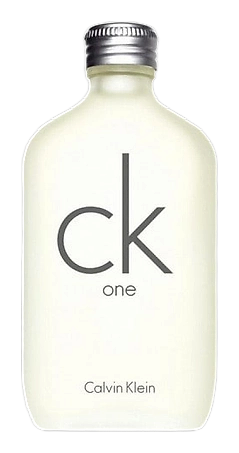
Agua sits in a particular lane: bright, woody-fresh compositions that some community reviewers have compared to CK One. Two reviewers described it as fresher and slightly softer than that reference point, a useful comparison for anyone familiar with the era. The floral-citrus-woods structure makes it easy to wear and hard to pin down to a specific season. It carries the kind of warmth that works year-round in temperate climates, neither too heavy for summer nor too bright for cooler days. The composition stays transparent enough for daytime and holds enough depth for evening.